
After reflecting on more than two decades of involvement in search engine optimization (SEO), I recognize the necessity of continuously updating actionable insights in this era of rapid change.
Change has always been constant, but the accelerated development of artificial intelligence (AI) within SEO presents a particular challenge to keep pace. The Search landscape is marked by uncertainty, and not all advice stands the test of time.
Task lists consistently outpace available resources, demanding careful prioritization and allocation.
So, what strategic SEO insights and practical tips should be prioritized in 2024 and beyond?
1. Conduct audience research alongside keyword research
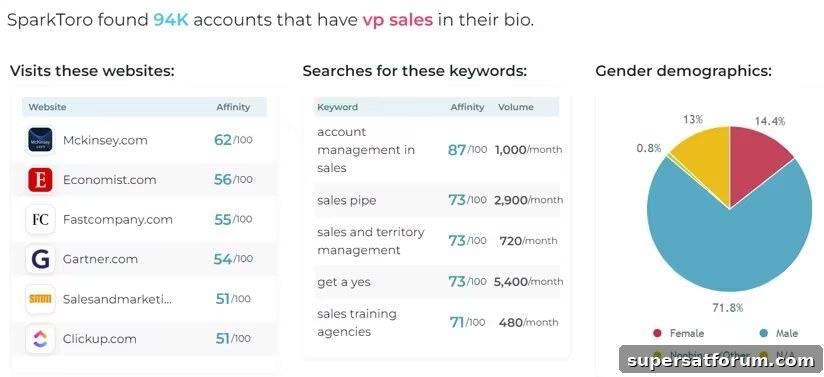
Traditional keyword research tools have been staples since the early 2000s, but the rise of audience-focused tools like SparkToro marks an important shift. Unlike conventional keyword research, modern audience tools provide insights not only into search volumes but also into the demographics, interests and behaviors of searchers. Moving beyond broad keyword optimization to understand specific audience segments is essential in today’s SEO landscape.
2. Analyze search intent
Understanding the user’s intent behind queries is fundamental to delivering relevant results. Advances in language models have improved search engines’ ability to discern intent and distinguish between exploratory and evaluative stages in the user journey. This nuanced understanding enables tailored content strategies that better meet users’ needs.
3. Create tailored content
Segmenting queries into exploratory and evaluative categories helps create content that addresses distinct user segments. By aligning content with specific personas and the stages of their buying journey, SEO professionals can boost engagement and conversions.
Expand on content creation
In today’s content-saturated digital environment, the emphasis is not just on producing more content but on creating content that deeply resonates with the target audience. Beyond demographics and interests, it’s important to explore psychographics and emotional triggers. Incorporating storytelling, interactive formats and multimedia experiences increases engagement and strengthens the connection with users.
4. Emphasize quality content
The importance of quality content is reinforced by search engine algorithms and past updates like Panda. While technology enables faster content production, investing in high-quality, authoritative content is crucial for long-term SEO success.
Addressing content quality
Quality goes beyond surface elements like grammar and formatting to include depth, relevance and value. Thorough research, unique perspectives and actionable insights are key components of high-quality content. Promoting expertise, authoritativeness and trustworthiness (E‑A‑T) through content helps build credibility and establish thought leadership within niches.
5. Evaluate page usability
Factors such as mobile-friendliness and page load speed are essential for improving user experience, which in turn influences search rankings.
Improve the user experience
Beyond technical optimizations, user-centered design principles should guide site development and optimization efforts. Streamlined navigation, accessibility improvements and prioritizing content readability contribute to a seamless experience. Conducting usability tests and collecting user feedback helps identify pain points and inform iterative improvements to overall usability.
6. Understand context and settings
Recognize how user context and search settings affect results. Personalization plays a major role in delivering relevant content, and it’s important to understand how individual settings influence search outcomes.
Leverage personalization
As search engines increasingly prioritize personalized experiences, SEO practitioners should adapt strategies to reflect user preferences and behaviors. Tailoring content recommendations, using location-based targeting and optimizing for voice search are ways to capitalize on personalization trends. Additionally, optimizing metadata and structured data markup can improve visibility and relevance in personalized search results.
7. Prepare for evolving search trends
Anticipating shifts in search dynamics, such as the potential impact of Search Generative Experiences (SGE), is important. While the full implications of these changes may not yet be clear, staying informed and maintaining flexible strategies is wise.
Address new trends
New technologies, including AI and voice search, continue to reshape the search landscape. Keeping up with industry developments, monitoring algorithm updates and committing to continuous learning are essential practices. Encouraging adaptability and agility within SEO strategies enables proactive responses to emerging challenges and opportunities.
Conclusion
When navigating SEO’s dynamic landscape, frameworks like the “70% solution”—making decisions with incomplete information—can be invaluable. Despite uncertainties, maintaining a proactive mindset and focusing on delivering user value remain core principles of effective SEO strategy.
As the saying goes, “Keep calm and carry on” amid the ever-changing SEO environment. By embracing change, prioritizing user-centered practices and fostering innovation, SEO professionals can thrive in a time of continual transformation.