Ransomware is a type of malicious software that locks or encrypts data until a ransom is paid, potentially restoring access to the affected files. This form of malware has increased in recent years, and numerous companies have made headlines after being targeted. What are the real consequences of a ransomware attack, and what steps can organizations take to reduce the impact? In this article we review several ransomware incidents and outline practical measures to limit damage and speed recovery.
Ransomware: Definition, How It Works, and Security Recommendations
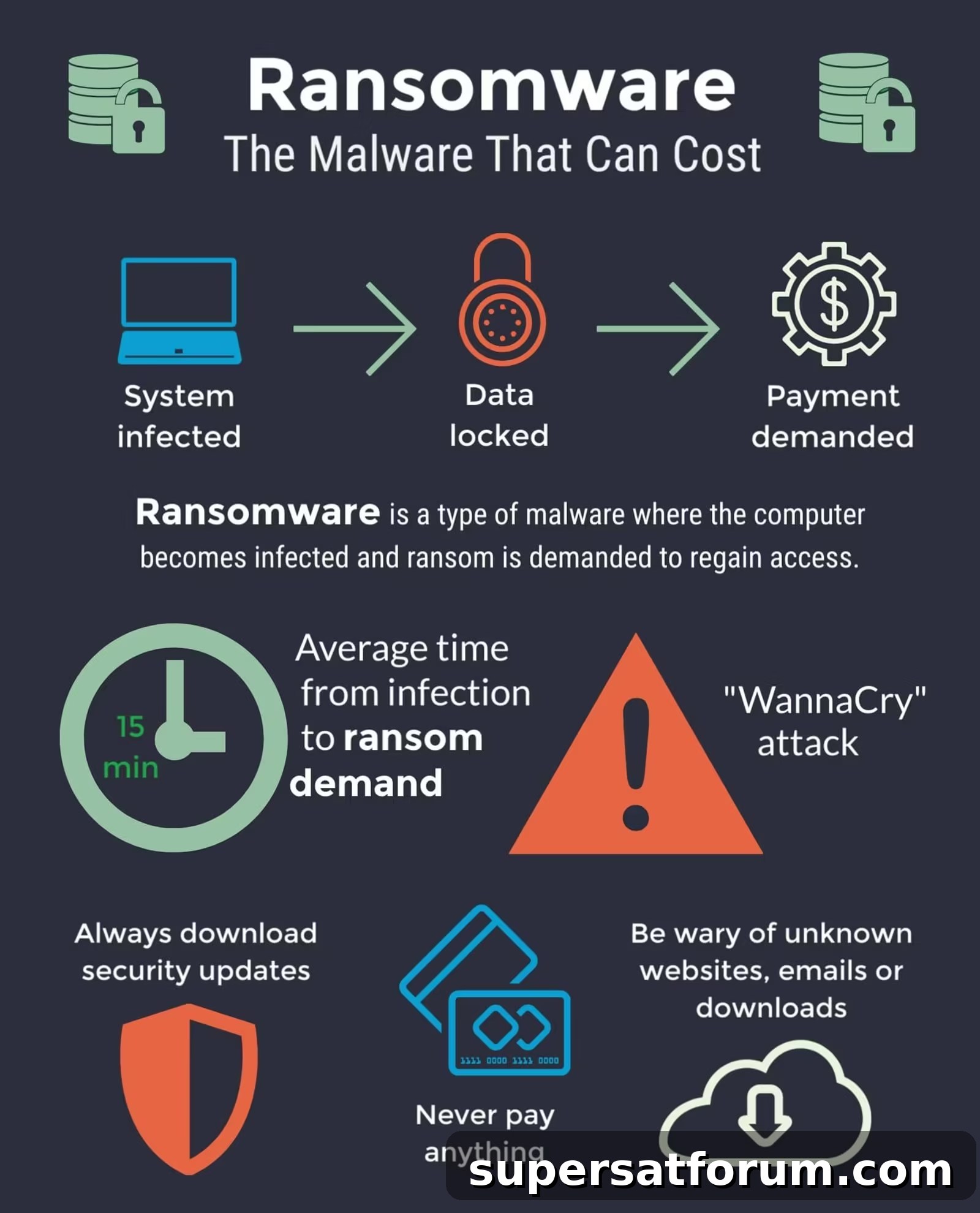
Ransomware is malicious software that infects a victim’s systems and encrypts data, rendering systems unusable and files inaccessible to legitimate users. Attackers typically demand a ransom in exchange for a decryption key or promise to stop publishing stolen information — but paying offers no guarantee the attacker will honor their promise. Effective defenses focus on preventing infection, limiting damage, and ensuring continuity if systems become compromised.
Vestas Data Theft
In November 2021, Danish wind turbine manufacturer Vestas suffered a ransomware attack that forced the company to shut down parts of its IT environment to stop the spread of the incident. Fortunately, operations could continue, but such shutdowns can lead to significant financial losses when business continuity is interrupted.
Later it emerged that roughly 7,000 documents had been stolen during the attack. Some of this data was published and contained personally identifiable information (PII) such as names, addresses, bank details and personal identification numbers. The most serious consequence in this case was not only the temporary loss of availability but the publication of stolen data. Even if IT systems are restored, attackers may have exfiltrated or altered data. In such situations attackers may demand additional ransoms to return data or to refrain from publishing or selling it online.
Critical Systems Locked in Kalix Municipality
Kalix municipality in Sweden was targeted by a ransomware attack in December 2021 that disrupted IT systems for payments and email, and affected heating and ventilation in about a quarter of municipal facilities. Many services were impacted — for example, health centers could not access digital medical records or medication lists.
Unlike the Vestas case, the Kalix incident primarily produced availability and operational impacts rather than widespread data leakage. Disrupted systems affected social functions and everyday services. A comparable incident occurred in July 2021 when a large IT attack forced around 800 Coop stores to close for several days because their payment systems went offline. That incident was tied to a broader global campaign that exploited vulnerabilities in service provider software.
How to Minimize the Impact of a Ransomware Attack
Secure IT/OT Integration
Eliminating all malware risk is unrealistic, but it is critical to protect the most sensitive assets and to ensure operations can continue even during an IT compromise. A secure IT/OT integration helps protect operational technology (OT) systems during ransomware incidents. Historically, OT systems were isolated, but increasing digitalization has tightly coupled IT and OT environments. Because IT and OT share technologies while having different operational needs, integration must be designed to avoid technical conflicts and security gaps.
Physical Separation of IT and OT via Zoning
Segmenting IT and OT into physically separated zones reduces the risk that vulnerabilities or disruptions in IT will affect OT. Physical segmentation — or zoning — uses distinct hardware for IT and OT to avoid cross-contamination from misconfigurations or faults. Proper zone architecture simplifies risk management and limits the blast radius of an incident.
Implementing robust zone separation is a foundational step in strengthening resilience for critical systems.
Use Data Diodes at Zone Boundaries for OT Data Flows
The most secure way to connect an integrity-sensitive network to other systems is to use data diodes. Where OT data flows can be handled through data diodes, security analysis is greatly simplified because data diodes enforce one-way transfers and are inherently easier to validate. Employing data diodes reduces the attack surface and provides a strong assurance that data exfiltration or inbound malware propagation is controlled.
Data diodes are particularly valuable where strict separation and assured one-way communication are required between operational networks and external or corporate systems.
Sanitize Files Before Transfer or Import
Ensure files are sanitized prior to importing them into your network or systems to reduce the risk of introducing malicious content. Automated file screening and multiscanning reduce the likelihood that infected files enter secure environments, speeding detection and improving resilience.
Solutions that combine strict network separation with advanced, automated malware countermeasures allow secure data import into isolated networks without compromising security. These solutions typically employ multiple scanning engines and specialized hardware to enforce separation while enabling necessary data transfers.
Would you like assistance improving your cyber resilience and protecting critical systems? Consider reviewing your IT/OT architecture, implementing physical zoning and data diodes where appropriate, and deploying robust file sanitization tools to minimize exposure and accelerate recovery from ransomware incidents.
Learn more about practical measures to protect your IT environment and reduce risk from cyberattacks.