The UK Space Agency has announced a £50 million fund aimed at accelerating the satellite communications sector across the United Kingdom.
This funding will support a range of projects, from satellite constellations and ground infrastructure to fully integrated end-to-end systems that enhance the nation’s telecoms capabilities in space.
Science Minister George Freeman commented:
“Developing UK space capabilities and maximising commercial opportunities are key to the National Space Strategy, as part of our plans to become a leading power in space and build on a sector already worth £16.5 billion to the UK economy.
We are determined to invest in our world-class satellite technology sector, which is why I committed £1.8 billion for UK participation in ESA programmes over the next five years and recently committed £190 million specifically to participate in international telecommunications missions.
This latest £50 million UK Space Agency funding will help more companies into our vibrant fast-growth UK space telecoms sector, helping drive both growth and wider UK economic resilience.”
The UK hosts many leading organisations and innovative teams in the space industry, including Airbus, Rolls-Royce, Inmarsat, OneWeb, and GKN Aerospace, among others.
More than 26,600 people are employed in the satellite communications industry in the UK, and the sector contributes around £10.4 billion to the national economy. Despite strong capabilities in design and manufacturing, the UK has historically lacked domestic orbital launch capacity, which has constrained some aspects of sector growth.
To address this, seven spaceports are planned to begin operations across the UK over the coming years. These facilities will offer a mix of horizontal and vertical launch options and are proposed at locations including Cornwall, Snowdonia, Prestwick, Sutherland, Argyll, Unst, and North Uist.
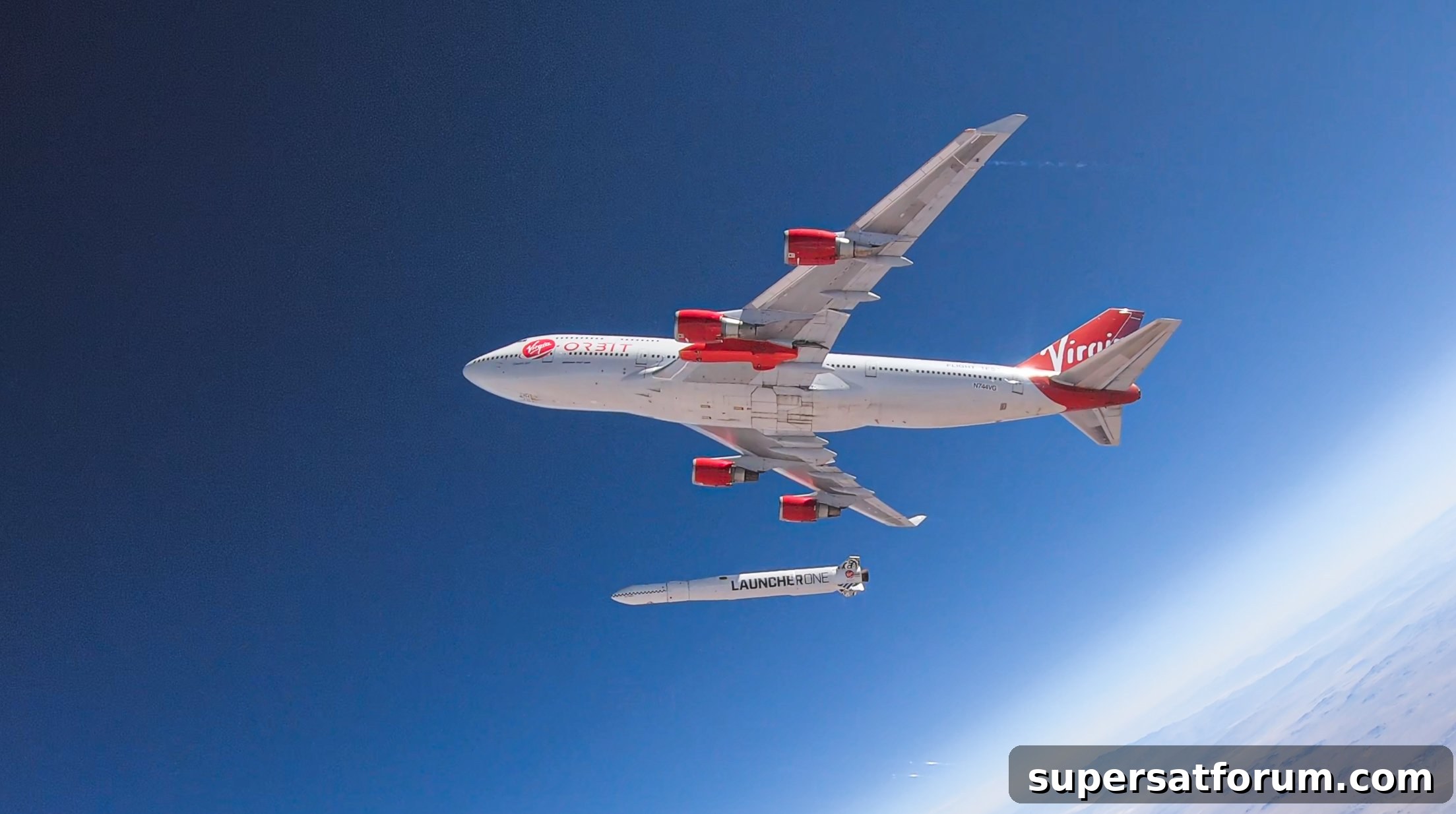
Earlier this month, a launch attempt by Virgin Orbit from Spaceport Cornwall ended in failure. The company successfully released its LauncherOne rocket over the Atlantic, but a problem during the second stage burn prevented the vehicle from reaching the necessary altitude to deploy its payload of nine satellites.
Virgin Orbit plans a second attempt later this year. Meanwhile, other UK spaceports and launch providers are competing to achieve the first successful orbital launch from British soil, a milestone that would be significant for the domestic space ecosystem.
(Image Credit: Virgin Orbit)
Looking to revamp your digital transformation strategy? Find out more about Digital Transformation Week, held in Amsterdam, California, and London, where enterprise leaders and technology experts discuss the latest trends and best practices in digital transformation.
Discover additional enterprise technology events and webinars organised by TechForge through their events listings.