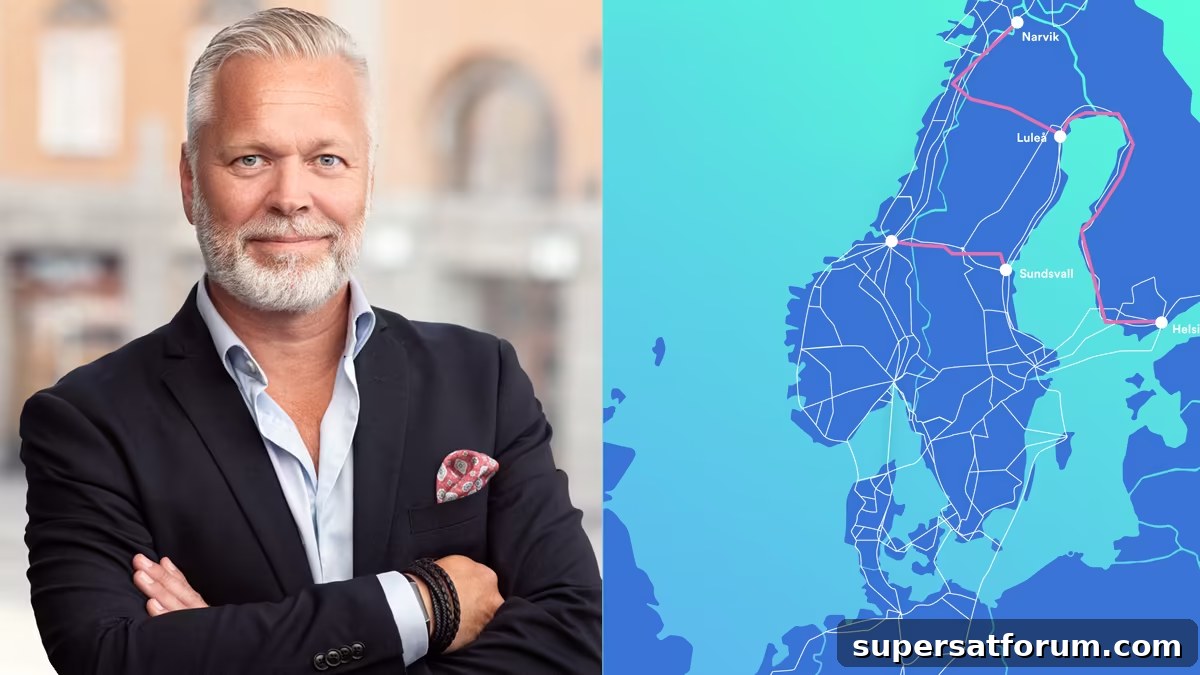
GlobalConnect has completed a major expansion of its digital infrastructure in the northernmost parts of the Nordic region. The project increases regional capacity and creates several new, independent connections between cities such as Luleå, Narvik, Sundsvall, Trondheim and Helsinki, strengthening both stability and resilience across the network.
Multiple new international links have been integrated into the existing network by increasing the capacity of fiber cables and upgrading current routes. This is akin to adding more lanes to a highway without building new roads: more data can be carried faster and with improved reliability.
The expansion is part of GlobalConnect’s long-term digital infrastructure program, Bifrost, which includes upgrades to terrestrial networks and the deployment of new submarine cables in the Baltic Sea and Kattegat.
This effort is especially important for northern Sweden, where industry is rapidly growing in areas such as green energy, data centers and electrification. Those trends create a rising demand for stable, high-capacity international connectivity.

“The region’s digital infrastructure is now being adapted to meet the rapidly growing demand we see across the Nordics. Northern Norway is being strengthened as a robust and strategic hub for international data traffic, including potential future Arctic submarine cable systems such as Polar Connect, while connections southward to larger Nordic cities and onward to Europe’s primary digital hubs are being reinforced,” says Pär Jansson, SVP GlobalConnect Carrier.
By creating additional alternative routes for data, the network’s vulnerability is reduced. If a cable is damaged or requires maintenance, traffic can be rerouted, lowering the risk of service interruptions for businesses, public services and residents.
“This expansion is about scaling capacity and reliability in the network to support long-term industrial and digital development in the region for many years to come,” Jansson adds.
Delivery and scope
The expansion was carried out in four phases:
• Stockholm–Luleå (capacity upgrade) – Q2 2025
• Luleå–Narvik–Alta (new route) – Q4 2025
• Sundsvall–Trondheim (new route) – Q4 2025
• Luleå–Helsinki (new route) – Q4 2025
Taken together, these investments significantly increase capacity and create a more resilient digital infrastructure across northern Sweden, Norway and Finland.
EU support for long-term infrastructure
The expansion is part of the Nordic Wave project, co-financed by the EU through the Connecting Europe Facility and by Norwegian authorities. The EU funding reflects the long-term investments needed to build cross-border digital infrastructure, particularly in sparsely populated areas where reliable connectivity is crucial for regional development.
For Swedish businesses, the enhanced links mean better international connectivity, lower latency and higher reliability—advantages that support cloud services, AI applications and global expansion. Managed service providers (MSPs) in the Nordics will benefit from increased network resilience, more redundant routes and greater capacity, enabling them to offer advanced cloud, security and data center services to customers across the region.
The project also presents broader opportunities and risks. Opportunities include increased investment in data centers and digital services and a stronger Nordic position as a global hub for data traffic. Risks include dependence on physical infrastructure, geopolitical factors and growing demands for cybersecurity as data volumes expand.
Overall, the completed upgrades mark a significant step toward a more connected, reliable and future-ready digital backbone for the northern Nordic countries, reinforcing the region’s strategic role in European and global data routing.