AI as a work colleague is becoming a reality faster than many expect. A new report from Capgemini shows that the use of generative AI at work has increased fivefold over the past two years — and the trend is accelerating. In fact, six out of ten employees expect AI to be an active team member within the next 12 months, either as direct support in their team or as a supervisor of other AI systems.
This shift represents one of the most significant changes to the labor market in decades and places new demands on strategy, leadership, and organizational design.
Challenges as AI becomes a colleague
While the opportunities presented by AI are growing, the report highlights several challenges. Many organizations worry about rising costs, a lack of regulation, and uncertainty about how to implement the technology sustainably. Two-thirds of respondents also say they will need to restructure their teams to enable effective collaboration between people and AI.
AI on the rise in the Nordics and Sweden
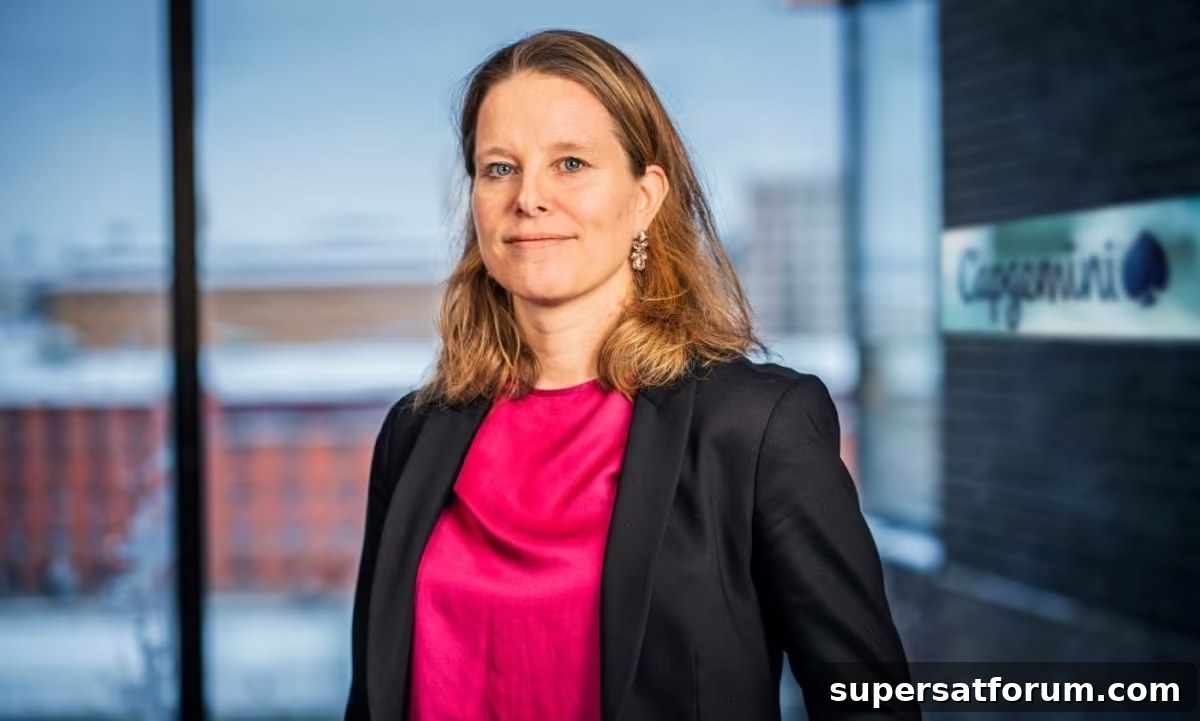
Caroline Segerstéen Runervik, Head of Capgemini Nordics, emphasizes that both development and implementation of generative AI have accelerated significantly in the Swedish market as well.
“We see in the survey that 14% of companies have already implemented AI assistants partially or at scale. What’s particularly notable is that half of the organizations that have adopted AI more broadly are now experimenting with systems where multiple AI assistants collaborate to solve complex tasks. In Sweden, for example, public authorities such as the National Agency for Education have already integrated AI into daily operational work,” she says.
This demonstrates that AI is no longer merely a future prospect but a present reality that is reshaping workflows now.
Risks and unexpected obstacles
The report also reveals unexpected hurdles. More than half of organizations report unexpectedly high cloud costs after their use of generative AI exceeded initial estimates.
Furthermore, fewer than half of organizations have clear rules governing their AI systems — and of those that do, nearly half say the guidelines are rarely followed. This underscores the need for stronger governance and clearer accountability.
Making AI a productive colleague requires strategy
Having AI as a colleague will soon be routine for a majority of employees. But successful implementation requires more than technical capability — it demands well-defined strategies, thoughtful AI architecture, and sustained effort to strike the right balance between human and machine collaboration.