Everyone these days wants a share of the television experience: Apple TV, Roku, Chromecast — the list keeps growing, and for good reason. The living room TV has become a central battleground for technology companies because it’s a valuable platform that’s only beginning to be fully exploited. The trend has moved beyond so-called Smart TVs toward a new reality: manufacturers are becoming smart about how they build and extend the TV experience.
Built‑in, manufacturer‑specific solutions have often fallen short. Consumers expect an experience that is both powerful and portable, and that level of flexibility is difficult to deliver when features are locked into a single TV model. For many users, standalone devices that can be updated and carried between rooms offer a far more attractive proposition.
Over the years there have been several memorable attempts to reimagine the TV as an app platform. Devices such as the Boxee Box generated excitement but ultimately were absorbed or sidelined by larger companies and failed to transform the way people use their largest screen. The core idea — running a thriving app ecosystem on the television — persisted, but widespread success proved elusive.
That initial excitement helped set expectations for the Apple TV: the possibility of an App Store on the TV, combined with the strength of the iOS developer community, suggested a rich future for apps and games on the big screen. Yet for various reasons, that vision didn’t fully materialize in the early generations of the device.
Google picked up the mantle with Chromecast, a compact and affordable streaming dongle that created considerable buzz. For a modest price, Chromecast lets users cast audio and video from Android or iOS devices to the TV, and developers quickly embraced the platform’s straightforward casting model. Its low cost and simplicity made it a mass-market hit, and within a few years Chromecast‑style devices were commonly found in many households.
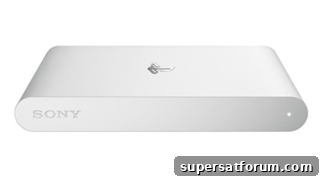
Unlike Chromecast’s single‑purpose streaming approach, Sony’s Vita TV — and similar console‑linked TV extenders — approaches the television as an interactive gaming platform as much as a streaming one. Priced higher than a Chromecast, the Vita TV targets PlayStation owners who want to expand how and where they play. Users can stream games from a home console to another room or play Vita titles on the large screen using a DualShock controller. That kind of flexibility appeals to both casual players and more dedicated gamers.
Television remains primarily an entertainment device, and gaming has become a central pillar of that landscape. The industry now serves a wide spectrum of players, from mobile‑first casual gamers to enthusiasts who demand console‑grade performance and depth. Any TV extender hoping to succeed needs to address these diverse use cases. Chromecast excels at streaming and casting media, but it’s limited in terms of interactive gaming potential. In contrast, devices like the Vita TV are designed with gaming in mind and face fewer restrictions.
One important and often overlooked benefit of console‑to‑TV extenders is their potential to revitalize software libraries. The Vita platform historically suffered from a relatively small selection of high‑profile titles on the handheld, which constrained its appeal. By bringing Vita games to the television without requiring the handheld hardware, manufacturers can make those titles more accessible and attractive to a broader audience. That, in turn, could encourage developers to invest more in creating or porting games to the platform.
This dynamic also changes the competitive landscape for new console alternatives. Low‑cost, open platforms like OUYA once positioned themselves as disruptors in the TV gaming space. But when established brands such as Sony leverage their existing ecosystems — controllers, familiar franchises, and a large installed base — smaller newcomers may face an uphill battle. A well‑executed TV extender backed by a strong developer community and recognizable IP can be a formidable competitor.
Ultimately, the success of any TV extender depends on how well it balances cost, convenience, content, and compatibility. Devices that offer seamless integration with existing consoles and mobile ecosystems, provide an intuitive user experience on the living‑room screen, and make it easy for developers to reach players will stand the best chance of winning broad adoption.
Will Sony’s Vita TV be successful against competing solutions? The answer depends on execution: if it combines affordable pricing, strong software support, easy controller setup, and clear value for existing PlayStation owners, it could become an appealing option for a large segment of gamers. Even if it doesn’t dominate every category, products that treat the television as a versatile entertainment hub — not just a display — are certain to shape how we use our biggest screens in the years ahead.