Schneider Electric warns that Europe’s continued reliance on fossil fuels leaves the region exposed to rising prices and geopolitical disruption. The company is calling for targeted financial incentives to help businesses cut energy use quickly and for reforms to an outdated energy tax system that still favors fossil fuels over clean electricity and efficient energy use.
Schneider Electric urges the EU to accelerate energy efficiency and electrification across Europe — the only scalable and resilient response to ongoing energy price volatility.
With global energy prices expected to rise by about 24 percent this year — the largest increase since 2022 — Europe is particularly vulnerable, with energy costs typically two to four times higher than in other major regions. In this context, Schneider Electric urges policymakers to stop treating energy efficiency and electrification as climate policy “add-ons” and to recognize them as Europe’s only scalable, domestically producible energy resources. Accelerating these measures could free at least 250 billion euros per year through 2040, reduce energy demand and dependence on fossil fuels, and strengthen competitiveness.
Europe’s structural vulnerability is clear: the EU still depends on imports for nearly 60 percent of its energy at a cost of 336.7 billion euros in 2025. This dependence exposes households, industry and public services to volatile global fossil-fuel markets and geopolitical shocks. Schneider Electric argues that efficiency and electrification at the point of use can be deployed quickly, with short payback periods, delivering immediate benefits while accelerating the transition to a stronger, more self-reliant energy system.
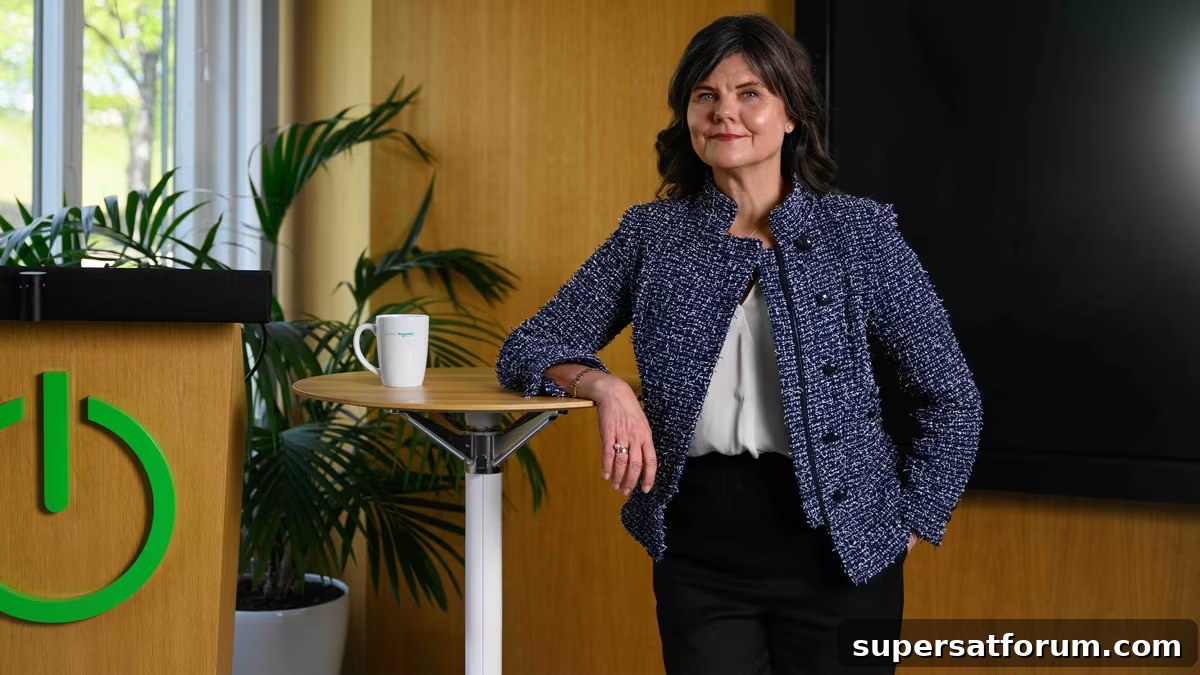
– Sweden has come far toward an almost fossil-free energy system, but we are still strongly affected by developments across Europe. That is why the EU must move from short-term crisis measures to investments that genuinely reduce fossil fuel dependence. Energy efficiency and electrification are two of the fastest ways to boost both competitiveness and resilience in Europe’s energy system, says Anna Andersson, CEO of Schneider Electric Sweden.
Schneider Electric calls on the European Commission and member states to prioritize five policy actions:

1) Deploy cost-effective energy solutions with short payback times
Provide support and incentives that enable companies to scale proven energy-efficiency solutions with rapid returns that cut demand within months.
- Buildings: Interest-free loans to expand connected control systems and improve energy management in buildings, optimizing heating, cooling, ventilation and lighting in real time. These measures lower bills now and prepare buildings for electrified heating and demand-response, potentially reducing EU-wide energy consumption by up to 6 percent.
- Industry: Targeted support, especially for small and medium-sized enterprises, to scale energy-management systems and low- or no-cost measures that can yield savings of up to 30 percent over time and lay the groundwork for digitalized production.
2) Rapidly implement existing EU efficiency and buildings legislation
Fully implement the Energy Efficiency Directive (EED) and the Energy Performance of Buildings Directive (EPBD) to unlock near-term benefits. Key priorities include:
- Deploy building automation and control systems (BACS) under the EPBD, which could deliver annual energy savings of 450 TWh, reduce emissions by 64 Mt CO2 and lower energy bills by 36 billion euros.
- Strengthen EED energy audits by requiring follow-up on recommendations, starting with small and medium-sized enterprises and supported by leasing and finance models such as Energy-as-a-Service.
3) Accelerate electrification with targeted incentives
Although renewable electricity production is rising, much energy use remains non-electrified. As long as people drive petrol cars and heat homes with gas, Europe will be exposed to imported fuel and price volatility.
Faster electrification will integrate renewables more effectively and reduce exposure to fossil-fuel price swings. Europe’s electrification share has stalled at around 21 percent, about ten percentage points behind China where rapid electrification is underway. To accelerate progress we should:
- Scale up heat pumps — which are 3–5 times more efficient than gas burners — aiming for one million installations per year by 2030. This requires measures that lower upfront costs, including options such as social leasing.
- Speed electrification of transport with targeted measures and incentives for corporate fleets to help develop the second-hand electric vehicle market.
4) Use taxation and finance to shift demand toward clean electricity
Make electrification economically attractive by:
- Reducing taxes on electricity (including lowering VAT or excise duties where possible) to shrink the price gap between electricity and gas for consumers.
- Redirecting and simplifying access to public finance to scale efficiency and electrification — including Recovery and Resilience Facility funds and revenues from the ETS.
- Keeping temporary support such as price caps or gas subsidies to a minimum and time-limited, since prolonged subsidies delay investment in clean energy resources.
5) Unlock distributed generation, flexibility and smart grids to cut bills
Remove barriers and create incentives for flexibility, storage and digitalization that smooth peak demand and lower system costs:
- Enable flexibility in buildings and industry through rooftop solar, storage and digital control systems, and support demand-side flexibility.
- Accelerate rollout of higher-quality smart meters with a focus on functionality, real-time access and interoperability — prioritizing large commercial buildings, industry and electric vehicle charging.
- Advance a more digital grid and smarter network planning, supporting grid-enhancing technologies, outcome-based metrics and tariff structures that reward reduced peak demand and grid-aligned usage.
– The call to prioritize energy efficiency and electrification is as relevant today as it was four years ago. The solutions have not changed. Yet Europe has moved from one energy crisis to another without taking the steps needed to protect businesses, households and industry from price shocks and soaring costs. Complacency is Europe’s greatest energy risk. Plans to subsidize energy costs are temporary fixes and insufficient in the long term.

Europe needs structural change: incentives that accelerate uptake of clean technologies so businesses and households permanently change how they use energy. We need policies that promote an energy system built in Europe, for Europe — one that reduces exposure to volatility, enables clean and reliable supply, and ensures Europe remains competitive, says Laurent Bataille, Executive Vice President, Europe Operations at Schneider Electric.
Read more about the five policy proposals in the original briefing.