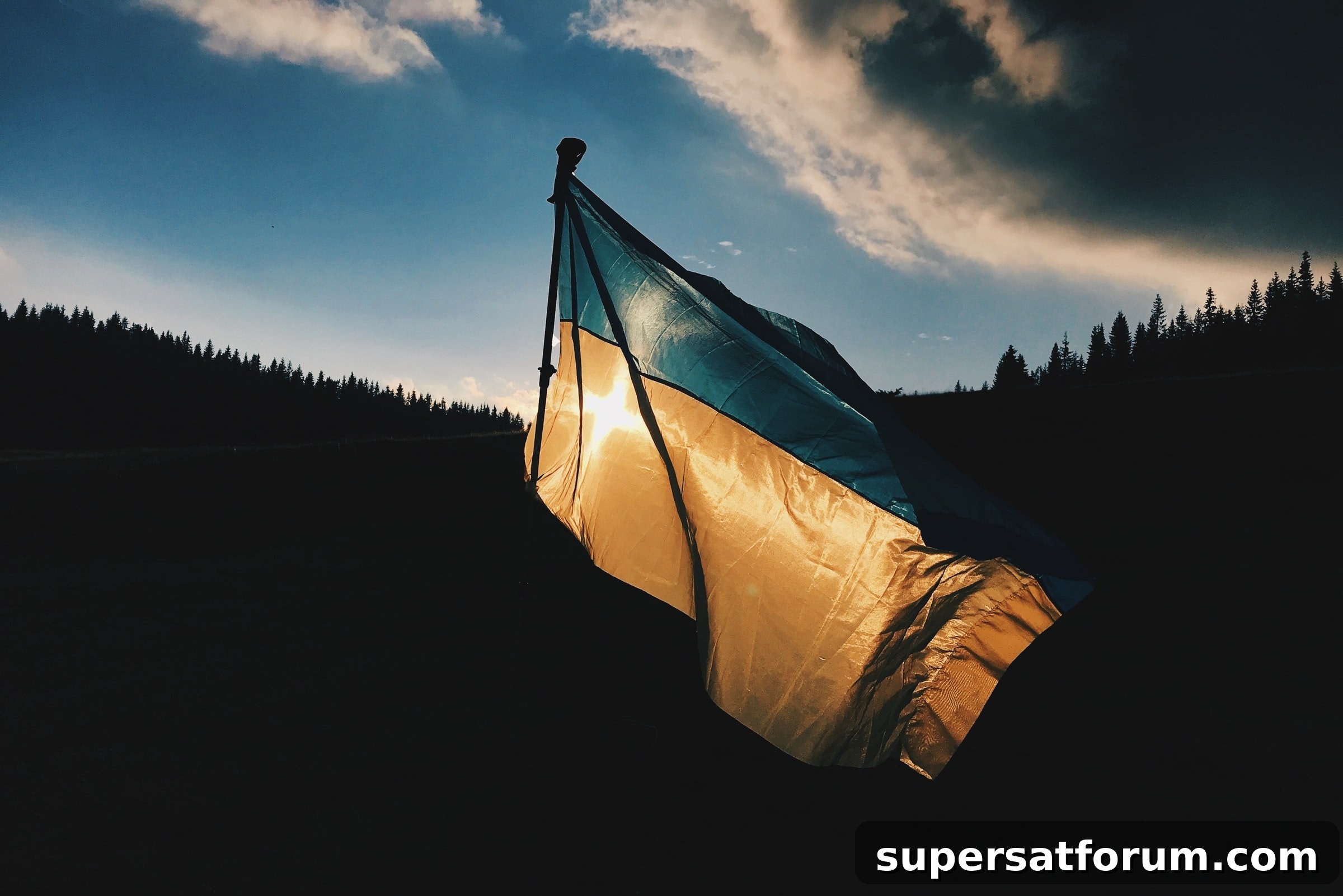
A large cyberattack that defaced multiple Ukrainian government websites warned visitors to “be afraid and expect the worst.” The incident has heightened concerns about digital security as Ukraine continues to face frequent cyber threats suspected to originate from Russian-linked actors, whether state-sponsored or independent groups. Many of these attacks have targeted critical infrastructure, including the power grid.
The message displayed on compromised government pages read: “Ukrainian! All your personal data was uploaded to the public network. All data on the computer is destroyed, it is impossible to restore it.” It continued: “All information about you has become public, be afraid and expect the worst. This is for your past, present and future.”
Ukraine’s foreign ministry said it was too early to publicly attribute the attack, although similar incidents in the past have been linked to Russian actors. The Kremlin has consistently denied responsibility for cyberattacks against Ukraine.
Authorities and cybersecurity experts are treating the intrusion seriously, especially given the broader geopolitical context: more than 100,000 Russian troops and considerable military hardware have been positioned near Ukraine’s border, renewing fears after Russia’s 2014 invasion and annexation of Crimea.
Moscow denies intentions to invade, but it has demanded guarantees from NATO that Ukraine will not join the alliance and that no troops or weapons will be deployed in countries that joined NATO since 1997. Diplomatic talks between Western leaders and Russia this week produced little progress. Russian Deputy Foreign Minister Sergei Ryabkov described the meetings as a “dead-end” and said he saw no reason for immediate follow-up talks.
US Deputy Secretary of State Wendy Sherman cautioned that if Russia abandons diplomacy, it will demonstrate a lack of seriousness about resolving the crisis through negotiation. Ryabkov’s comments contributed to market reactions: the Russian ruble fell more than two percent against the dollar and government bonds sold off. He also did not rule out deploying military infrastructure to countries such as Cuba and Venezuela.
Ahead of the talks, US Secretary of State Antony Blinken said no breakthroughs were expected in “an atmosphere of escalation with a gun to Ukraine’s head.” Moscow maintains it is free to deploy forces within its own territory, while the US and European allies emphasize that other states likewise have sovereign rights to position forces and to enter alliances without third-party vetoes.
The Pentagon has estimated that roughly two-thirds of Russian forces near Ukraine are “out-of-garrison” and have been deployed from other parts of Russia. White House National Security Adviser Jake Sullivan said US intelligence agencies believe Russia may want “the option of fabricating a pretext for an invasion, including through sabotage activities and information operations, by accusing Ukraine of preparing an imminent attack against Russian forces in Eastern Ukraine.”
Michael Carpenter, US Ambassador to the Organization for Security and Co-operation in Europe (OSCE), warned that “the drumbeat of war is sounding loud, and the rhetoric has gotten rather shrill.” Polish Foreign Minister Zbigniew Rau told the 57-nation OSCE that “the risk of war in the OSCE area is now greater than ever before in the last 30 years.”
Washington has rejected Russia’s security demands while expressing willingness to discuss arms control, missile deployments, confidence-building measures, and greater transparency around military exercises as ways to reduce tensions. Russia’s Foreign Minister Sergei Lavrov dismissed US demands as “unacceptable” but did not provide a detailed explanation. The publicly stated Western request has been limited: de-escalation through removing excess troops from Ukraine’s border or offering transparency about exercises and their objectives.
Western governments have prepared a package of severe economic sanctions that could target Russian President Vladimir Putin, senior officials, major financial institutions, and critical technology exports if Russia invades. These measures could restrict exports of smartphones, key aircraft and automotive components, and other industrial technologies. US officials have also indicated an understanding with Germany to halt approval of the Nord Stream 2 gas pipeline to Russia if an invasion occurs.
Senator Bob Menendez, chairman of the Senate Foreign Relations Committee, said the coordinated response aims to make clear that “Putin need not collapse his entire economy nor does he need to sacrifice the lives of his own people in a futile attempt to rewrite the map of Europe.” As diplomatic efforts continue, hopes remain that a breakthrough can be achieved in the coming weeks to avert further escalation.
17/01 update:
Ukrainian officials and cybersecurity firms now say the website defacements may have been a diversion for more destructive cyber activity. Microsoft issued a technical warning reporting evidence of a destructive malware campaign that targeted multiple organizations across Ukraine, spanning government bodies, non-profits, and information technology companies. The company described the operation as destructive in nature and affecting a range of sectors.
Serhiy Demedyuk, deputy secretary of Ukraine’s National Security and Defence Council, told Reuters he believes the defacements were carried out by a group linked to Belarus. That development is concerning because Belarus is an ally of Russia; if Belarusian entities are involved in supporting operations against Ukraine, it could expose Ukraine to additional pressure on its western flank.
(Photo by Max Kukurudziak on Unsplash)
Note: This article does not add new speculative facts beyond official statements and verified technical alerts. The situation remains fluid; authorities and cybersecurity teams continue to investigate the full scope and attribution of the attacks.