
Samsung has recently strengthened its influence within 3GPP, the organization where global mobile standards are defined.
Founded in 1998, 3GPP brings together industry leaders such as Samsung, Apple, Qualcomm, Ericsson, Nokia, and Huawei to develop the technical specifications that underpin 3G, 4G, 5G and the future evolution toward 6G.
The organisation is structured around three Technical Specification Groups (TSGs): Service and System Aspects (SA), Radio Access Network (RAN), and Core Network and Terminals (CT). Each TSG contains multiple Working Groups (WGs) — 15 in total — that focus on detailed technical areas.
The latest development is that several senior Samsung engineers have been elected to key leadership positions within 3GPP.
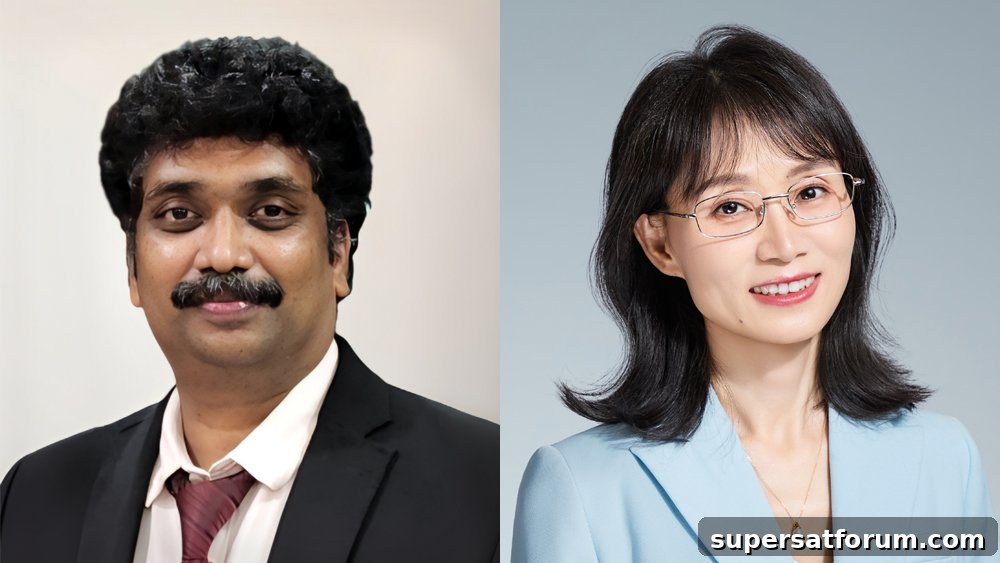
Rajavelsamy Rajadurai, a principal architect at Samsung’s R&D center in Bangalore, India, was elected chair of 3GPP’s Service and System Aspects Working Group 3 (SA WG3). SA WG3 is responsible for defining important aspects of network security and privacy protection.
Lixiang Xu, a principal engineer at Samsung’s R&D Institute in Beijing, China, was chosen as vice chair of 3GPP’s Radio Access Network Working Group 3 (RAN WG3). RAN WG3 focuses on the technology that ensures reliable connections between devices and base stations, including interface protocols and related topics.
Earlier in March, Dr Younsun Kim, a Master at Samsung Research, was appointed chair of the 3GPP Technical Specification Group Radio Access Network (TSG RAN). That role oversees standardisation across wireless technologies, from the physical layer to radio resource management.
With these appointments, Samsung now occupies several influential positions within 3GPP: three key chair roles (including SA WG2, SA WG3, and TSG RAN) and multiple vice-chair roles (SA WG4, SA WG6, RAN WG2, RAN WG3, and CT WG3). These posts give Samsung a stronger voice in shaping global standards.
Why does this matter? 3GPP is preparing to formally begin research into 6G in the second half of 2025, and the working groups where Samsung has increased representation will play central roles in those discussions.
Under Rajadurai’s leadership, SA WG3 will address advanced security measures to counter increasingly sophisticated cyberthreats, including potential future threats from quantum computing, and will explore approaches to better protect user privacy on mobile networks.
RAN WG3, with Xu as vice chair, is expected to investigate how artificial intelligence can be integrated to improve radio access systems. Possible focuses include AI-driven techniques to reduce base station power consumption and to optimize network performance for greater reliability and efficiency—areas likely to be central to 6G development, alongside enhanced security and sustainability.
By placing more of its experts in leadership roles, Samsung is not only participating in 3GPP’s work but helping shape the agenda that will guide future mobile communications. Those positions enable Samsung to collaborate with other industry players and influence how next-generation standards evolve.
See also: SK Telecom server breach raises security concerns over leaked USIM data

Looking to revamp your digital transformation strategy? Information about industry events such as Digital Transformation Week and related expos covering IoT, AI & Big Data, Cyber Security & Cloud, and other technology topics is available from event organizers and industry calendars.
Explore upcoming enterprise technology events and webinars hosted by industry publishers and event platforms to find opportunities for learning and networking.