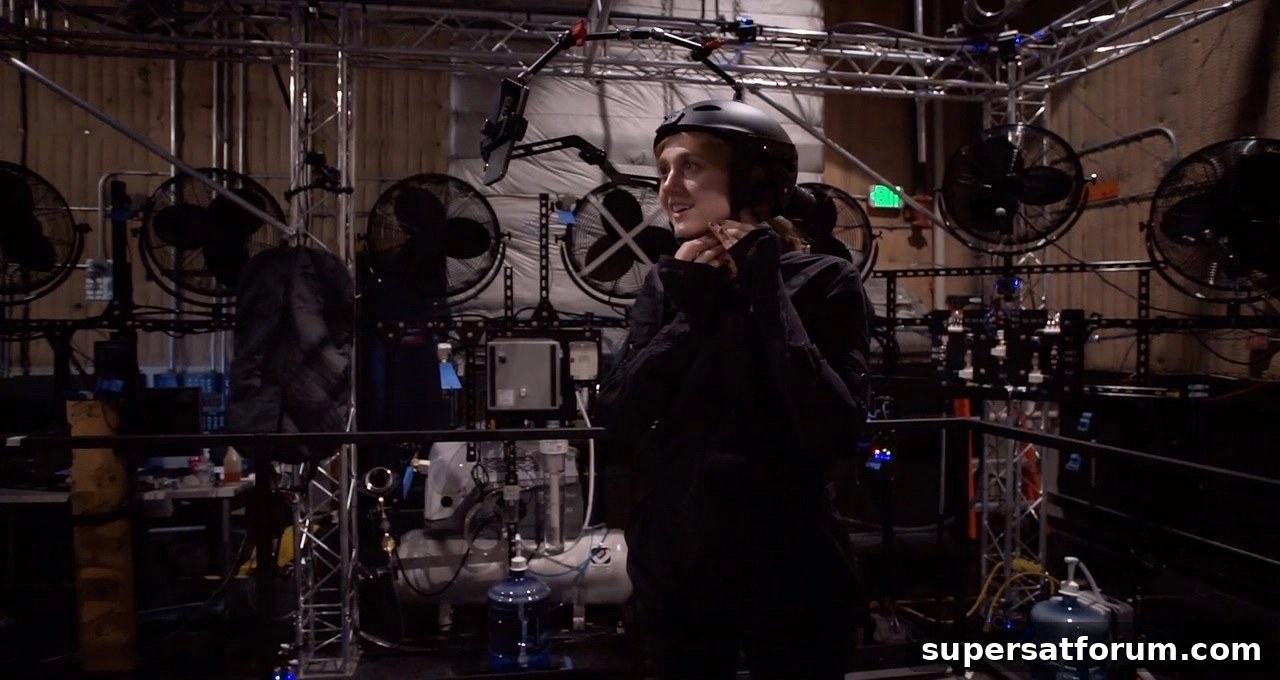
AT&T, Ericsson, and Wevr have teamed up to deliver the first multi-user, location-based virtual reality experience powered by 5G.
Traditional high-end VR requires headsets to be tethered to powerful PCs, driving up costs and restricting user movement. That tethering raises the barrier to entry and limits the immersive potential of virtual experiences.
The partners demonstrated a solution that uses 5G’s high throughput and low latency to remove those limitations and enable untethered, shared VR experiences.
“5G offers the high peak rates required to secure photorealism for XR, and a consistent low latency is key to avoid the risk of users getting dizzy,” said Peter Linder, head of 5G marketing in North America at Ericsson.
Instead of a corded headset, the experience was streamed to Qualcomm XR2 headsets over AT&T’s 5G network. Haptic peripherals allowed players to move through the virtual environment and interact with it, using gestures to wield magical powers and engage with the world.
“When the user’s headset isn’t required to do the heavy lifting, it creates a lighter, more comfortable experience all around,” said Jay Cary, vice president of 5G Ecosystems and Partnerships at AT&T.
“By combining the high throughput and low latency of 5G with edge cloud computing, we can deliver experiences that are more comfortable for fans, more efficient for venue operators, and offer greater creative freedom for developers.”
The demonstration supported up to six simultaneous users within a single 5G cell. Wevr and Dreamscape developed the experience and ran it on a virtualized cluster of Dell EMC PowerEdge servers enabled with NVIDIA CloudXR, using NVIDIA Quadro RTX 8000 GPUs.
“This groundbreaking experience came together with the use of NVIDIA CloudXR and NVIDIA RTX graphics technology,” said Anthony Batt, executive vice president and co‑founder of Wevr.
“CloudXR adapts dynamically to changing network conditions to maximize image quality while minimizing perceived latency. By moving RTX graphics processing to the edge, developers can deliver a higher level of VR experience to users.”
Meta (formerly Facebook) CEO Mark Zuckerberg outlined the company’s pivot toward building the metaverse during the Connect 2021 keynote, noting that many technical pieces must come together to realize that vision. Untethered, high-fidelity VR is widely seen as one of those essential components.
The AT&T, Ericsson, and Wevr demonstration shows that untethered, photorealistic, multi-user VR running over 5G and edge cloud is becoming a practical reality. By reducing hardware burdens on headsets and leveraging edge processing, the approach lowers entry costs and expands the possibilities for location-based entertainment, venue operators, and creators alike.
Find out more about Digital Transformation Week North America, taking place on November 9–10, 2021 — a virtual conference focused on advanced digital transformation strategies for a “digital everything” world.