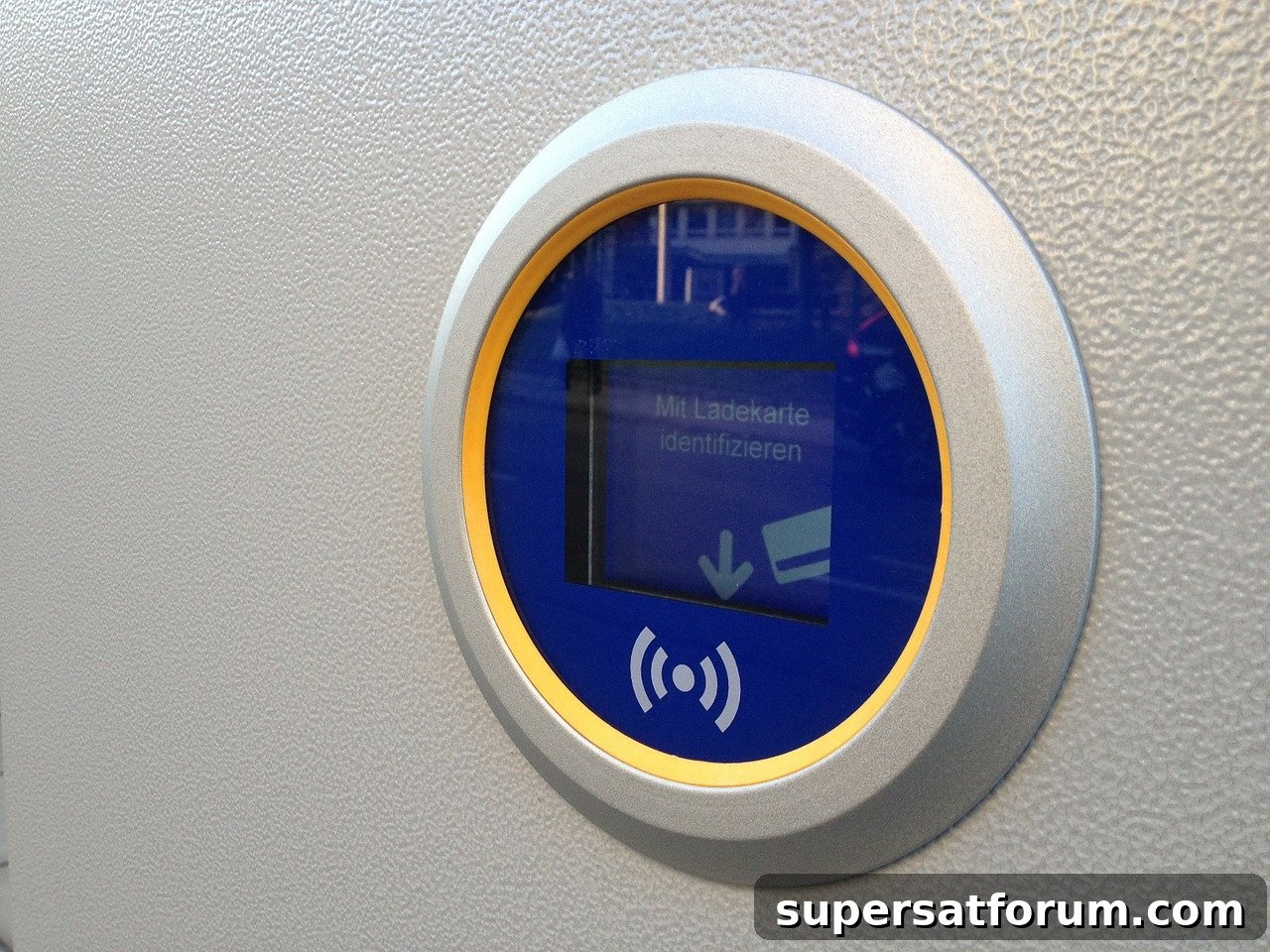
“Near Field Communication” (NFC) is rapidly becoming an important tool in modern business marketing. What is NFC? Simply put, NFC is a standards-based technology that enables short-range, two-way communication between electronic devices. If you’ve ever used a contactless credit card reader at a store or restaurant, you’ve already experienced NFC in action.
Beyond device-to-device exchanges, NFC also works with small, inexpensive tags that expand its commercial uses. As NFC becomes more widespread, businesses are finding increasingly creative ways to integrate it into marketing and operations. Below are seven practical, high-impact ways companies can use NFC.
1) Contactless Payments
Contactless payments were one of the first widespread uses of NFC, and many retailers and service providers have adopted them. NFC speeds up transactions and improves the checkout experience, reducing lines and friction. The concept applies to B2B contexts as well—for example, embedding NFC on printed invoices allows business customers to complete payments quickly with their mobile devices.
2) Promotional Materials
For retailers and venues with physical locations, adding NFC tags to printed marketing materials is simple and effective. Posters, flyers, newsletters and shelf talkers can include an NFC tag that a customer taps with an NFC-enabled phone to unlock offers. Typical content includes discount coupons, bonus loyalty points, event ticket purchases, or exclusive content that encourages immediate engagement.
3) Product Information
NFC tags placed on product displays make it easy for shoppers to access detailed product content. With a tap, customers can read specifications, view how-to guides, find recipes or craft ideas, watch demonstration videos, or see related items. This reduces the need for staff intervention and enhances the in-store browsing experience.
4) Employee Tracking and Task Management
NFC can streamline workforce management on the sales floor. Tags placed in staff areas or at workstations let managers and employees quickly record clock-ins, breaks or task completions by tapping a device. This instant, low-friction method helps managers see who is available to assist customers and monitor task progress without manual record-keeping, improving efficiency and responsiveness.
5) Social Media Check-Ins
Placing NFC tags near entrances or prominent locations allows customers to check in on social media with a simple tap. This organic exposure is valuable for brand visibility and can strengthen customer loyalty. To increase participation, businesses can attach incentives—such as an immediate discount or a loyalty reward—to social check-ins.
6) Efficient Meetings and File Sharing
NFC is useful in meetings where participants need to share documents or contact details quickly. Rather than passing around printed handouts or emailing files, team members can transfer files, links or meeting resources by tapping devices to an NFC tag or to each other. This saves paper, reduces setup time, and ensures everyone has the same materials instantly.
7) Simple Access to Free Wi-Fi
Offering complimentary in-store Wi‑Fi via NFC improves the customer experience while avoiding the hassle of typed passwords. Programmed tags placed at service counters or tables let customers join the network with a single tap, encouraging longer visits and increased engagement with digital services.
NFC has quietly matured into a versatile tool for businesses. The number of NFC-capable phones and devices continues to grow, and although the technology is still evolving, adoption is accelerating across retail, hospitality, events and internal operations. NFC’s greatest advantage is its adaptability—new use cases keep emerging that enhance customer experience, streamline processes, and open fresh marketing opportunities. Do you already use NFC in your business strategy? If so, what results have you seen?