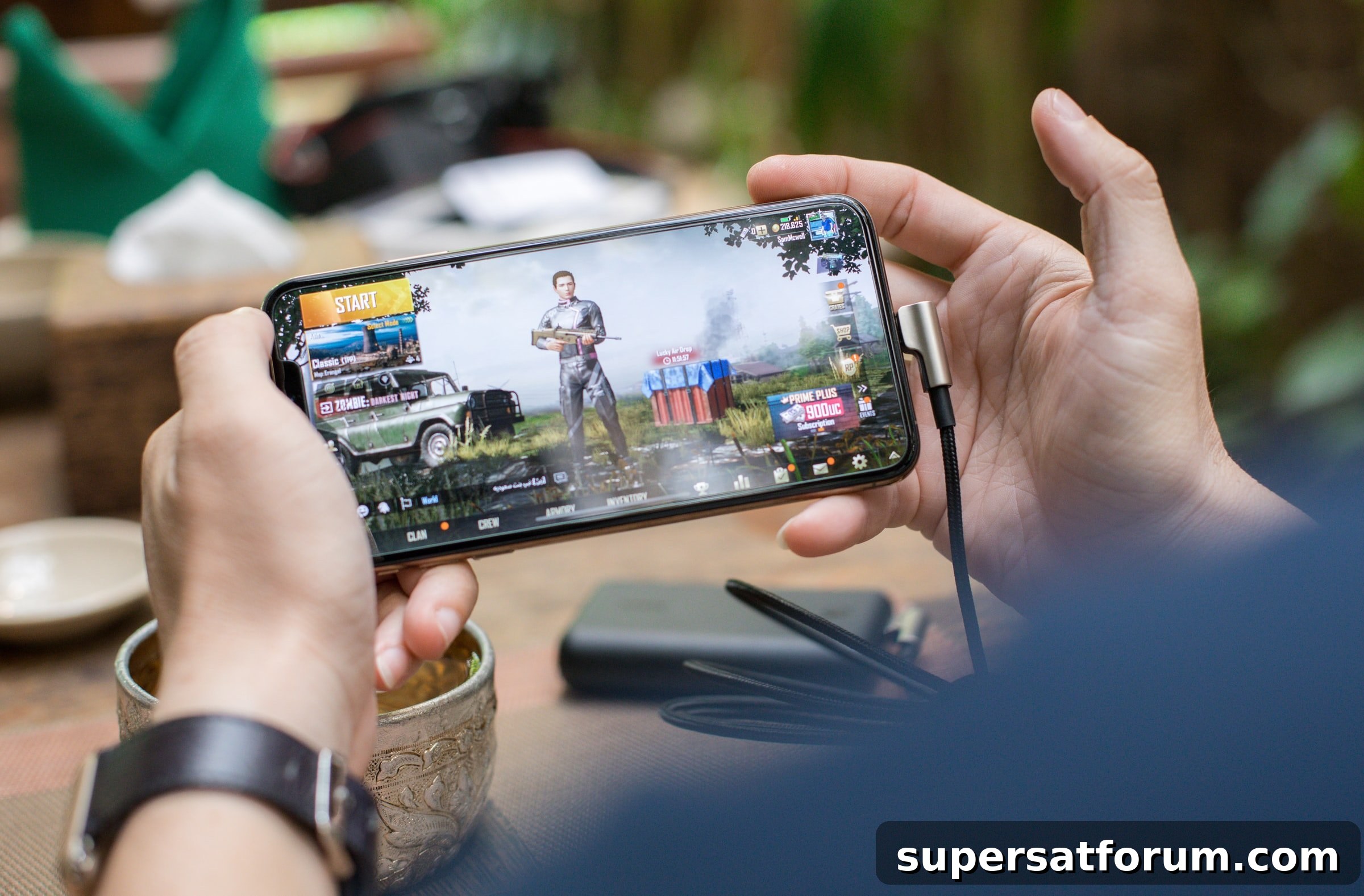
The gaming and esports industries have expanded rapidly in recent years. Platforms like Twitch and Discord let players showcase skills and build communities on a global scale, elevating influencers as central drivers of gamer engagement. For many digital natives, traditional social networks have given way to gaming as the primary way to connect with friends and online communities. The COVID-19 pandemic further accelerated this trend, shifting online behavior in ways that are likely to endure. Gaming is no longer just a pastime; it delivers on-demand entertainment, social connection, and a sense of belonging for millions of players and fans worldwide.
At the same time, many telecommunications providers face shrinking margins and stagnant revenue. Rather than pursuing bold innovation, some operators risk passively watching new and valuable revenue streams be captured by other market players. A cautious “wait and see” approach leaves telcos out of step with what modern consumers expect from their internet services.
A major factor in slowing telco revenue growth has been the rise of over-the-top (OTT) streaming services like YouTube and Netflix. These platforms dominate their markets and retain large, loyal audiences. They achieved strong brand awareness and trust by building emotional connections and meeting the unique preferences of younger and niche demographics.
Despite their success, these OTT platforms seldom share significant profit margins back with the telcos whose networks deliver their content.
Even though subscribers are constantly online—whether gaming, streaming videos, or following esports—most show little loyalty to their internet provider. Many consumers do not associate their ISP with the services and entertainment they value because telcos have rarely given them a reason to care.
Telecom operators invest heavily in building the complex networks that enable OTT services but often see none of the resulting profits. Capturing a share of the booming gaming market is a clear opportunity: global gaming revenue is projected to approach $270 billion by the end of 2025, making gaming one of the most promising use cases to showcase and monetize 5G and other telco infrastructure.
A practical example comes from Sri Lanka Telecom (SLT), which recently launched a dedicated gaming platform in partnership with Swarmio. The platform allows SLT subscribers to form gaming communities, partner for matches, compete in exclusive tournaments with prizes, and create their own events. Moving into this current market helped SLT grow an active, engaged gaming community within its customer base. While many games are free-to-play, publishers typically monetize through in-game purchases. To capture more of that value, SLT is expanding its storefront and supporting multiple payment methods beyond credit cards to better serve diverse audience preferences.
SLT’s gaming platform has become a new revenue source and is strengthening brand loyalty among gamers. Beyond profitability, the initiative gave SLT a way to reconnect with millennials and digital natives, refreshing its brand positioning and modernizing its customer relationships.
All telcos should consider similar moves and stop standing on the sidelines. Although wireless and 5G technologies are progressing rapidly, fiber remains the gold standard for connectivity today. Ownership of the fiber and last-mile wireless infrastructure is a strategic advantage many telcos already control—an advantage even large OTT providers cannot match. Because telcos own the final mile of network access, they are uniquely positioned to capitalize on gaming and related services.
Technology and infrastructure are necessary but not sufficient. Building meaningful, long-term relationships with consumers will be essential to sustain growth. Telcos are well placed to capture the expanding gaming market and become key distributors of gaming experiences. That opportunity won’t wait forever—it’s time for telcos to get in the game.
(Photo by SCREEN POST on Unsplash)
Interested in learning more about 5G and the opportunities it presents from industry leaders? Explore upcoming industry events to hear expert perspectives and case studies from operators, developers, and ecosystem partners.