President Joe Biden returned to Pittsburgh, where his 2020 campaign gained momentum, to unveil an ambitious $2 trillion infrastructure proposal that includes a major commitment to universal broadband access.
Under the eight-year initiative, $100 billion would be allocated to extend high-speed internet service to underserved and unserved communities across rural America.
In a statement, the White House emphasized the administration’s dual focus on building broadband networks and making internet service affordable for all Americans:
“President Biden believes that building out broadband infrastructure isn’t enough. We also must ensure that every American who wants to can afford high-quality and reliable broadband internet.
While the President recognizes that temporary subsidies may be necessary in the short term, he does not view permanent subsidies for overpriced service as a sustainable long-term solution for consumers or taxpayers.
Americans pay too much for internet service—far more than consumers in many other countries—and the President is committed to working with Congress to lower prices, expand adoption in both rural and urban communities, hold providers accountable, and save taxpayer dollars.”
A fact sheet released with the plan noted that more than 30 million Americans live in areas without any broadband access.
“Internet access will have the same dramatic impact on rural communities as rural electrification did in the last century,” Representative James E. Clyburn said earlier this month.
The White House highlighted that many underserved areas are disproportionately home to minority communities, reinforcing a persistent digital divide and compounding existing inequalities.
“Broadband is essential for Americans to perform their jobs, participate fully in education, access health care services, and stay connected,” the White House statement said.
Beyond broadband, the broader infrastructure proposal aims to modernize the nation’s roads, bridges, ports, and waterways. The administration says the “Build Back Better” agenda will create jobs, stimulate economic growth, and help lower carbon emissions.
“The president has a plan to fix the infrastructure of our country,” White House Press Secretary Jen Psaki said. “We currently rank 13th globally, and no one believes we should be there. He has a plan to pay for it.”
To fund the proposal, the administration is proposing reforms to the corporate tax code designed to prevent large corporations from shifting profits and jobs to low-tax jurisdictions and to ensure they contribute their fair share.
In its fact sheet, the White House cited studies showing widespread tax avoidance among profitable corporations:
“A recent study found that 91 Fortune 500 companies paid $0 in federal taxes on U.S. income in 2018. Another study found that the average corporation paid just 8 percent in taxes.
President Biden believes that profitable corporations should not be able to avoid paying their fair share by shifting jobs and profits overseas.”
The administration expects these tax changes and enforcement measures to help finance the infrastructure package.
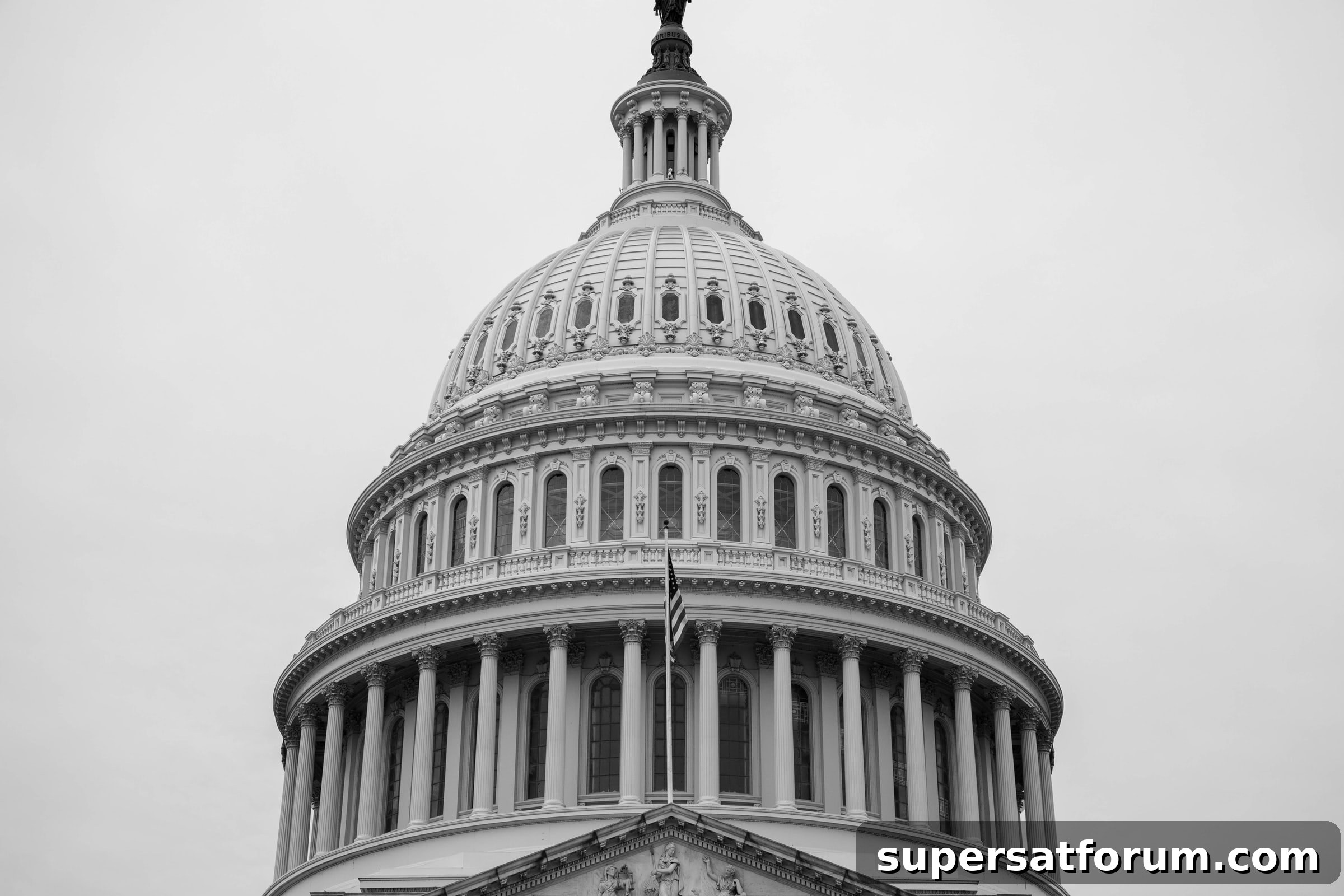
(Photo by Joshua Sukoff on Unsplash)
Interested in hearing industry leaders discuss topics like these? Consider attending co-located events that bring together experts on 5G, IoT, blockchain, AI, big data, and cybersecurity, which are regularly held in major tech hubs such as Silicon Valley, London, and Amsterdam.