
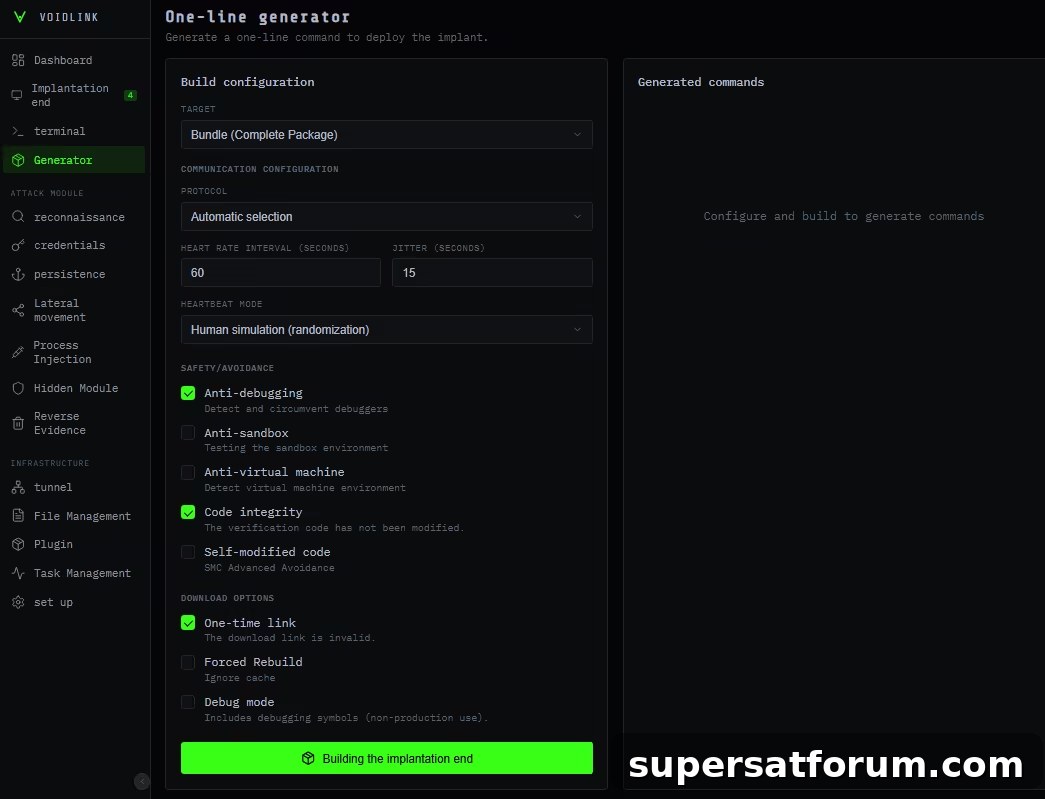
AI-generated malware marks a clear shift in the global threat landscape. Security researchers at Check Point Research have identified VoidLink as one of the first known examples where artificial intelligence was used throughout the entire development process of advanced malware.
Unlike earlier cases where AI was mainly used to produce small code snippets or to tweak existing tools, VoidLink demonstrates a notably higher level of sophistication. Analysis shows that the malware’s structure, logic and functionality are not merely AI-assisted but largely AI-created from the ground up.
AI is rapidly transforming how organizations operate, innovate and compete. At the same time, the same technology is increasingly being exploited by cybercriminals. In its research, Check Point Research explains how VoidLink stands apart from previous examples of AI-based malware due to its speed, flexibility and technical maturity.
What makes this discovery especially striking is the pace of development. Researchers believe VoidLink was most likely built and refined by a single actor using AI at every stage—from planning and architecture to testing and iterative development. What previously required a team of developers and months of work was reduced to days in this case. VoidLink reached a working stage in less than a week.
Although VoidLink was identified early and was not used in active attacks, the finding is a clear signal of where the threat landscape is headed. AI is no longer used only to support code generation; it has become a strategic tool for designing, optimizing and evolving entire attack chains.

This development changes the rules of the game for cybersecurity. As the barrier to creating advanced malware drops sharply, the speed and scale of new cyber threats increase. More actors can now carry out technically sophisticated attacks without the expertise or resources once required.
VoidLink illustrates how the threat landscape is fundamentally evolving, says Fredrik Sandström, security expert at Check Point Software. When individuals can build advanced malware in days rather than months, defenders must adapt as well. Preventive security and early detection become essential.

The discovery underscores the need for security solutions designed for a threat environment where change is exceptionally rapid. Traditional signature-based defenses are no longer sufficient when new variants can be continuously created and modified with AI. Instead, behavioral analysis, real-time threat intelligence and proactive protection models are required.
The rise of AI-generated malware represents a paradigm shift for both attackers and defenders. When artificial intelligence automates planning, coding and testing of malicious software, the pace of threat development increases dramatically. Organizations therefore need continuous monitoring, rapid incident response and a deeper understanding of how AI can be abused in cyberattacks.
As AI continues to advance, knowledge of how attackers employ the technology becomes central to identifying and stopping the next generation of cyber threats before they impact organizations.
Read more on the Check Point blog: https://blog.checkpoint.com/research/voidlink-signals-the-start-of-a-new-era-in-ai-generated-malware/