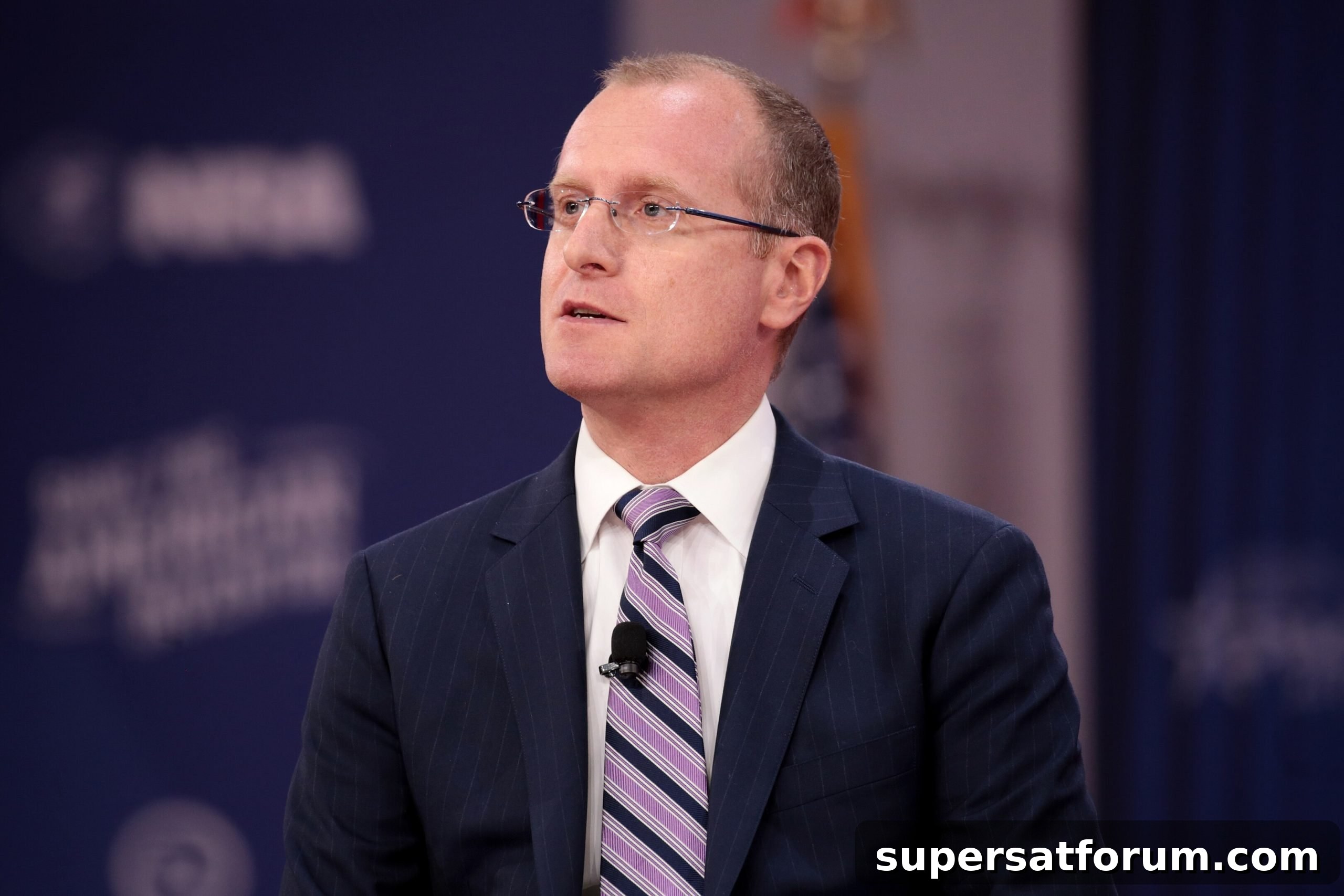
Incoming President Donald Trump has nominated net neutrality critic Brendan Carr to serve as the next FCC chairman. The nomination, which requires Senate confirmation, signals a likely shift in the Federal Communications Commission’s regulatory direction given Carr’s long-standing opposition to net neutrality rules.
Carr is expected to replace Democrat Jessica Rosenworcel, who was first appointed interim chair in January 2021 and later confirmed as permanent chair in October 2021 by President Joe Biden. Rosenworcel’s tenure emphasized consumer protections and an active regulatory role for the FCC, a contrast to the deregulatory outlook Carr has advocated.
In his initial comments after the nomination, Carr outlined how he would lead the agency. “Broadcast media have had the privilege of using a scarce and valuable public resource — our airwaves,” he said. “In turn, they are required by law to operate in the public interest. When the transition is complete, the FCC will enforce this public interest obligation.”
Carr’s approach and philosophy closely mirror those of former Republican FCC chair Ajit Pai. Pai’s administration is best known for repealing the 2015 net neutrality protections, a move Carr supported and which shaped the current debate over how the internet should be regulated.
Congratulations to my friend and former @FCC colleague @BrendanCarrFCC! He was a brilliant advisor and General Counsel and has been a superb Commissioner, and I’m confident he will be a great FCC Chairman. Best wishes leading the agency! pic.twitter.com/3NfD3eX7i8
— Ajit Pai (@AjitPai) November 18, 2024
Carr has argued that strict net neutrality regulations discourage investment and slow innovation in broadband infrastructure. He favors a market-driven model with limited government oversight, saying competition among internet service providers (ISPs) will incentivize better service and pricing. Carr has repeatedly framed net neutrality as an unnecessary regulatory burden, contending that consumer needs can be met through marketplace forces rather than prescriptive rules.
His argument rests on the belief that ISPs will maintain or improve quality to retain customers and compete effectively. Carr asserts that consumers benefit most when they can freely choose among competing providers and when market pressures encourage continual service enhancement. He warns that heavy-handed regulation could reduce competitive incentives and ultimately harm consumers.
Despite opposing net neutrality rules, Carr has called for greater transparency from ISPs and major technology platforms. He proposes clearer disclosures about data practices and service prioritization so consumers understand how their information is used and whether certain services receive preferential treatment. He sees transparency as a key protection for consumers in a less regulated environment.
Carr’s nomination sharpens a broader ideological divide in the United States over internet regulation. Supporters of net neutrality favor rules that prevent ISPs from blocking, throttling, or prioritizing content for payment, arguing that those protections preserve equal access to online information and services. Advocates of deregulation, including Carr, counter that such rules can deter investment and innovation, and that market competition is a better mechanism for protecting consumers.
Not all analysts expect Carr’s appointment to produce sweeping change. Some observers note that recent legal decisions and ongoing court cases have already limited the FCC’s authority in certain areas, suggesting the agency may have reduced regulatory reach regardless of who chairs it.
Carr won’t change the #FCC. Since the #Chevron strikedown the FCC has much less power. It will be further defanged in cases against the Universal Service Fund, which are at the Supreme Court. Carr is a symptom, not the cause #econsky #netneutrality #lawsky #USF
As Carr awaits Senate confirmation, his potential leadership of the FCC is likely to reignite debates about the future of internet regulation in the United States. The outcome will influence the domestic landscape for broadband policy, affect consumer protections, and contribute to the global conversation about balancing innovation, competition, and user rights online.
(Image Credit: Gage Skidmore under CC BY-SA 2.0 license)
See also: Chinese hackers breach telcos in espionage campaign
Looking to revamp your digital transformation strategy? Learn more about Digital Transformation Week events held in Amsterdam, California, and London. The conference series is co-located with IoT Tech Expo, AI & Big Data Expo, Cyber Security & Cloud Expo, and other industry events.
Explore other upcoming enterprise technology events and webinars powered by TechForge.