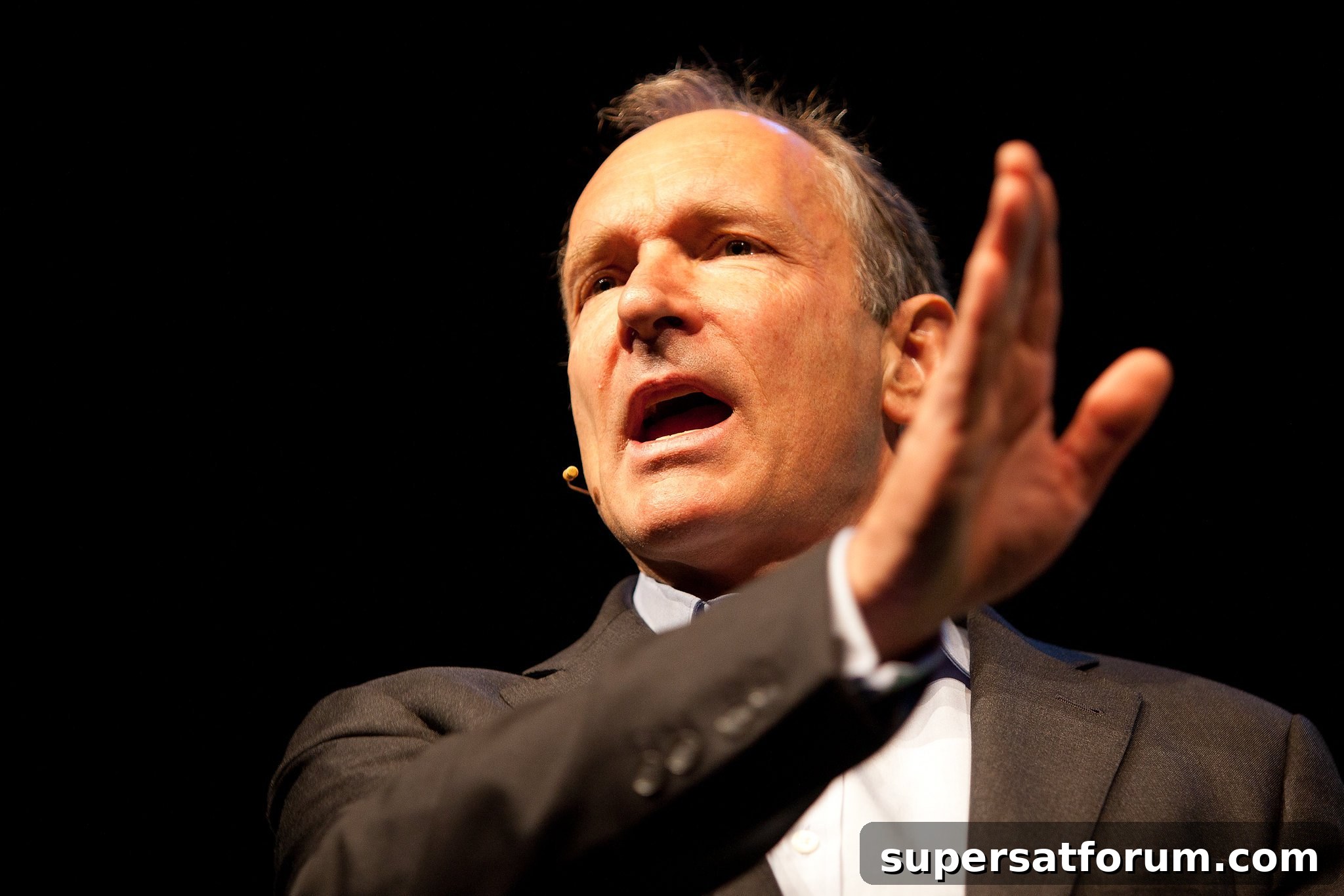
The web is facing serious challenges, and its inventor has proposed a “Contract for the Web” to help restore its health and protect its future.
Sir Tim Berners-Lee, who wrote the original proposal that became the World Wide Web in 1989, has long been recognized for the web’s transformative impact. A panel of 25 leading scientists, academics, writers, and global figures ranked the invention of the World Wide Web as the single most influential cultural moment in a list of 80 that shaped the world. The panel noted: “The fastest-growing communications medium of all time, the internet has changed the shape of modern life forever. We can connect with each other instantly, all over the world.”
While few dispute the web’s profound influence, its openness and safety face mounting pressure. Balancing free expression with protections against hate speech, extremism, misinformation, and unwarranted surveillance has become more complex as online platforms scale across societies and borders.
The Contract for the Web is a set of principles and practical commitments aimed at improving the web’s health. Key aims include:
-
Ensuring affordable, universal access to the internet so everyone can participate.
-
Respecting individuals’ privacy and data rights.
-
Opposing government shutdowns of internet access and defending connectivity during crises.
-
Supporting strong online communities that uphold civil discourse and human dignity.
-
Designing technologies that highlight humanity’s best qualities while curbing harmful uses.
-
Backing creators and collaborators through fair policies and systems.
-
Mobilizing organizations and individuals to actively protect the open web.
The contract was drafted over more than a year with input from technology companies, non-profit organizations, and digital rights groups. Contributors included Google and Microsoft, as well as organizations such as the Web Foundation and Wikimedia. Major platforms including Facebook and Twitter have publicly endorsed the contract, and digital rights groups like the Electronic Frontier Foundation have expressed support as well.
Signatories commit to upholding a free and open web, but the effectiveness of the contract will depend on enforcement and accountability. Some endorsing companies have faced criticism for prior data-handling practices, so observers will be watching whether these principles translate into meaningful, verifiable changes.
Notably, the Wikimedia Foundation, while part of the working group that helped draft the contract and supportive of its principles, has not signed the final document. The Foundation explained that it continues to back the contract’s objectives but has outstanding questions about mechanisms for enforcement and accountability. It remains in discussions with the Web Foundation and other stakeholders and hopes the contract will help foster a web that empowers people to freely participate in knowledge sharing.
Another notable absence among supporters is Amazon, which has not signed the contract. Requests for comment were made to Amazon but no response had been received at the time of publication.
Some signatories have already taken concrete steps aligned with the contract’s goals. Google, Microsoft, and Facebook, for example, run projects to expand affordable internet access to rural and underserved regions. While these initiatives expand connectivity, they also benefit the companies involved, so their motives may include both public-interest and commercial considerations.
One of the most debated areas of the contract is protecting web freedom. Keeping the internet resilient against government shutdowns and censorship is a critical priority, as demonstrated by recent events where authorities restricted access during public protests. At the same time, governments and platforms must weigh privacy and civil liberties against public safety needs—such as opposing warrantless interception of communications—while designing policies that protect people from harm.
The Contract for the Web sets out a framework for multistakeholder action: governments, companies, and civil society each have roles to play. Its success will depend on transparent enforcement, clear accountability, and sustained commitment to the shared goal of an open, accessible, and trustworthy web.
09/12 update: Added the Wikimedia Foundation’s statement explaining why it has not yet signed the Contract for the Web.
(Image credit: Sir Tim Berners-Lee by Jarle Naustvik under CC BY 2.0)