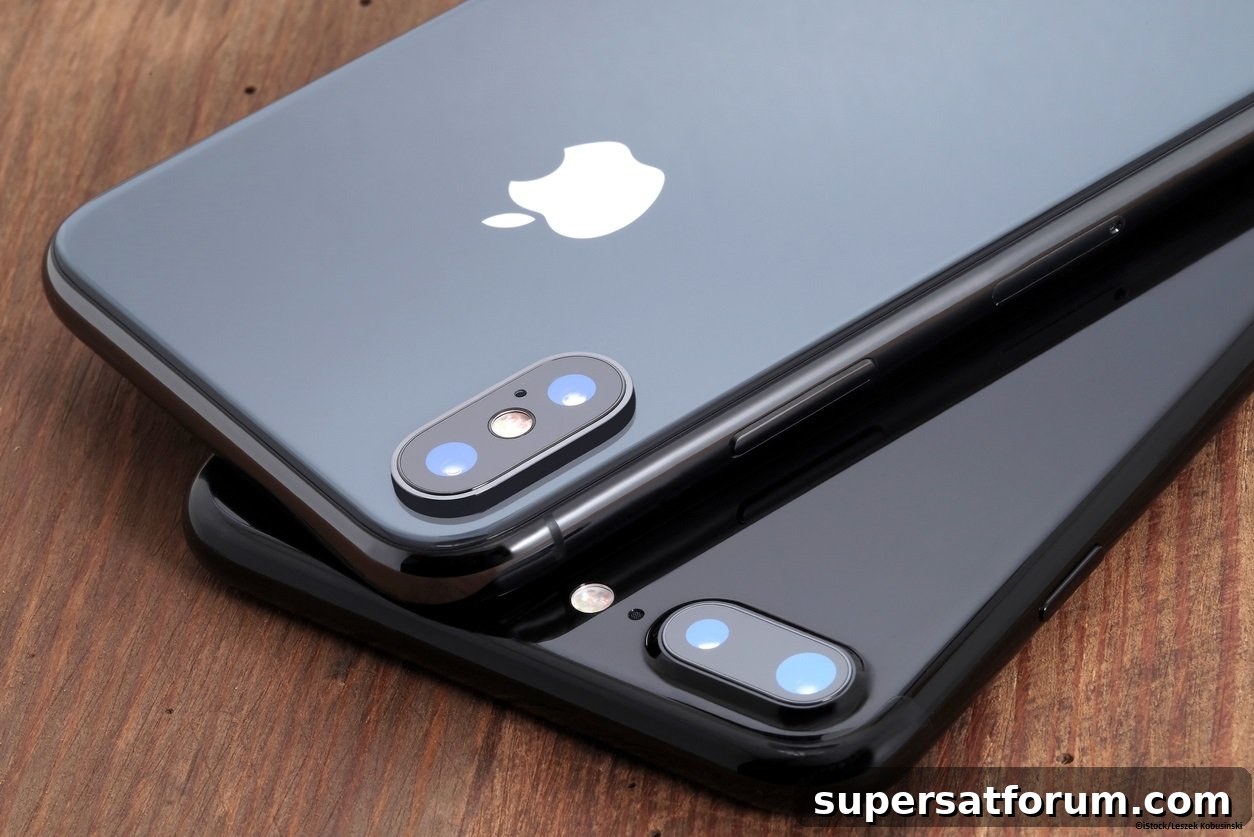
Huawei founder Ren Zhengfei has stated that his company is open to supplying 5G modems for Apple devices, a move that could change the dynamics of the smartphone industry if pursued. While analysts have suggested that a 5G iPhone may not arrive until 2021, pressure from expanding 5G network rollouts and growing consumer demand for compatible handsets is increasing the urgency for Apple to secure reliable modem sources.
Apple’s cautious timeline for adopting 5G does not reflect a lack of strategic foresight but rather the result of prolonged disputes and supply-chain complexities, particularly its legal and commercial conflict with Qualcomm. After shifting from Qualcomm modems to Intel beginning with the iPhone 7, Apple relied on Intel’s roadmap for next-generation modem technology. However, Intel’s 5G modem plans did not align with Apple’s product schedule: Intel did not expect to ship a 5G modem early enough for inclusion in that year’s iPhone lineup.
With Intel unable to deliver on Apple’s timeline, alternative suppliers became critical. Huawei emerged in reports as one company Apple had considered approaching for 5G modem supply. Ren Zhengfei publicly said Huawei would be open to selling 5G modems to Apple, but Huawei’s rotating chairman, Ken Hu, later clarified at the Huawei Analyst Summit in Shenzhen that there had been no direct communications with Apple on this topic.
Apple faces significant geopolitical and regulatory hurdles in considering Huawei as a modem supplier. U.S. government actions and rhetoric have raised concerns about Huawei’s ties to Beijing and the potential national security implications of using its equipment. For Apple, sourcing tens of millions of 5G modems from a company that might be banned or restricted in its largest market would pose substantial commercial risk.
Alternative 5G Modem Suppliers
MediaTek was another potential supplier under consideration, but its first 5G-capable modem, the M70, was scheduled for a late-2019 launch and therefore was not expected to be available in time for that year’s iPhone. That left Samsung as the most viable third-party option capable of delivering a 5G modem on the required schedule.
Samsung already had a 5G chipset ready and was preparing to launch one of the first 5G smartphones, giving it a head start on the market. Nevertheless, Apple has historically been reluctant to source critical components from a direct competitor with a substantial presence in the smartphone market. Internally, Apple weighed these trade-offs, recognizing that partnering with Samsung could undermine Apple’s competitive position or be used as leverage by Samsung in other areas.
Testimony from Apple supply chain executive Tony Blevins in the Qualcomm trial confirmed Apple had explored sourcing options from both Samsung and MediaTek. Blevins described discussions with Samsung as “not an ideal environment” for a supplier relationship, underlining the strategic sensitivities involved.
Beyond choosing a supplier, Apple has taken steps to reduce future dependence on outside modem vendors by expanding its in-house engineering capabilities. Earlier consolidation of Apple’s modem engineering group with its processor team signaled a long-term commitment to develop proprietary modem technology. Building an internal 5G modem solution would give Apple greater control over product roadmaps and reduce the vulnerability that comes from relying on third parties whose strategic interests may not align with Apple’s.
In the shorter term, Apple’s most realistic paths to a 5G iPhone in the near term were settling disputes with Qualcomm or sourcing modems from Samsung. Qualcomm, having been a longstanding supplier of cellular modems for Apple, remained the most familiar and proven partner. Negotiations and legal settlements could remove key barriers to quick modem supply and integration.
Update: Shortly after these discussions surfaced publicly, Apple and Qualcomm reached a settlement that resolved lingering litigation and opened the door for renewed collaboration on modem technology. This development significantly altered the landscape and improved Apple’s ability to ship 5G-capable iPhones on a more competitive timeline.
While Huawei expressed openness to supplying 5G modems to Apple, the combination of geopolitical risk, regulatory scrutiny, and Apple’s preference for diversified and controllable supply chains made other options more likely in the short term. Whether Apple accelerates its internal modem development or continues to rely on third-party partners, the transition to 5G represents a pivotal moment for smartphone suppliers and their relationships with major OEMs.