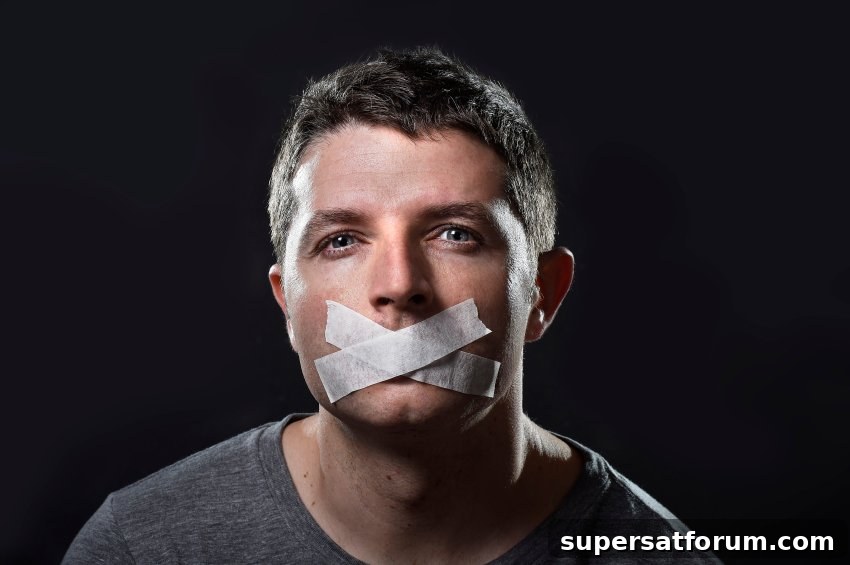
(Image Credit: iStockPhoto/OcusFocus)
After the Charlie Hebdo attacks in France, many around the world rallied behind the magazine’s right to free expression, even if they did not agree with its content. That solidarity—bringing people of diverse backgrounds together in the face of outrage—was heartening. Now, however, proposed surveillance measures threaten to undermine that unity.
Radical groups often form and grow under conditions of oppression. Islam is a major world religion and, for the most part, peaceful; yet historical instances of discrimination and marginalization in countries like France have been exploited by groups such as ISIS to generate fear and recruit followers. This dynamic creates a vicious cycle: attacks produce fear, fear justifies harsher measures, harsher measures can lead to further oppression, and some individuals, feeling alienated, may seek belonging in extremist movements.
Surveillance is a controversial subject on a global scale thanks to whistleblowers such as Edward Snowden and his NSA revelations.
There is no easy answer. Forgoing surveillance entirely risks allowing organized groups with harmful intent to operate without detection. But evidence raises questions about the effectiveness of mass surveillance. A report by the non-profit think tank New America examined 227 people or groups affiliated with Al Qaeda who were charged in the U.S. for terrorism-related crimes since 9/11 and found that only 17 were linked to NSA surveillance programs, and just one case led to a conviction attributable to that surveillance.
Such findings call into question broad, untargeted surveillance as a primary counterterrorism tool. What is needed instead is a measured, transparent debate that balances public security with civil liberties, ensuring that efforts to protect citizens do not erode the free speech and open society those efforts aim to defend.
In France, President François Hollande announced a draft law that would hold internet operators culpable for hosting extremist material, while Interior Minister Bernard Cazeneuve planned to seek the cooperation of major tech CEOs from companies such as Twitter, Microsoft, Google, and Facebook. Making online platforms legally responsible for hosted content risks sweeping enforcement that could stifle speech, and it may also push determined extremists away from public platforms into darker corners of the web where monitoring is far more difficult.
Globally, surveillance remains contentious, particularly in light of disclosures made by Edward Snowden about NSA activities. The Parliamentary Assembly of the Council of Europe has stated that mass digital surveillance constitutes a fundamental threat to human rights. Despite these concerns, some institutions continue to propose expanded data collection measures. For example, reports have surfaced of proposals to require airlines and border agencies to retain passenger data for up to five years—a measure that would affect vast numbers of ordinary travelers and raise significant privacy and oversight questions.
Abstaining from surveillance efforts will allow groups with harmful intent to operate and organise without interruption.
Rather than defaulting to blanket surveillance or unchecked executive powers, democracies should pursue proportional, accountable approaches. That means targeted intelligence operations, robust judicial and parliamentary oversight, clear retention limits, and effective safeguards for individual privacy and human rights. Security and liberty are not mutually exclusive; preserving both requires carefully designed laws and transparent public debate.
Unchecked surveillance can corrode the values that bind societies together, exacerbate mistrust, and deepen divisions at a time when unity and mutual respect are most needed. Authorities must ensure counterterrorism policies protect citizens while upholding the legal and moral principles that sustain free societies.
Do you think more discussion is required around surveillance? Let us know in the comments.