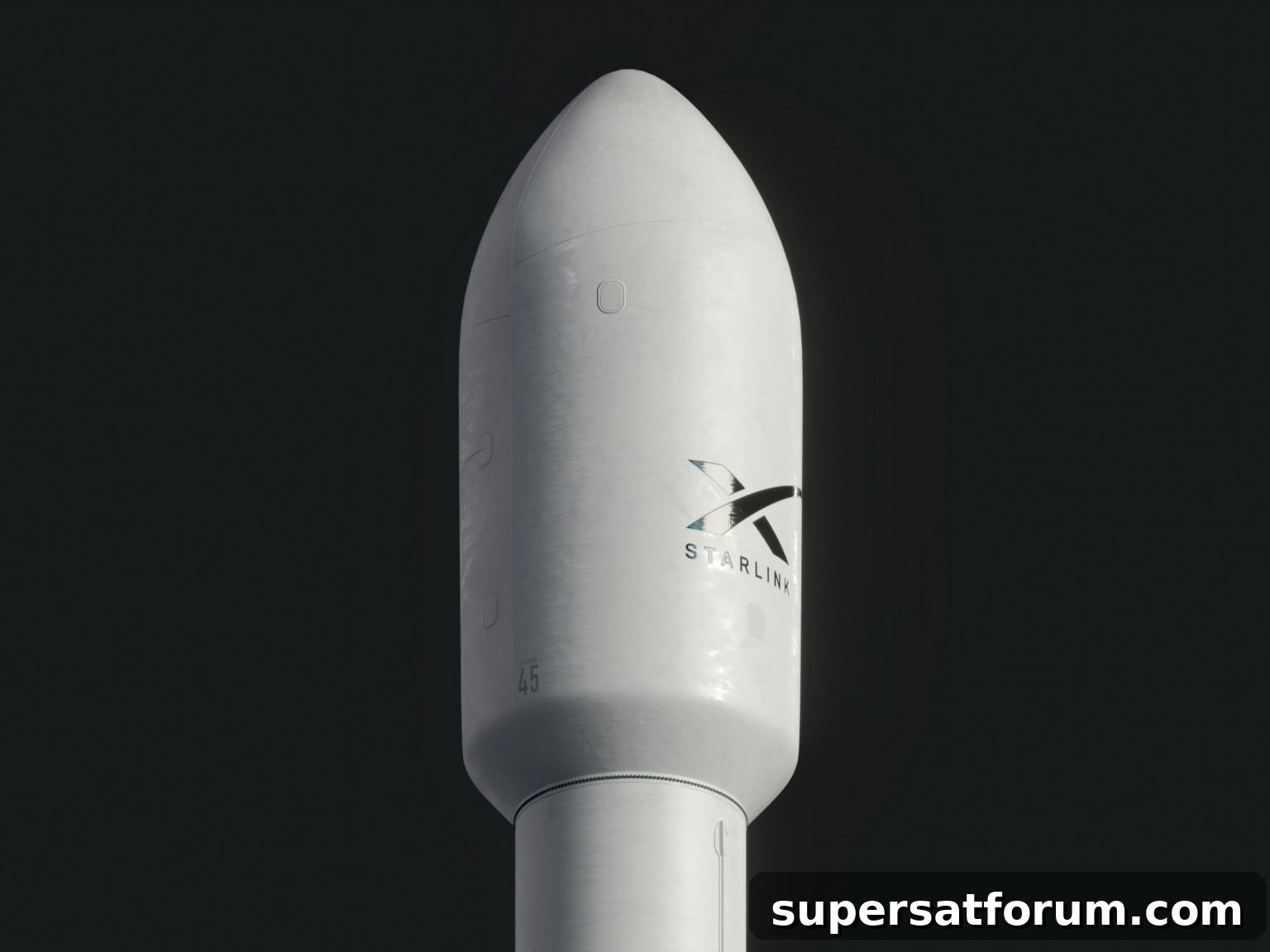
O2 has announced a new multi-year partnership with Starlink Direct-to-Cell to improve enterprise connectivity and link remote assets across the UK.
Many enterprise digital transformation initiatives—particularly those relying on IoT and remote asset management—have been limited by gaps in terrestrial mobile coverage. Industries such as logistics, utilities, construction and agriculture frequently encounter rural “not spots” where building traditional mobile infrastructure is not economically viable. That lack of coverage undermines asset tracking, workforce safety and a range of remote operations.
Virgin Media O2 plans to address these challenges by using Starlink’s satellite-to-mobile technology to extend coverage into areas that previously lacked reliable mobile service. This effort forms part of a broader shift toward hybrid networks that combine terrestrial 4G/5G with low Earth orbit (LEO) satellites to create a more resilient and persistent connectivity layer for business users.
Branded O2 Satellite, the new solution will draw on Starlink’s dedicated Direct-to-Cell constellation. Virgin Media O2 is the first UK operator to make use of Starlink’s system—built around hundreds of LEO satellites—to deliver connectivity directly to devices using a segment of O2’s licensed mobile spectrum.
The initial enterprise-focused service will provide messaging and low-bandwidth data services rather than high-throughput connections. While limited in bandwidth, these capabilities are crucial for many business applications: messaging, mapping and location services that enable remote workforce coordination, asset tracking and lone-worker safety in previously off-grid locations.
For example, a utility operator maintaining remote infrastructure or a logistics company tracking high-value shipments across rural regions will be able to rely on basic but vital connectivity where none existed before.
Lutz Schüler, CEO of Virgin Media O2, said: “Starlink is a clear leader in this space, operating the world’s most advanced satellite constellation, which makes it the right partner to complement our existing coverage and support Virgin Media O2’s ambition to deliver reliable mobile connectivity across the UK.”
This Direct-to-Cell initiative differs from earlier collaborations between the companies. Last year, Virgin Media O2 used Starlink’s broadband satellites for mobile backhaul to support the Shared Rural Network rollout. The new service is based on a separate constellation engineered to communicate directly with devices.
Integration and device compatibility are key considerations for enterprises evaluating the service. O2 Satellite is designed to operate seamlessly in areas without conventional mobile coverage, augmenting the existing O2 network. Starlink’s approach functions like a “cell tower in space,” enabling network integration comparable to that of a standard roaming partner.
Importantly for enterprises, the system is designed to work with existing LTE handsets. That means businesses will not necessarily need to buy specialized or ruggedised satellite hardware for basic messaging and location services, lowering total cost of ownership for fleets and dispersed assets.
However, organisations should plan their deployment timelines carefully: the technology is not yet publicly available. Virgin Media O2 is running internal trials, with a full customer rollout targeted for early 2026. After launch, the operator aims to extend UK landmass coverage to more than 95 percent within 12 months.
Telecoms Minister Liz Lloyd commented: “This partnership demonstrates exactly how private sector innovation can deliver real benefits for people across the UK, supporting our mission to drive growth and ensure no community is left behind. Whether you’re running a farm in Cumbria or hiking in the Cairngorms, you’ll soon have the peace of mind that comes with reliable coverage.”
The Virgin Media O2 and Starlink tie-up highlights the growing role of hybrid connectivity in enterprise networks. Business leaders should reassess digital strategies—particularly in sectors with geographically dispersed assets—to take advantage of persistent, low-level connectivity that enables new classes of applications for asset monitoring, supply chain visibility and workforce safety.
Mike Nicolls, Starlink’s vice president of engineering, said: “This partnership underscores the importance of Starlink Direct-to-Cell’s mission to end mobile dead zones and deliver connectivity in remote areas where it wasn’t possible before.”
By 2026, connectivity maps are likely to change significantly as previously unreachable areas become part of enterprise networks. CTOs and IT leaders should begin planning for a future where basic, reliable connectivity is the norm in many rural locations, unlocking valuable IoT data and enabling safer, more efficient remote operations.
Want to learn more about IoT from industry leaders? Consider attending IoT Tech Expo events held in Amsterdam, California and London to hear industry perspectives on enterprise IoT and connectivity.
Telecoms content is produced by TechForge Media.