Nokia and AT&T have signed an agreement to build a large-scale fiber network across the United States. The deal follows a setback for Nokia in December, when AT&T awarded a major mobile network contract to Ericsson instead.
Under that separate arrangement with Ericsson, AT&T plans to handle roughly 70% of the country’s cellular wireless traffic on the American telecom market by the end of 2026.
After losing the $14 billion, five-year mobile network contract, Nokia shifted its focus toward expanding fiber networking opportunities. Leveraging AT&T’s extensive customer base and fixed-line infrastructure, Nokia’s fiber solutions aim to boost network capacity and raise the quality and reliability of broadband services nationwide.
The fiber deployment will use Nokia’s Lightspan platform, capable of supporting a wide range of next-generation PON technologies from 10G to 100G. That flexibility should give AT&T more options for optimizing its network. In addition, Nokia’s Altiplano Access Controller is expected to automate network and service operations, reducing manual effort and accelerating service delivery.
Chris Sambar, Head of Network at AT&T, emphasized that joint investments in fiber expansion are essential to deliver core connectivity services. He said this buildout will expand broadband access across the US and create a foundation for future digital innovation.
Sandy Motley, President of Fixed Networks at Nokia, said the partnership is focused on connecting more people and businesses. Nokia’s approach—supporting multiple PON technologies on a single platform—helps operators such as AT&T scale existing networks and deploy future fiber broadband capacity more smoothly.
Nokia framed the agreement as a meaningful milestone for the company and a tangible benefit for American households and businesses that will gain improved broadband access. The deal supports AT&T’s large-scale fiber footprint, which reached 27.8 million total fiber locations by the end of Q2 2024.
Nokia’s recent financial results showed a 32% drop in profit. Still, CEO Pekka Lundmark expressed confidence that performance will recover in the second half of the year, citing an improving US fiber market and substantial government programs—such as the multi-billion-dollar initiative to expand high-speed broadband—that are driving investment.
The fiber agreement also meets “Build America, Buy America” requirements, ensuring compatibility with US government funding rules.
In June, Nokia expanded its optical networking capabilities by acquiring Infinera, a US-based vendor, for $2.3 billion—an acquisition intended to help Nokia capture demand from AI-driven growth in data center and network infrastructure investments.
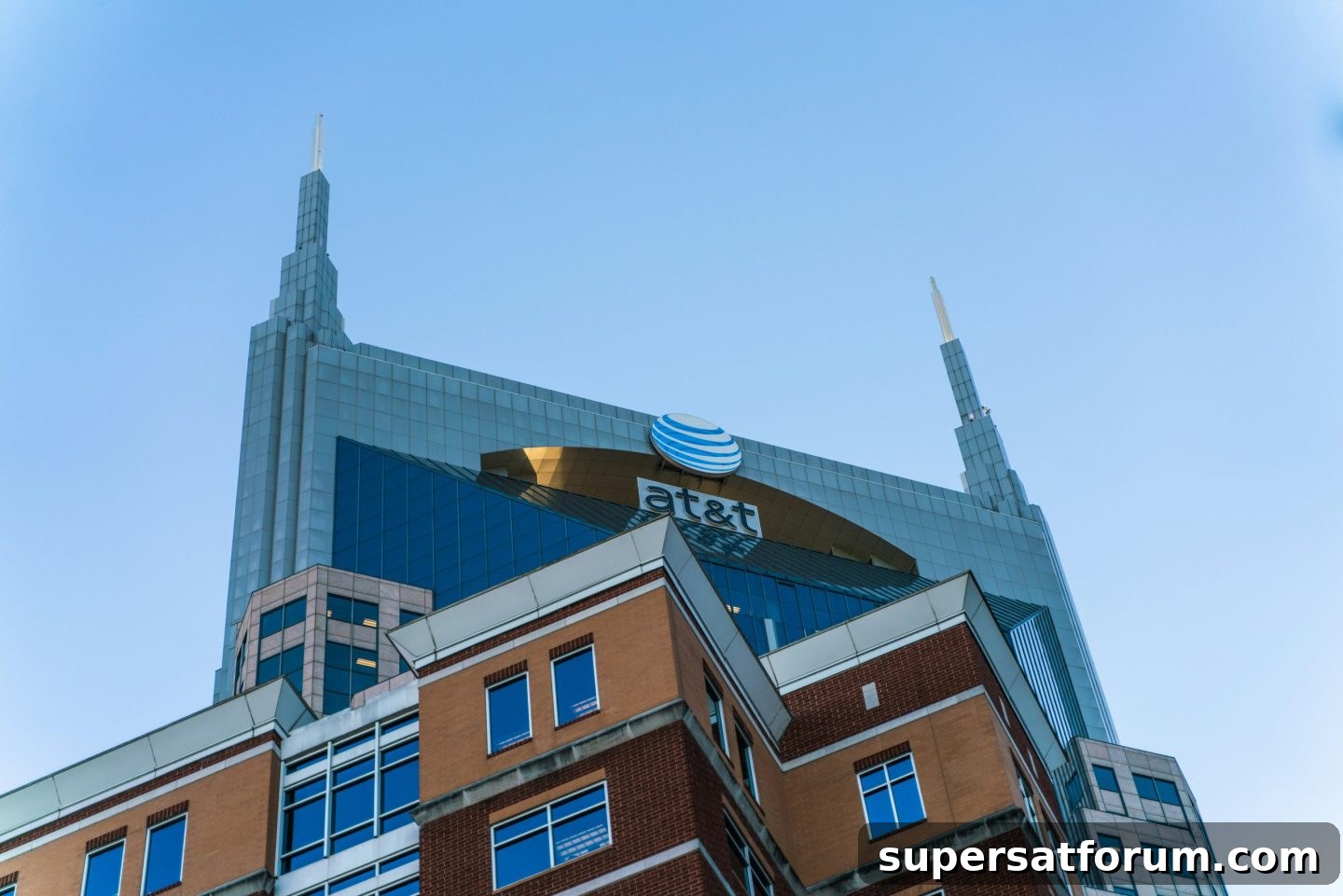
(Photo by Brendan Stephens)
See also: No deal: Nokia denies mobile networks business sale to Samsung
Unified Communications is a two-day event in California, London, and Amsterdam that explores the future of workplace collaboration in a digital world. The conference is co-located with several related events covering digital transformation, IoT, edge computing, intelligent automation, AI and big data, and cybersecurity and cloud technologies.
Discover other upcoming enterprise technology events and webinars powered by TechForge.