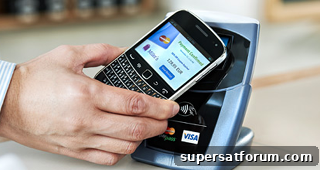
The latest research from Juniper predicts that mobile commerce transactions will reach an astonishing $3.2 trillion by 2017, driven largely by mobile banking and payment services.
Viewed in the broader context of global financial activity, that figure can seem modest: in the United States alone, the total value of financial transactions in 2012 exceeded $4,400 trillion.
Still, the rapid adoption of NFC-enabled devices and the widespread availability of convenient online payment services such as PayPal make a dramatic rise in mobile commerce easy to envision.
Major mobile platforms already include digital wallet capabilities. Google Wallet and Windows Phone Wallet are notable examples. One conspicuous absence, however, has been Apple’s full participation in the mobile payments market.
Apple introduced Passbook with iOS 6; at present, its primary function is to present QR, Aztec, and PDF417 codes at appropriate locations or times—for example, showing a boarding pass at the airport to streamline check-in.
Speculation has suggested that future iPhone models could incorporate NFC hardware and a fingerprint sensor. If these features arrive, Passbook would likely be enhanced to take advantage of them, and banks and retailers may be more willing to support Apple’s payment ecosystem because of the added security such technologies could provide.
According to comScore data for April, Google holds approximately 52% of the U.S. smartphone market while Apple accounts for about 39.2%, together representing over 91% of the market.
When Apple fully engages in mobile payments alongside Google, mCommerce adoption is likely to accelerate significantly.
Do you think mobile transactions will continue to grow and become an everyday part of how we pay?