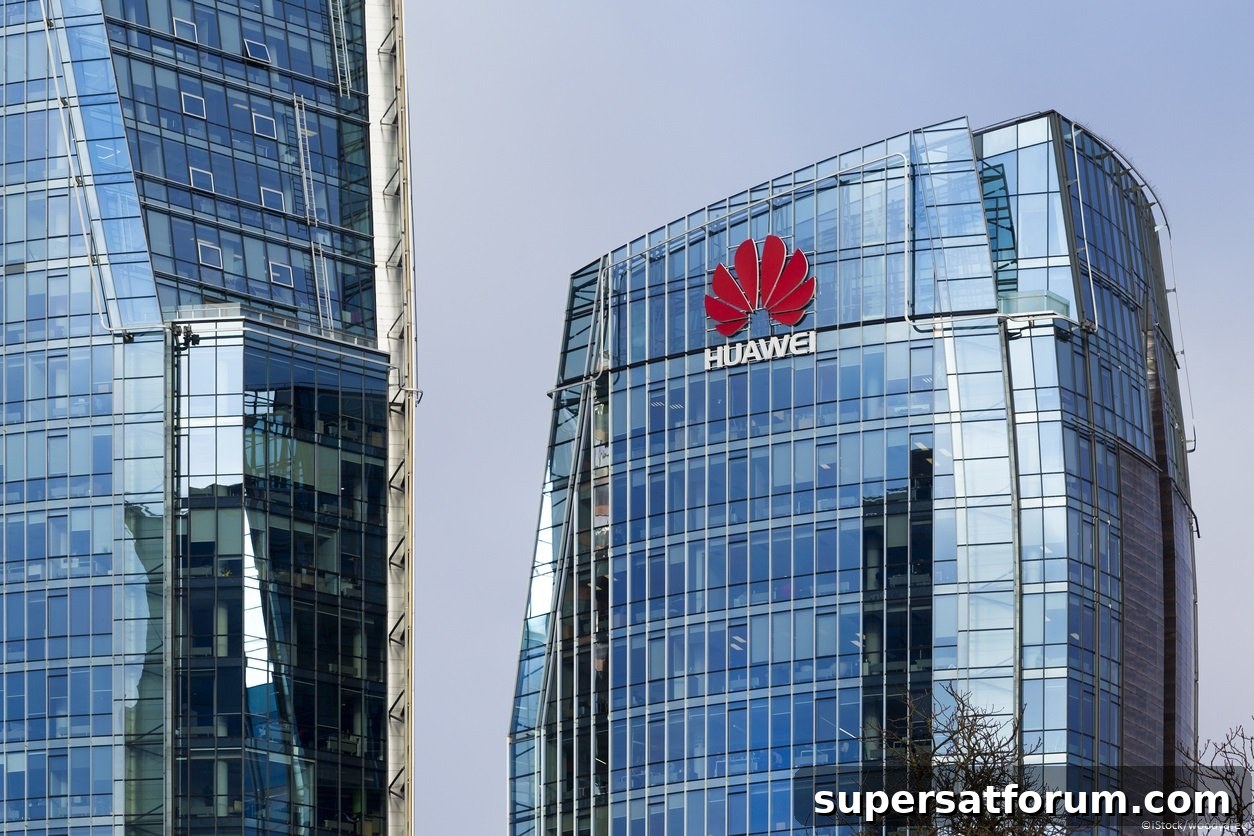
Huawei founder Ren Zhengfei held a rare press conference to address mounting security concerns about the company.
Zhengfei, who had not spoken to foreign media in a press conference since 2015, broke his silence to respond to accusations that Huawei conducts espionage on behalf of the Chinese government.
Critics argue that Huawei could hand over sensitive data to Chinese authorities upon request, and some claim the company is legally obligated to comply. Huawei has consistently denied that any such legal duty exists.
Zhengfei stated that Huawei has “never received any request from any government to provide improper information.” He added: “I love my country, I support the Communist Party, but I will not do anything to harm the world.”
Many concerns stem from Zhengfei’s high-ranking service in the People’s Liberation Army before founding Huawei. While countries continued to use Huawei equipment in previous-generation networks, the stakes rise significantly with the broader deployment of 5G.
Backdrop of 5G concerns
5G networks are expected to support a wide range of critical applications, including smart city infrastructure, autonomous vehicles, and remote medical procedures. These use cases require a high level of trust that equipment vendors will not engage in espionage or disable networks when asked.
Some countries, such as the United States and Australia, have judged the risks unacceptable and restricted Huawei equipment. Other nations, including the United Kingdom and Canada, have taken a more cautious approach by subjecting equipment to national security inspections for potential backdoors. Several countries are still deciding their positions.
Telecommunications vendors are competing fiercely for lucrative 5G contracts, so it is unsurprising that Huawei has made concerted efforts to reassure governments and regulators it does not pose a threat.
Huawei has argued that conducting espionage would be self-defeating: if the company were caught, the consequences would be catastrophic for its business.
Huawei employee arrests
Earlier this month, Polish authorities arrested Wang Weijing, a Huawei employee, on spying allegations. Poland’s Internal Security Agency said the accusations related to individual actions and were not directly linked to Huawei as a company.
Huawei dismissed Wang, citing terms of the company’s labor contract and stating the incident had brought the company into disrepute.
In a separate high-profile case, Meng Wanzhou, Huawei’s Chief Financial Officer and Ren Zhengfei’s daughter, was arrested in Canada last month on charges tied to alleged violations of U.S. sanctions on Iran and accusations that she and the company misled banks about Huawei’s relationship with a subsidiary.
‘Groundless fabrications’
Hua Chunying, spokeswoman for China’s Ministry of Foreign Affairs, said allegations that Chinese companies pose security threats are being used to suppress their growth. She accused the United States of urging allies to ban Huawei equipment and of incentivizing the use of Western alternatives.
“We urge relevant parties to cease the groundless fabrications and unreasonable restrictions toward Huawei and other Chinese companies, and create a fair, good and just environment for mutual investment and normal cooperation by both sides’ companies,” she said.
Hua warned that using security concerns as a pretext to block cooperation with Chinese firms would ultimately harm the interests of those countries.
Canadian security officials, explaining their decision not to impose an outright ban on Huawei, have argued that excluding vendors reduces diversity in 5G supply chains and can increase vulnerability. If one manufacturer’s equipment is compromised, a more diversified vendor base dilutes the impact.
Some analysts contend that Chinese network equipment, including Huawei’s, is at least a year ahead of Western competitors in certain areas, and Huawei is recognized for strengths like MIMO antenna technology. Restricting competition can drive up costs for operators and slow innovation, leaving networks more expensive and potentially less capable.
Zhengfei said Huawei is pursuing greater transparency to ease global concerns. Meanwhile, he noted the company will continue selling equipment in markets willing to deploy it, creating examples that Huawei hopes will demonstrate its trustworthiness.
Interested in hearing industry leaders discuss topics like this and sharing their experiences? Attend the Cyber Security & Cloud Expo World Series, which hosts events in Silicon Valley, London, and Amsterdam, to learn more.