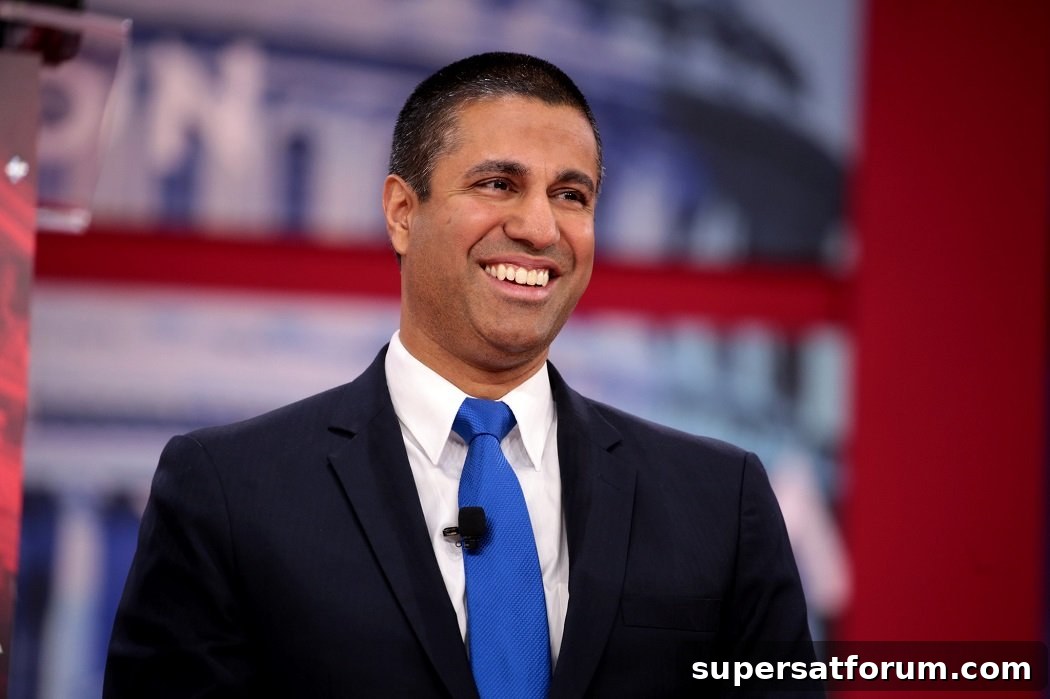
A proposed merger between T-Mobile and Sprint moved closer to becoming reality after FCC Chairman Ajit Pai publicly supported the deal.
The $26.5 billion transaction would combine the two carriers into an operator with a subscriber base comparable to AT&T and Verizon. As the race to deploy 5G accelerates, both companies argue that a merged business would be more competitive and better positioned to accelerate nationwide 5G rollouts.
Critics worry that reducing the major national wireless providers to three would lessen competition, potentially raising prices for consumers and weakening incentives to innovate. Those concerns have driven regulatory scrutiny and demands for conditions to protect consumers and competition.
Addressing Concerns
One mitigation proposal calls for a temporary freeze on consumer prices following the merger. T-Mobile CEO John Legere opposed extending a proposed three-year price freeze to four or five years during testimony before the House Judiciary Committee. By comparison, AT&T agreed to a seven-year price freeze as part of conditions tied to its acquisition of Time Warner.
To gain regulatory approval, T-Mobile also promised that the combined company would challenge the dominant position of cable broadband providers and invest in improving rural broadband access. The FCC has prioritized expanding high-speed internet to underserved areas, and T-Mobile says the combined network would enable broader deployment of 5G-based home broadband alternatives.
Congress has allocated $600 million for the ReConnect Program, aimed at extending broadband to rural communities. In regulatory filings, T-Mobile acknowledged that neither it nor Sprint alone could reliably deliver a nationwide 5G home broadband option, arguing the merger would create the scale necessary to pursue those goals effectively.
These commitments were central to winning Chairman Pai’s endorsement. He cited the companies’ pledges to expand mobile internet access in rural areas and accelerate 5G deployment as reasons for his support.
Hurdles Remain
Despite Pai’s backing, the deal still faces significant obstacles. The full FCC must vote, and three Republican and two Democratic commissioners remain to cast their ballots. The Department of Justice must also review and clear the merger, and several state attorneys general have signaled they may pursue legal action to block the transaction.
The merger has drawn political scrutiny beyond antitrust concerns. Earlier in the year, Democratic lawmakers asked for explanations after reports that T-Mobile executives involved in promoting the merger had stayed multiple nights at a hotel owned by the President. Senators and representatives sought details about the stays and whether the President was aware, saying the transactions raised questions about whether T-Mobile was trying to curry favor with the Trump Organization.
Investors reacted to Pai’s announcement: T-Mobile shares rose $2.93, nearly 4%, to $78.29 on the news.
(Image Credit: Ajit Pai by Gage Skidmore under CC BY-SA 2.0)
Interested in industry discussions on topics like this? Attend events where leaders in connectivity, blockchain, AI and big data, and cybersecurity gather to debate trends and regulation in the technology sector.