Want to learn new skills efficiently? Microlearning apps break down complex topics into brief lessons you can complete anytime, anywhere. Below is a refreshed, SEO-optimized overview of the best microlearning practices and apps for 2025 to help you accelerate personal and professional growth.
Key takeaways
- Microlearning delivers short, focused learning modules that improve engagement and long-term retention, making it ideal for busy learners.
- Major benefits include flexibility, stronger knowledge retention, cost-effectiveness, and applicability to both career development and personal growth.
- When choosing an app, prioritise a clean interface, gamification, real-time feedback, analytics, offline access, and personalised learning paths.
Understanding microlearning apps
Microlearning apps deliver bite-sized educational content designed for quick consumption. They break complex subjects into small, manageable chunks—often three to ten minutes long—so learners can fit study into short pockets of time without feeling overwhelmed. A well-structured microlearning platform helps organise these short lessons into logical progressions that build skills step by step.
These apps use diverse formats—text, short videos, audio snippets, quizzes, and interactive exercises—to match different learning styles. Mobile-first delivery makes content accessible wherever you are, turning downtime into productive learning moments and removing many barriers associated with traditional training.
Multimedia and interactive elements increase engagement and strengthen memory. Short videos, quick quizzes, and scenario-based exercises keep sessions dynamic and focused, improving comprehension and retention compared with longer, passive formats.
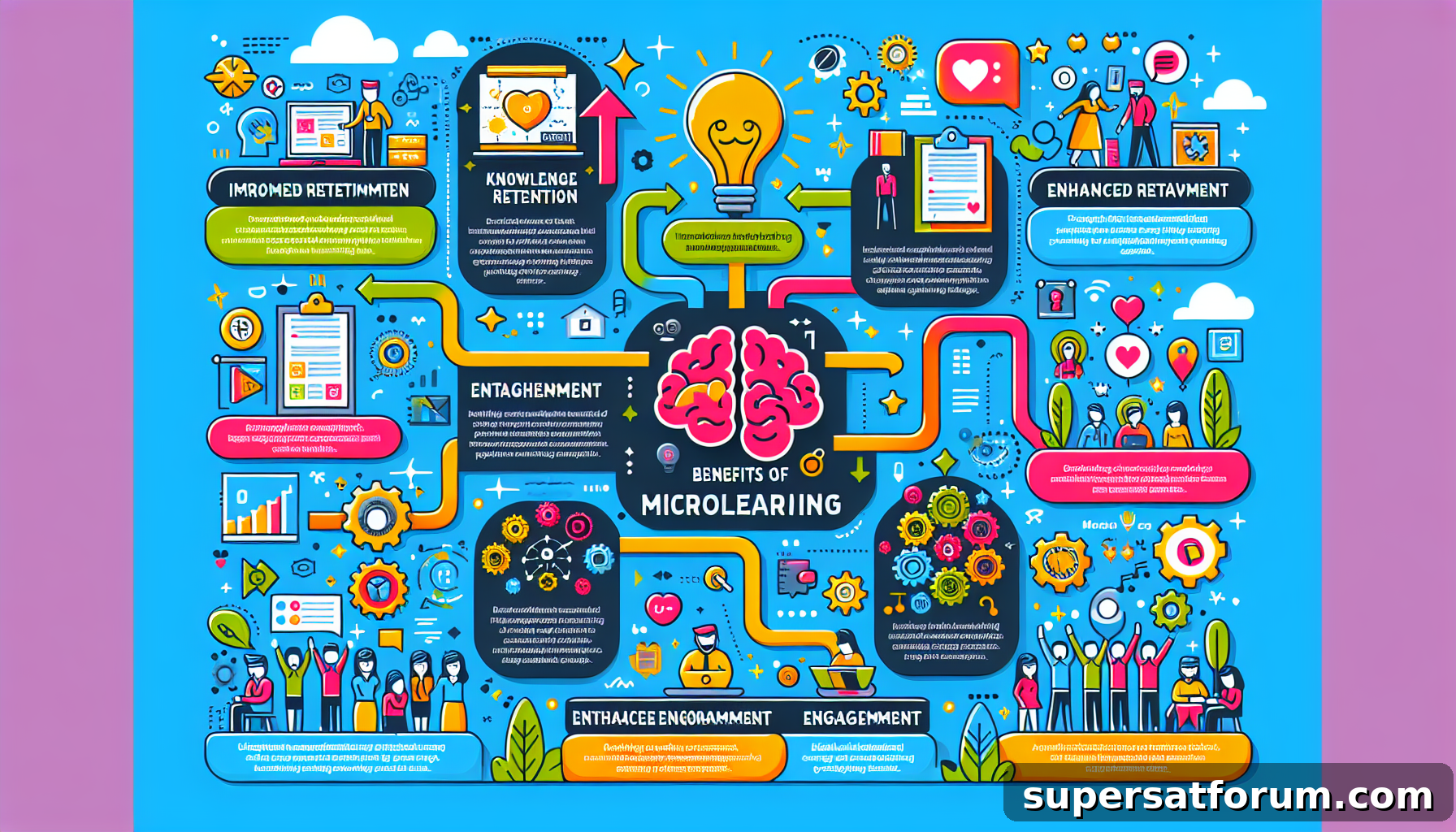
Benefits of microlearning
Breaking training into small modules boosts knowledge retention and makes learning more efficient. Research and industry experience indicate that spaced, repeated exposure to material significantly improves recall, often producing retention improvements that are meaningful for learners and organisations alike.
Flexibility is a core advantage: learners can study anytime on any device and control the pace and timing of lessons. That makes microlearning especially useful for professionals who must balance work, personal life and development goals. Microlearning also tends to be more affordable and faster to produce than lengthy training programs, helping organisations scale learning while reducing costs.
For the workplace, microlearning closes skills gaps quickly. Short, targeted lessons address specific tasks or knowledge areas so employees can immediately apply what they learn, improving productivity and on-the-job performance. Because modules are concise, they integrate easily into daily workflows without major disruption.
Finally, designing content to match shorter attention spans and specific learning objectives increases engagement. Building microlearning modules is generally faster and less resource-intensive than developing full-length courses, which makes it a practical option for continuous training and upskilling initiatives.
Scientific principles behind microlearning
Microlearning aligns with proven cognitive principles. The spacing effect improves retention by distributing practice over time, while cognitive load theory recommends breaking information into smaller segments to avoid overload. Together, these ideas explain why short, repeated exposures help learners remember more.
Active learning features—interactive quizzes, immediate feedback, and scenario-based practice—promote deeper processing and better recall. Combining spaced repetition with multimedia elements such as short videos and quick assessments creates an evidence-based approach to effective learning.
Top microlearning apps for professional development
Several apps stand out for workplace learning. MobieTrain focuses on frontline and customer-facing teams, delivering personalised, mobile-first lessons that fit into busy schedules. Axonify uses cognitive science and AI to increase retention and on-the-job application, earning strong user satisfaction scores.
TalentCards applies a flashcard model that’s ideal for quick recall of essential information, especially for remote or frontline workers. EduMe supports conversational and slideshow-style lessons tailored to employee needs and workflows. Learnie enables easy creation and sharing of microlearning videos within teams, encouraging collaborative learning and knowledge-sharing.
These platforms prioritise short, relevant lessons and often include analytics and feedback tools that help organisations measure impact and iterate quickly, making them practical for ongoing professional development.
Personal growth with microlearning apps
Microlearning also excels for self-improvement. Language apps such as Duolingo use gamified, bite-sized lessons that have reached tens of millions of users, demonstrating how short sessions can produce meaningful progress. Apps focused on personal development, like Headway, distill nonfiction ideas into short summaries that users can consume in minutes to broaden knowledge quickly.
These consumer-oriented apps show that microlearning works not only for workplace training but also for everyday learning goals—language acquisition, habit-building, and general knowledge expansion—making skill development accessible to anyone with a smartphone.
Industry-specific microlearning apps
Certain sectors require specialised training, and microlearning tools have adapted accordingly. EduMe integrates bite-sized training into frontline workflows, ensuring content is contextual and immediately applicable. TalentCards and similar tools deliver short lessons via flashcards to remote teams who need quick access to procedures and updates.
Qstream emphasises reinforcement-driven learning suitable for hybrid work models, while MobieTrain tailors AI-driven microlearning to customer-facing roles. These industry-focused solutions help professionals stay current with compliance, procedures, and product knowledge without extensive time away from their jobs.
Key features to look for in microlearning apps
A strong microlearning app should offer an intuitive interface, clear progress tracking, and immediate feedback. Gamification—badges, points, leaderboards—boosts motivation, while analytics give insight into engagement and learning outcomes so content can be continuously improved.
Personalisation through AI or adaptive learning paths ensures modules match each learner’s skills and goals. Offline access and short, modular content make lessons accessible anywhere, and integration options with existing learning management systems simplify adoption for organisations.
Aligning app features with learning goals
Choose apps whose features map directly to your objectives. If your goal is rapid skill acquisition, look for practical, scenario-based modules and spaced repetition. For career development, seek structured learning paths that build progressively. Engagement features like interactivity and gamification increase completion rates, while feedback loops and analytics help trainers refine content.
Self-paced microlearning supports personalised progress, so combine clear objectives with the right app features to ensure consistent, measurable improvement.
Making microlearning a daily habit
Turn microlearning into a daily practice by blocking short, consistent times for study—ten minutes during a commute, a quick lesson after breakfast, or a short review before bed. Use app reminders and bite-sized goals to maintain momentum. Treat small breaks as opportunities for quick lessons so learning becomes part of your routine rather than an extra task.
Over time, these brief sessions compound into meaningful progress, helping you reach long-term goals without major schedule changes.
Integrating microlearning with other educational tools
Microlearning works best when woven into a broader learning ecosystem. Pair short app lessons with periodic longer workshops, peer study groups, or email-based courses for variety and depth. Audio-focused platforms can supplement visual lessons, enabling learning while commuting or exercising.
Collaborative sessions—where learners present short topics to peers—reinforce accountability and deepen understanding. When microlearning is intentionally aligned with assessments and broader course goals, it becomes a powerful component of a comprehensive learning strategy.
Case studies and testimonials
Real-world examples show that learners who adopt microlearning report better retention, greater motivation, and faster skill application. Organisations that implement targeted, short modules often see measurable improvements in on-the-job performance and reduced training time, demonstrating microlearning’s practical value.
Individual testimonials highlight how daily short sessions lead to steady skill growth and improved confidence—useful indicators for anyone considering microlearning as part of a development plan.
Recap of microlearning benefits
Microlearning helps close knowledge and skill gaps quickly by delivering targeted, actionable content. This approach increases return on learning investment by enhancing retention and enabling immediate application.
Key advantages include improved retention, greater flexibility, cost-effectiveness, and higher engagement. Exploring the right microlearning apps can provide a convenient, impactful route for ongoing professional development and personal enrichment.
Encouraging continuous learning
Microlearning fosters a culture of continuous learning by making training constantly available and easy to fit into daily life. This adaptability is essential in fast-changing industries and helps individuals stay relevant and competitive.
By embracing microlearning, organisations and individuals can create sustainable growth habits that support long-term career and personal development.
Summary
Microlearning has changed how we approach learning in a fast-paced world. Short, engaging content tailored to individual needs gives learners a flexible, effective path to skill-building. From workplace-focused tools like MobieTrain and Axonify to consumer apps like Duolingo and Headway, microlearning platforms help users continuously improve and adapt.
Adopting microlearning as part of a regular routine supports lifelong learning and keeps you prepared for evolving challenges. Try integrating microlearning apps into daily habits to accelerate growth and maintain a competitive advantage in your field.
Frequently Asked Questions
What is microlearning?
Microlearning is an instructional strategy that delivers content in short, focused segments—typically three to ten minutes—so complex topics are easier to digest and retain.
How does microlearning enhance knowledge retention?
Microlearning improves retention through repetition and spaced practice, which reinforce memory and increase the likelihood that learners will recall information over time.
What are some popular microlearning apps for professional development?
Popular professional microlearning apps include MobieTrain, Axonify, TalentCards, EduMe, and Learnie—each designed to deliver short, job-relevant lessons that boost workplace performance.
Can microlearning be used for personal growth?
Yes. Microlearning supports personal growth through apps like Duolingo for languages and Headway for condensed nonfiction insights, helping users build skills in small, consistent steps.
How can I make microlearning a daily habit?
Make microlearning a daily habit by scheduling short sessions, using app reminders, and turning idle moments into learning opportunities—ten minutes a day adds up quickly.