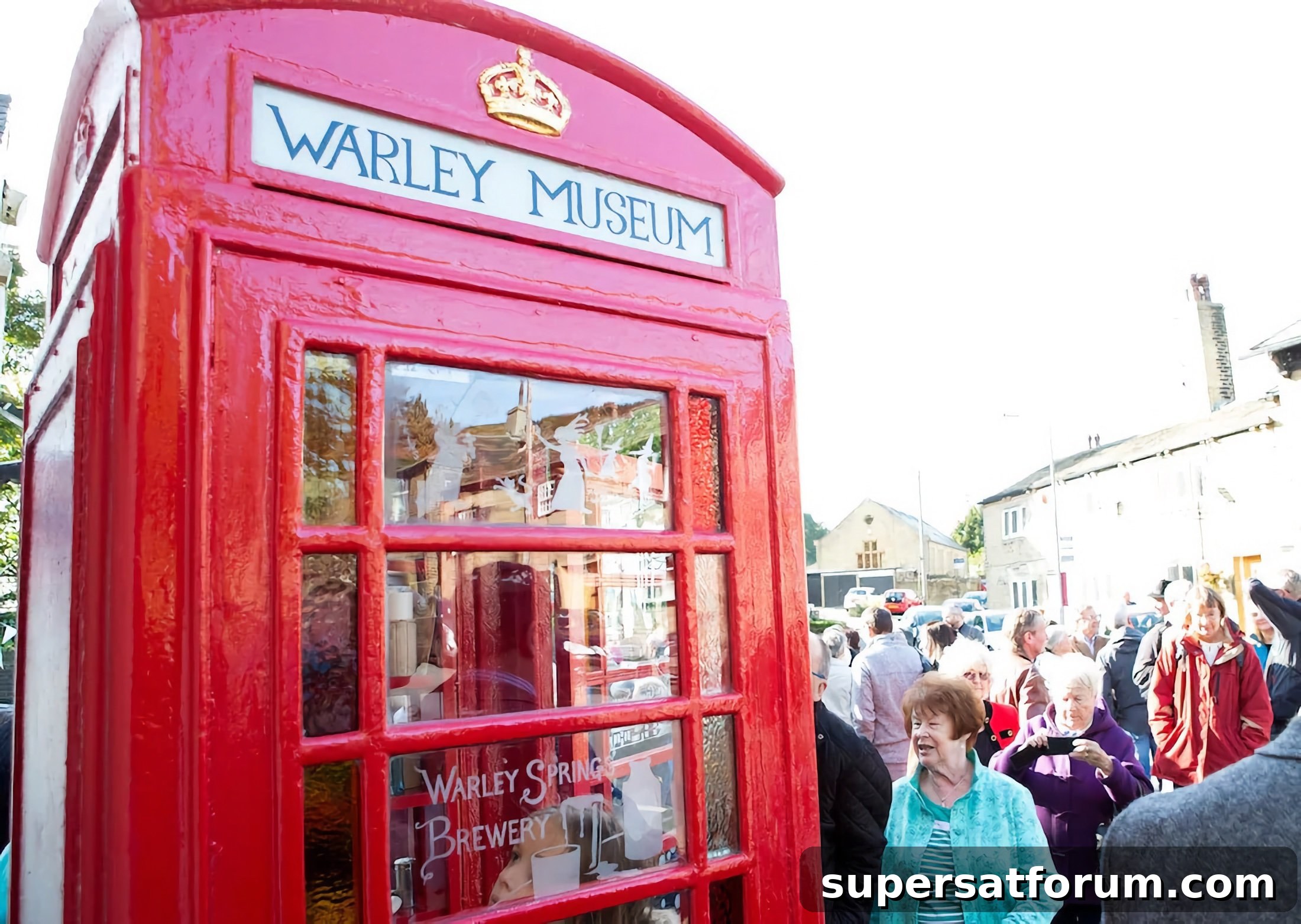
As the iconic red phone box nears its 100th anniversary, BT is offering communities the chance to repurpose around 1,000 of these historic kiosks located across the UK.
Designed by architect Sir Giles Gilbert Scott after a 1924 competition, the red phone box became a familiar sight across Britain. Today, however, payphone use has all but disappeared as mobile phones are used by around 98 percent of adults, leaving payphones rarely used.
Michael Smy, Head of Street at BT, said: “With the vast majority of people now using mobile phones, and significant improvements to mobile coverage across the UK, we’ve continued to see a big drop in the number of calls made from payphones.”
Currently, the UK retains roughly 20,000 operational payphones, with nearly 3,000 still housed in the traditional red kiosks. Phone box numbers peaked in the 1990s at about 100,000 units.
BT is encouraging communities to take part in its Adopt a Kiosk programme, an initiative designed to breathe new life into underused red phone boxes through creative community-led transformations.
Launched in 2008, the scheme has already seen more than 7,200 phone boxes adopted by local groups for a nominal fee of £1 each. Adoption is open to community or parish councils and registered charities.
“With the iconic red kiosk about to turn 100, it’s a great opportunity to remind communities that would still like to retain their local kiosk to take it on for just £1 through our Adopt a Kiosk scheme,” Smy added. “We’ve already seen some great kiosk conversions across the UK that have become valuable community assets.”
Disused phone boxes have been creatively repurposed as defibrillator stations, mini libraries, small art galleries, public WiFi points, and even local museums, providing practical benefits while preserving a piece of local character.
Martin Fagan, National Secretary of the Community Heartbeat Trust, commented: “BT’s kiosk adoption scheme has given us a great opportunity to increase the number of defibrillators across the UK in recent years. To install defibrillators in disused phone boxes is ideal, as they’re often in the centre of villages and towns and it means the iconic red phone box can remain a lifeline and focus for the community.”
In line with Ofcom guidance, BT regularly reviews its remaining payphones and removes those that are no longer used. Ofcom updated its rules last year to reflect improvements in mobile coverage and the low call volumes from many individual payphones.
One adopted kiosk in the village of Compton near Guildford, Surrey, has become a beloved local landmark. Decorated by resident and parish councillor Chris Sharples, the kiosk is regularly dressed to mark occasions—from royal weddings to cultural festivals and major sporting events—drawing both local and wider attention.
“Phone boxes are typically positioned at the heart of communities,” Sharples said. “I would encourage others to embrace redundant kiosks in their vicinity and transform them into community assets.”
As communication habits continue to evolve, the Adopt a Kiosk scheme offers a practical way to preserve the red phone box as a piece of living heritage while providing new services and focal points for communities.
(Image Credit: BT)
See also: BT partners with NATS to modernise UK air traffic operations
Looking to revamp your digital transformation strategy? Learn more about Digital Transformation Week, featuring events in Amsterdam, California, and London.
Explore other upcoming enterprise technology events and webinars powered by TechForge.