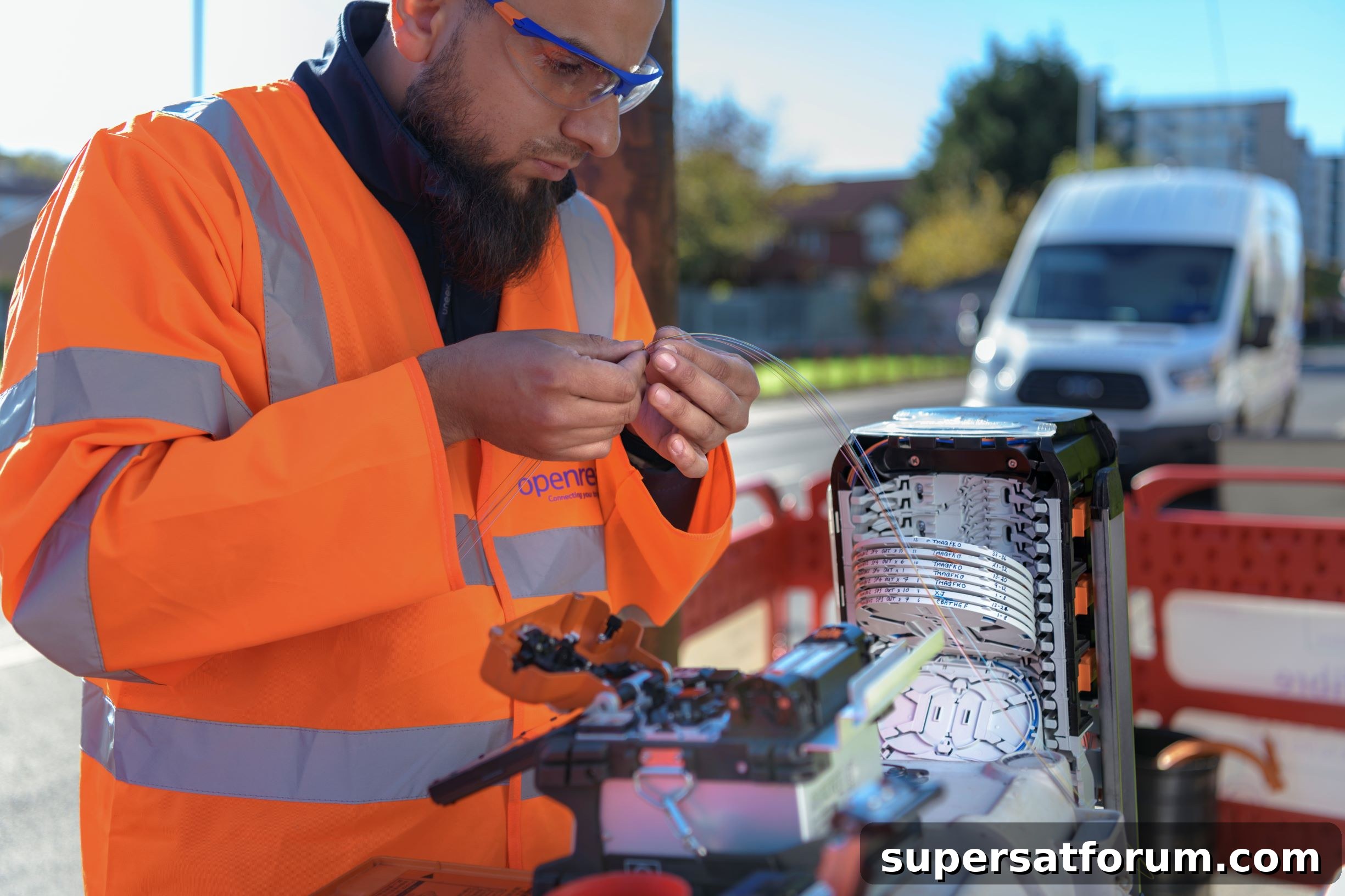
BT staff have begun strike action across the UK in protest at pay offers that fall well below inflation.
UK RPI inflation has reached 11.7 percent and is expected to rise further later in the year. Many employers have offered pay rises to help prevent employees from being materially worse off month to month, but unions argue those measures are still insufficient.
BT offered employees a one-off pay increase of £1,500 to help with the cost of living. The Communication Workers Union (CWU), which represents BT and Openreach staff, has described the offer as “weak” and “insulting,” and said it amounts to a significant real-terms pay cut.
The CWU warned that more than 40,000 members would strike unless BT presented a substantially improved offer. Dave Ward, General Secretary of the CWU, said: “Our members, and working people in general, have had enough. We will not accept seeing workers use food banks while executives use Swiss banks.”
Ward added that the situation is both unjust and unsustainable, saying workers cannot be expected to keep working harder for steadily deteriorating living standards.
When talks failed to reach an agreement, BT employees began picketing at sites around the country. Ward blamed BT’s leadership for the disruption, saying it was the result of management’s refusal to address workers’ concerns.
The dispute represents the first nationwide telecoms strike in the UK since 1987.
David Hennell, Business Development Director at National Broadband, warned that the strikes could cause major disruption to everyday life. He noted that in the past year around 11 million people experienced broadband outages, and argued that with technical support reduced during strike action, those suffering faults could be left without help.
Hennell also said the action could delay the rollout of ultrafast broadband projects tied to the Government’s Levelling Up agenda. He stressed that households and businesses in remote and rural areas have long been disadvantaged by poor broadband access, and further delays would compound that inequality.
A CWU spokesperson described the initial day of strike action as “rock solid,” reporting that employees manned more than 400 picket lines across towns and cities to show their opposition to BT’s management approach. The spokesperson said the strike should serve as a warning to BT leadership that workers will not passively accept declining living standards and rising corporate inequality.
Support for the strike has been visible on the picket lines, with public figures joining workers in demonstrating for better pay and conditions. Further strike action is planned to continue, with another day of industrial action scheduled for Monday.
(Image Credit: BT)
Looking to revamp your digital transformation strategy? Learn more about Digital Transformation Week taking place in Amsterdam, California, and London, and discover key strategies to make digital efforts more effective.