Three major Chinese telecommunications companies are shifting their financial strategy, moving away from heavy capital spending and toward higher dividend payouts for shareholders.
According to reporting by Nikkei Asia, this change follows increased government attention on stock market performance and directives for state-owned enterprises to prioritize shareholder returns. The drive reflects broader policy guidance encouraging improved market value management and greater cash returns to investors.
China Telecom has taken a notably aggressive stance. Its interim dividend rose 16.7% to 0.1671 yuan per share, with total interim distributions reaching 15.29 billion yuan. That dividend increase outpaced the company’s net profit growth of 8.2%. Chairman and CEO Ke Ruiwen has set a target to raise the dividend payout ratio to more than 75% within three years, up from just over 40% in 2020. At the same time, China Telecom plans to scale back new spending, with annual capital expenditure forecast to fall about 2.9% to 96 billion yuan.
China Mobile, the world’s largest mobile operator with over one billion subscribers, is following the same path. The company raised its interim dividend by 7% to HK$2.60 per share, slightly ahead of its net profit growth of 5.3%. China Mobile has indicated it will aim to lift its dividend payout ratio above 75% starting in 2024. To support higher shareholder returns, it plans to cut annual capital spending by around 4% to 173 billion yuan.
China Unicom, though smaller than its two rivals, has also increased interim dividends—up 22.2%—while trimming capital expenditures by 13.4% so far this year. The operator now forecasts an annual investment reduction of roughly 12% to 65 billion yuan and intends to maintain a roughly 55% dividend payout ratio.
Markets have responded positively to this reallocation of resources. With major 5G infrastructure investments largely complete, telecom stocks in Hong Kong have outperformed the Hang Seng Index this year. China Unicom, in particular, has seen strong share gains, with a year-to-date rise of about 34%, outpacing the broader market.
Executives at the companies have noted that further large-scale investment needs are limited in the near term. China Telecom’s leadership says upcoming 5G-Advanced deployments will not demand substantial new capital, while China Mobile’s management has suggested commercial 6G is unlikely before 2028. That timeline gives operators room to redirect funds toward shareholder returns instead of network build-outs.
This strategy is in line with guidance issued by the State-owned Assets Supervision and Administration Commission (SASAC), which has been urging state-owned firms to enhance the quality of their listed units by strengthening corporate governance, improving disclosures, conducting share buybacks, and increasing cash dividends. SASAC has further recommended tying some executive performance reviews to market outcomes and incentivizing higher cash payouts to shareholders.
While higher dividends benefit private and institutional investors, they also serve the state’s interests: SASAC is the ultimate owner of the three telecom groups and stands to gain from improved market valuations and direct cash returns. The shift toward dividend-focused capital allocation represents a meaningful change in how China’s state-owned telecom giants balance long-term technology investment with near-term shareholder demands—an adjustment shaped by both economic conditions and evolving policy priorities.
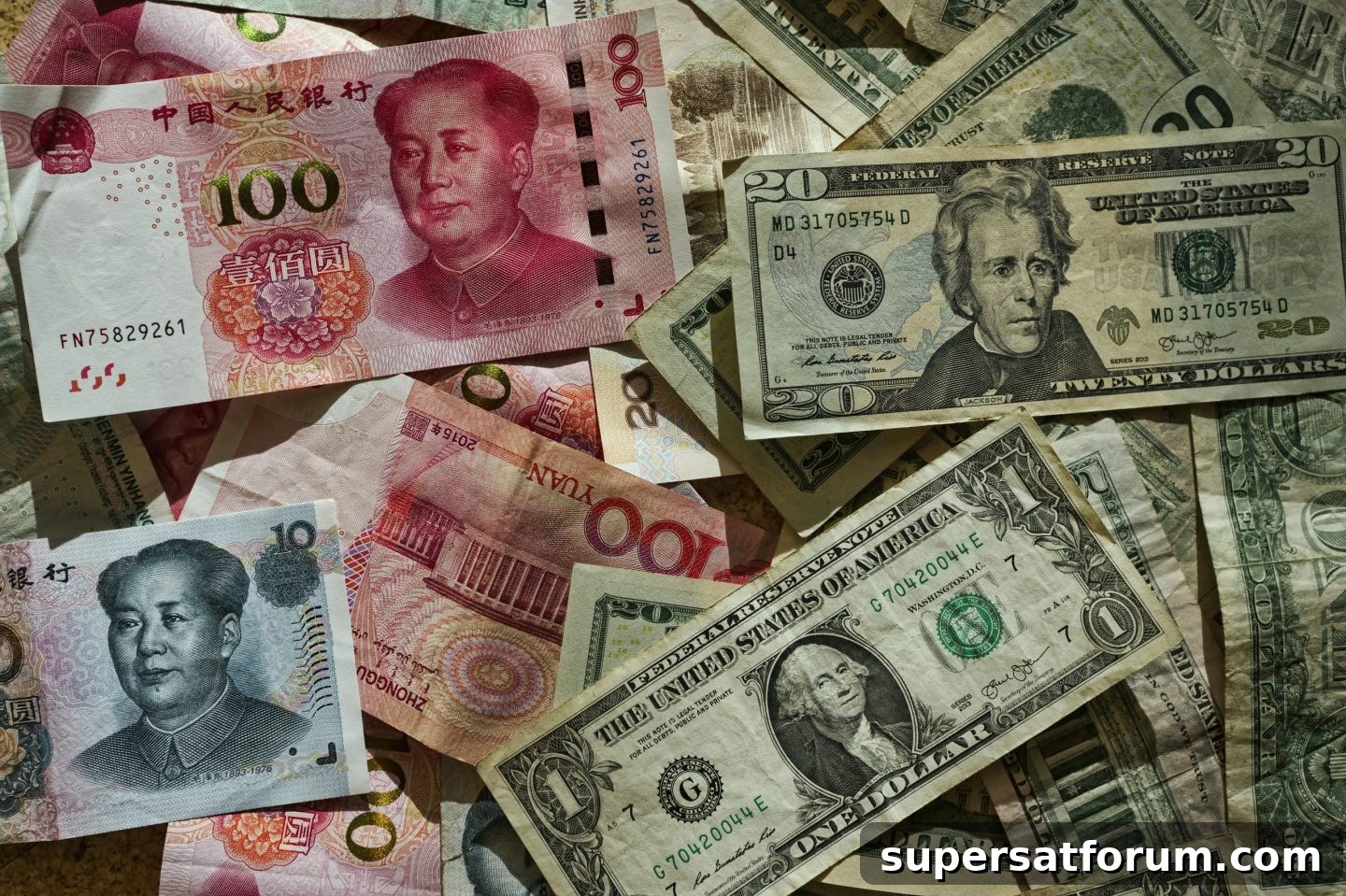
(Photo by Eric Prouzet)
See also: Telcos urged to embrace horizontal strengths in B2B sales
Unified Communications is a two-day event held in California, London and Amsterdam that explores the future of workplace collaboration in a digital world. The event is co-located with related conferences on digital transformation, IoT, edge computing, intelligent automation, AI & big data, and cybersecurity.
Explore other upcoming enterprise technology events and webinars powered by TechForge.