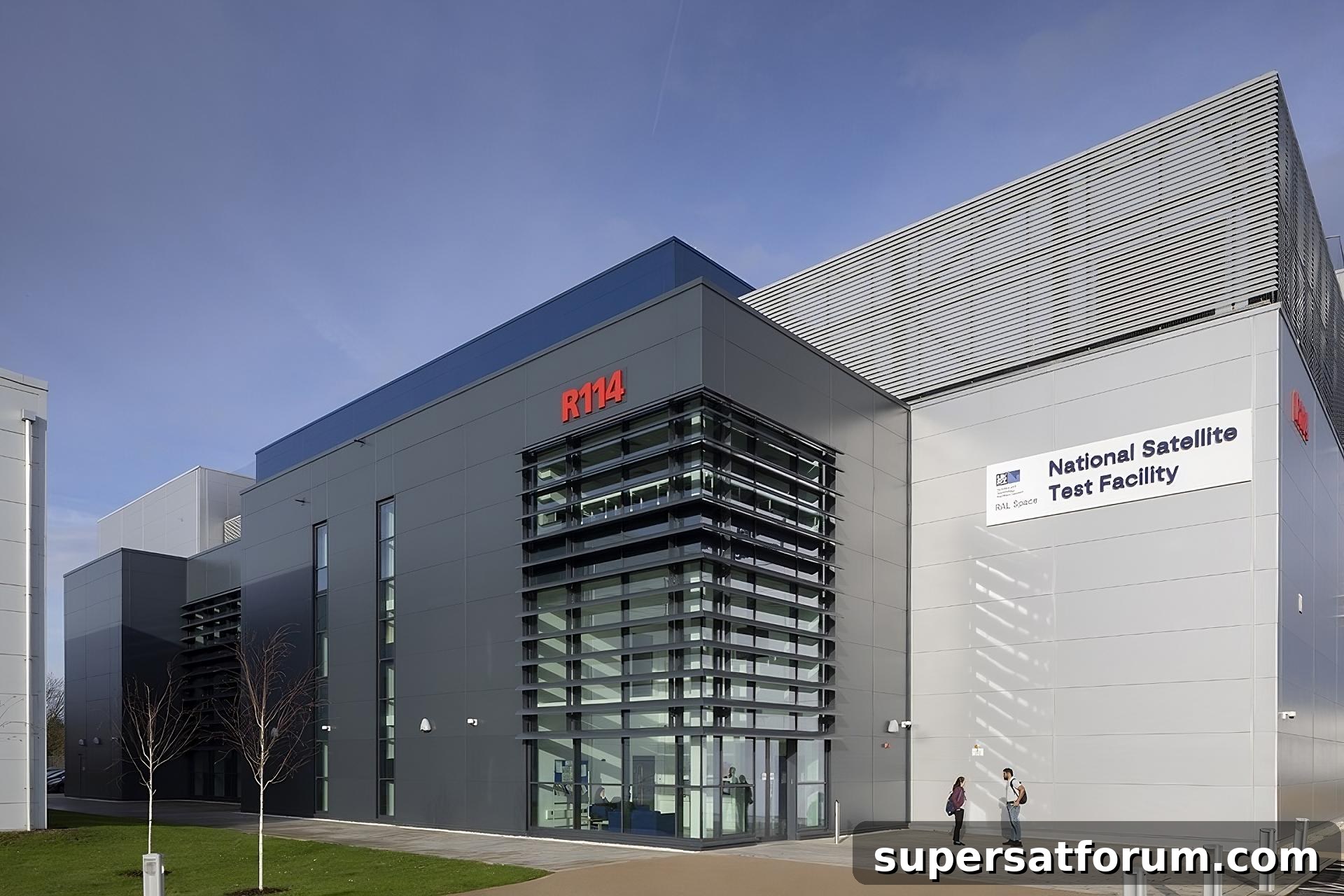
SKYNET 6A, a key component of the UK’s next-generation military satellite communications programme, has passed its initial round of intensive testing at the new, government-backed National Satellite Test Facility (NSTF) in Harwell, Oxfordshire.
SKYNET 6, co-sponsored by Strategic Command and UK Space Command, is being developed to provide resilient and dependable satellite communications (SATCOM) for UK and allied forces worldwide, delivering battlefield information advantage wherever and whenever it’s needed.
Testing at the NSTF concentrated on validating SKYNET 6A’s ability to withstand the extreme conditions experienced during launch and in orbit. Engineers evaluated electromagnetic compatibility, thermal extremes, and vibration tolerance to ensure the satellite’s hardware and systems remain operational under demanding circumstances.
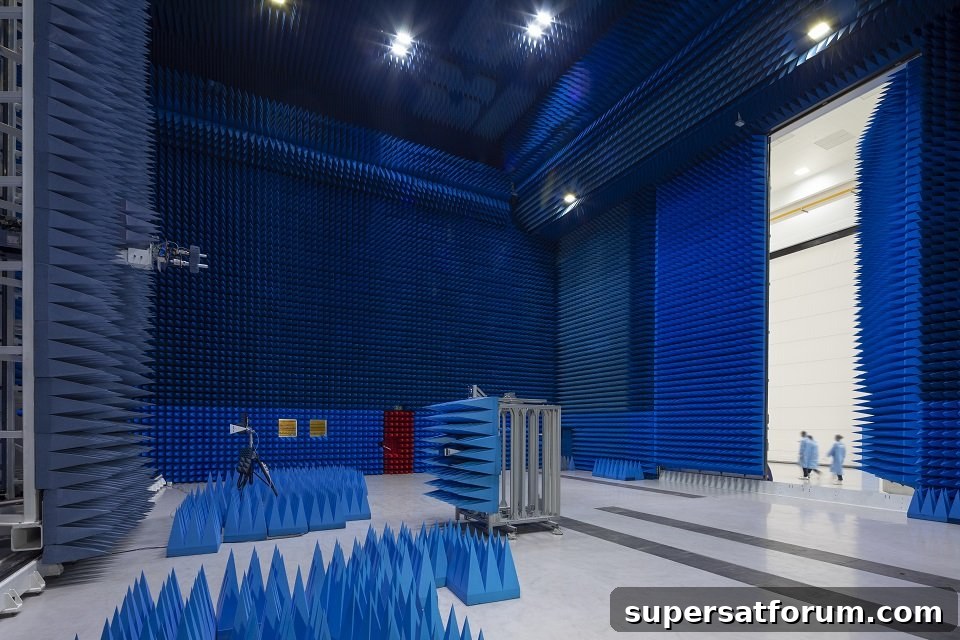
The successful completion of these tests reflects close cooperation between Airbus Defence and Space UK, the Science and Technology Facilities Council’s RAL Space, and the Ministry of Defence. The finished satellite will undergo additional qualification and verification work at the NSTF throughout the year to confirm its long-term reliability once deployed into orbit.
Jason Gnaneswaran, Senior Responsible Owner for SKYNET 6, said: “The SKYNET 6 programme will ensure our deployed forces have world-leading communications on demand—whether on the battlefield, at sea, or in the air.”
He added that this testing milestone is a significant achievement for the Ministry of Defence and RAL Space, marking an important step toward delivering a durable and effective SATCOM capability. The progress also highlights the broader SKYNET initiative and the benefits of strong collaboration between industry and government partners.
Planned for launch in 2026, SKYNET 6A will be the first SKYNET military communications satellite fully designed, manufactured, and tested in the UK, underscoring the country’s expanding domestic expertise and self-reliance in space systems.
Built with advanced digital processing and efficient radio-frequency spectrum management, SKYNET 6A offers greater capacity and flexibility than earlier platforms. The satellite is designed to provide secure, resilient communications for at least 15 years, supporting a wide range of military operations across all domains.
Beyond its operational role, the programme delivers measurable economic benefits, supporting around 550 high-skilled jobs across the UK in locations including Stevenage, Corsham, and Portsmouth. The NSTF is expected to attract further investment and new companies to the Harwell Campus, which already hosts more than 100 domestic and international space organisations.
Dr Barbara Ghinelli, Director for the Science and Technology Facilities Council’s Innovation Clusters and the Harwell Campus, noted: “By enabling pioneering projects like SKYNET 6A, the facility helps accelerate the UK’s path toward commercial space activity and strengthens our innovation clusters as global hubs.”
She said the NSTF’s combination of specialist facilities and technical expertise supports businesses across the UK and promotes wider civilian and defence applications through programmes such as SKYNET 6 and the Regional Defence and Security Clusters.
SKYNET remains a central element of the UK’s military satellite communications architecture, supporting whole-force integration to ensure armed forces stay connected and informed wherever they operate.
(Imagery credit: UK Ministry of Defence under MOD Crown copyright)