Network operators are increasingly integrating AI into everyday operations. Rather than limiting AI to analysis or support tools, several telecom companies are deploying autonomous software agents capable of carrying out tasks directly within their systems.
Companies such as Vodafone, AT&T, and Telefónica are applying this so-called “agentic AI” across different areas of their businesses, from network operations to internal finance and customer workflows.
For example, Vodafone uses AI agents in enterprise sales processes. According to industry reporting, with Microsoft as a cited partner, the system can produce draft responses to requests for proposals in minutes—compared with the typical 10 to 30 working days many telecom teams historically required for a first draft. This improvement stems from automating coordination tasks that previously required manual handoffs between teams.
AI in telecom workflows
Telecom operators have long used machine learning in domains such as network optimization and fraud detection. What is evolving now is the manner of application: newer systems are designed as agents that can execute tasks end to end, not just produce insights for humans to act on.
At AT&T, AI is being embedded into network operations to help detect faults and address performance issues. Industry briefings indicate these systems can identify problems and trigger responses, and in some scenarios execute predefined actions automatically rather than waiting for human intervention.
Telefónica is pursuing similar automation, applying AI to customer service and back-office processes to reduce repetitive manual work while maintaining human oversight. These efforts target efficiency gains by automating routine tasks and accelerating process completion.
The shared aim across these initiatives is to achieve scale: build environments in which fleets of agents operate across multiple systems simultaneously. That approach promises efficiency but also introduces new operational and governance challenges.
Scale and constraints
As AI agents move into core operations, telecom firms are encountering limitations that were less apparent in initial pilots.
Data governance is a major concern. Telecom operators process large volumes of sensitive data, including customer records and network telemetry. Systems using that data must comply with strict regulations—such as the General Data Protection Regulation in Europe—which influence model training, decision-making, and audit logging.
A related challenge is the skills gap. Operating AI at scale requires expertise in areas such as data engineering, model lifecycle management, and systems architecture. Many operators are still building these capabilities internally and are balancing internal development with outsourced or partner-based support.
Managing large numbers of autonomous agents is another significant problem. When multiple agents can make decisions and take actions, operators need robust observability, error handling, and performance monitoring. They also must enforce operational limits so agents do not exceed permitted behaviors—requirements that exceed the design assumptions of many traditional automation platforms.
The GSMA has drawn attention to similar issues, stressing that while AI can yield efficiency improvements, operators still require clear governance frameworks and operational controls to manage risk.
Operational infrastructure
Many current deployments remain limited in scope as operators test boundaries and refine architectures. Still, a clear trend is emerging: AI is increasingly entrusted with tasks that involve direct action rather than just analysis.
This shift creates both opportunities and pressures. On the positive side, AI agents can shorten task completion times, streamline workflows, and enable faster responses to network events. On the other side, scaling these agents forces telecom companies to adopt new approaches to risk management, governance, and operational oversight.
The experiences of Vodafone, AT&T, and Telefónica indicate the technology is advancing, but the operational model is still under development. As deployments proliferate, the emphasis is likely to shift from what AI can accomplish toward how organizations control, monitor, and govern those autonomous capabilities.
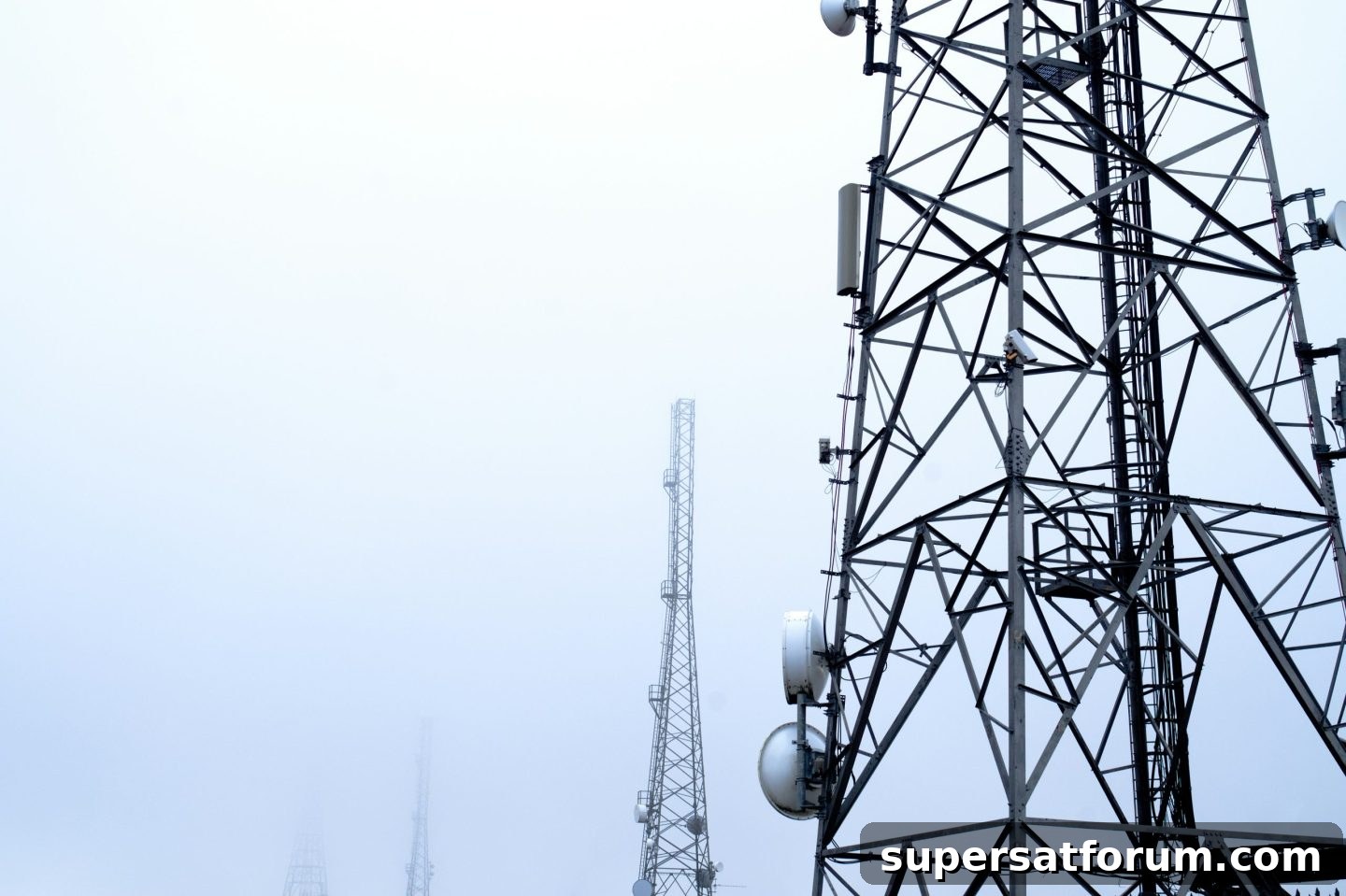
(Photo by David Arrowsmith)
Interested in how IoT is reshaping telecoms and connectivity? Attend industry events such as IoT Tech Expo to explore innovations in 5G, edge computing, and IoT that are influencing the future of networks and services. Conferences and co-located shows bring together practitioners and vendors to discuss practical deployments, challenges, and best practices.
Telecoms News is published by TechForge Media. Explore upcoming enterprise technology events and webinars through the publisher’s event listings.