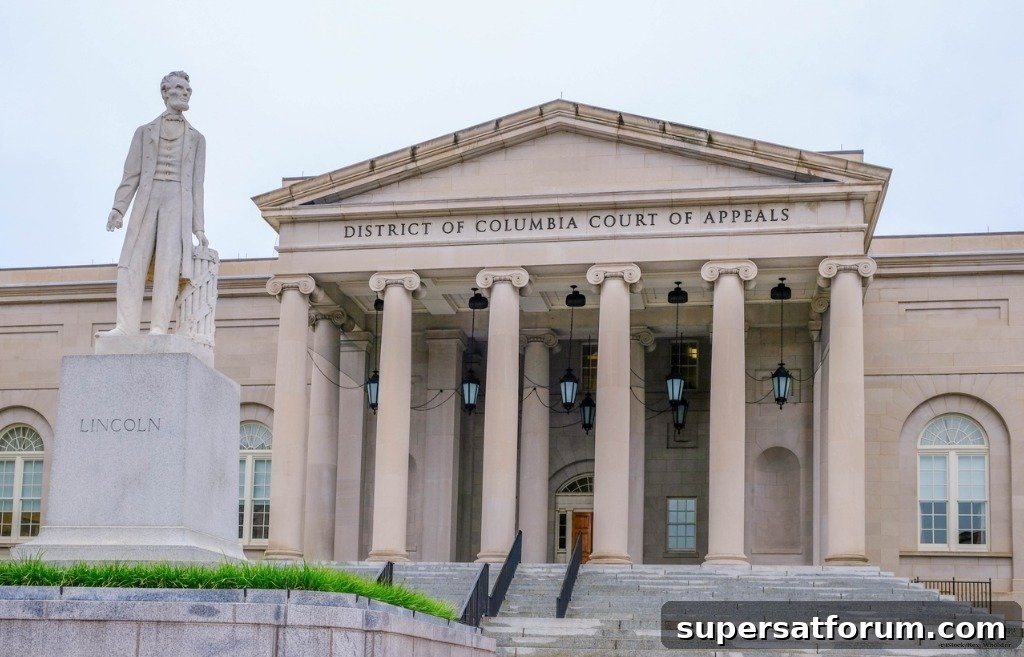
Groups representing major technology companies have asked a U.S. appeals court to reconsider an October ruling that largely upheld the 2017 repeal of net neutrality protections.
Net neutrality dominated headlines in 2017 and 2018, and while coverage has waned this year, the issue remains consequential for internet governance and competition.
In December 2017 the Federal Communications Commission repealed the Obama-era net neutrality rules that had required internet service providers (ISPs) to treat all online traffic equally. For many proponents, that decision appeared to settle the debate in favor of deregulation.
Opponents of net neutrality argue that heavy users of bandwidth-intensive services, such as large video platforms, should contribute more toward infrastructure upgrades. Supporters counter that net neutrality preserves a level playing field, preventing ISPs from favoring services they own or partner with and from degrading competitors’ access.
Shortly after the repeal, researchers and consumer advocates reported instances of ISPs limiting service quality. A study by researchers at the University of Massachusetts and Northeastern University, based on data from 100,000 participants, found that the four major mobile carriers restricted default mobile video streams to 480p unless customers purchased plans that allowed higher-definition streaming.
Although media attention has decreased, efforts to restore net neutrality rules have continued. Petitions filed by industry and advocacy groups urged the U.S. Court of Appeals for the District of Columbia Circuit to revisit the case and reconsider its decision.
Filing groups include the Computer & Communications Industry Association (CCIA), the internet trade group INCOMPAS, and several public-interest organizations. Their petitions argue the court’s ruling raises issues of exceptional importance because it endorsed the reversal of U.S. policies that promoted an open internet and confirmed the FCC’s 2017 rollback of the 2015 net neutrality protections.
Net neutrality supporters argue the rules protect core internet principles. Last month, World Wide Web inventor Tim Berners-Lee launched a “Contract for the Web,” citing rising concerns about censorship, internet shutdowns, and other threats to free access to information.
Major technology firms represented by the trade groups that filed petitions include Microsoft, Facebook, Alphabet (Google’s parent company), and Amazon. Several advocacy groups that joined the filings are the Center for Democracy & Technology, Public Knowledge, and Free Press. Many of these companies and groups have publicly supported efforts to preserve an open, non-discriminatory internet.
One petition summarized the stakes this way: by stepping back from regulatory oversight of ISPs, the FCC effectively removed its historical authority to prevent blocking, throttling, or extracting paid prioritization from internet edge providers, potentially allowing ISPs to interfere with users’ access to online content.
Legislative efforts to reinstate net neutrality have seen mixed results. The Democratic-controlled House of Representatives voted in April to restore the rules, but the Republican-controlled Senate has not moved forward with consideration.
Interested in hearing industry leaders discuss topics like this and sharing their use cases? Attend co-located industry events such as IoT Tech Expo, Blockchain Expo, AI & Big Data Expo, Cyber Security & Cloud Expo, and the 5G Expo World Series—events that take place in Silicon Valley, London, and Amsterdam and explore the future of enterprise technology.