A new report from Berg Insight highlights rapid expansion in the global cellular IoT connectivity market, which is forecast to reach 6.4 billion connections by 2029.
According to the 10th edition of the Global M2M/IoT Communications Market report, cellular IoT subscribers grew 14 percent in 2024, bringing the global total to 3.8 billion connections.
This growth generates significant revenue: connectivity revenues are projected to rise from about £12.35 billion in 2024 to around £19.49 billion by 2029. However, the average monthly revenue per user (ARPU) is expected to decline slightly, from approximately £0.29 to £0.26 across the same period.
China remains the dominant market, with 2.7 billion connections at the end of 2024—roughly 70 percent of the global total. Berg Insight attributes this dominance to active government support for large-scale IoT deployments aimed at addressing public safety, energy efficiency, and traffic management.
North America and Western Europe follow as the second and third largest markets, with 294 million and 279 million connections respectively. Unlike China, growth in these regions is primarily driven by commercial demand.
The connected car sector is a particularly strong driver in North America and Western Europe: more than 90 percent of new cars sold include embedded cellular connectivity. Other key applications include commercial fleet management, smart utility metering, and alarm systems.
China Mobile is identified as the world’s largest cellular IoT provider, with 1.42 billion connections at the end of 2024. China Telecom and China Unicom hold the second and third positions. In the Western hemisphere, Vodafone is the leading Western operator with 204 million connections, followed by AT&T with 143 million.
Despite the strong growth in connections, connectivity revenue is not keeping pace with the surge in device numbers. For major mobile operator groups, IoT connectivity typically represents roughly two percent of total revenues.
To capture a larger share of market value, service providers are increasingly expanding beyond basic connectivity. They are bundling value-added services such as cloud platforms, security solutions, and integrated device offerings. Some operators are pursuing vertical integration by acquiring solution providers focused on application areas like vehicle telematics and asset tracking.
The IoT ecosystem also includes managed service providers that together oversee more than 200 million cellular IoT connections. These providers differentiate themselves by aggregating multiple wide-area networks to deliver broader coverage and multi-technology connectivity through single management platforms.
As physical and digital systems converge, resilient connectivity remains the backbone of transformation. Growth is being driven by both state-led initiatives and commercial enterprise, with particular momentum in automotive and industrial applications.
Although China leads in sheer volume, industry focus is shifting toward delivering greater value per connection. Providers that evolve from pure connectivity suppliers into full-service partners—offering integrated software, security and hardware—stand to capture a larger portion of the IoT opportunity.
This transition marks the next phase for an interconnected world in which billions of devices operate online and interoperate within richer ecosystems.
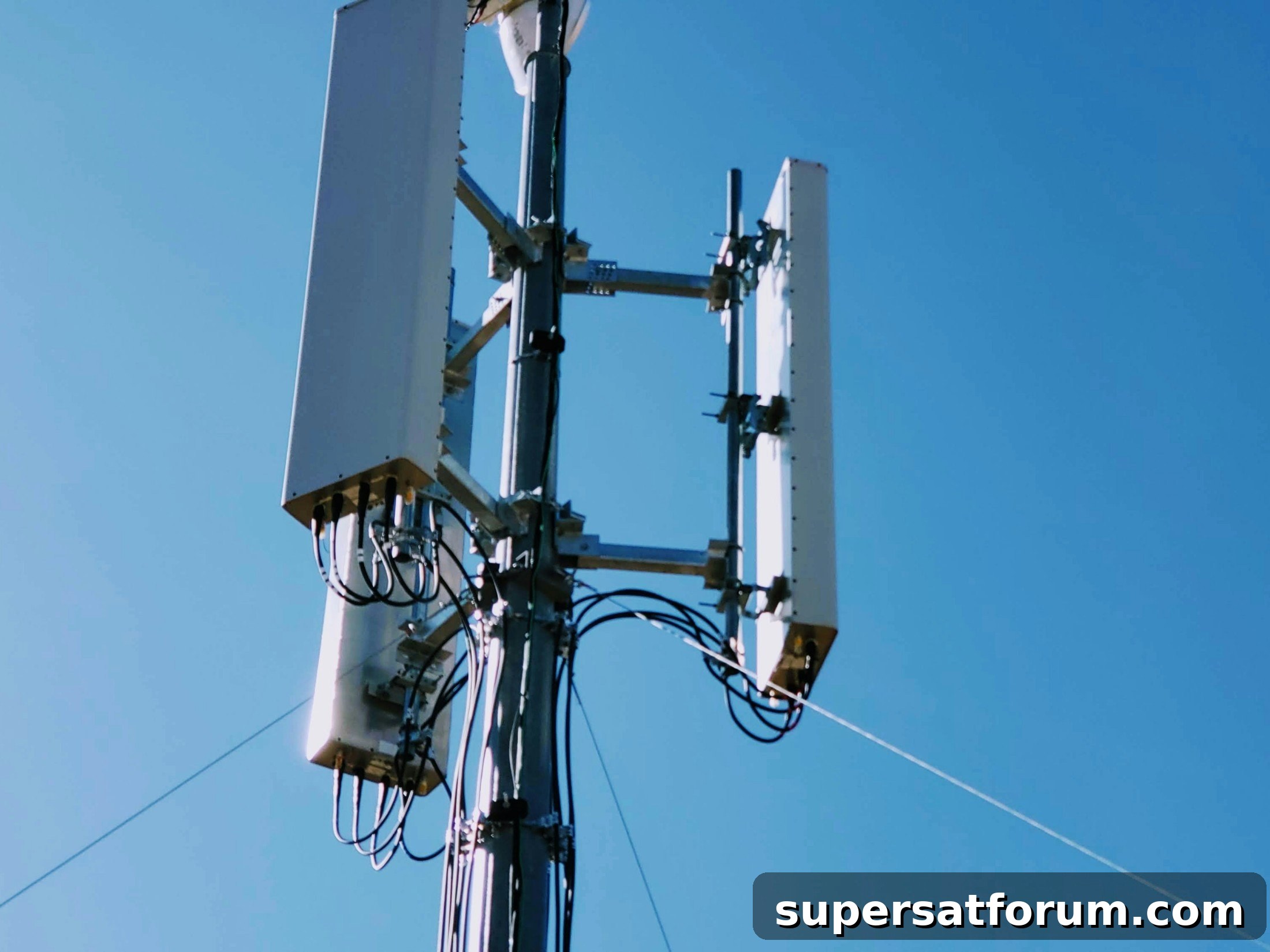
(Photo by Angie Nixon)
See also: Telco AI shifts from strategy to execution
Want to learn about the IoT from industry leaders? Consider attending IoT Tech Expo, held in Amsterdam, California and London. The event is co-located with Cyber Security & Cloud Expo, AI & Big Data Expo, Intelligent Automation Conference, Edge Computing Expo, and Digital Transformation Week.
Explore other upcoming enterprise technology events and webinars powered by TechForge.