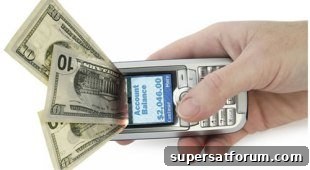
Research conducted by the Internet Advertising Bureau (IAB) and carried out by Crowd DNA shows that the mobile wallet is the future concept consumers most look forward to.
The study surveyed 3,200 smartphone users across the UK, the USA and South Korea and found that 74% of respondents cited mobile wallets and mobile payments as the most appealing future concept “assuming the scenarios were possible.”
Other concepts that attracted strong interest included mobile- and tablet-optimized websites (69%) and cloud-based services (52%).
Less widely embraced ideas included in-store product scanning (18%), video streaming on mobile devices (15%), ad-supported mobile and tablet content (14%), and using mobile devices as remote controls (14%).
Crowd DNA also interviewed industry specialists. Matt Taylor, head of futures at O2, observed that the mobile wallet market “will become increasingly contested over the next two to three years… the challenge is to demonstrate the benefit and not the technology.”
While this research highlights enthusiasm for mobile wallets, other expert commentary presents a more cautious picture. Recent findings reported by the Guardian, citing Ovum research, indicated that among 7,000 app users surveyed, fewer than 1% listed mobile wallets among their three most-used apps. By contrast, 3% ranked mobile banking in their top three.
The survey also looked at broader device ownership and emotional attachment to phones. It found that 61% of people in Britain now own smartphones, and UK consumers reported the strongest emotional connection to their devices among the countries studied.
Specifically, 62% of UK respondents agreed with the statement “I can’t imagine life without my mobile phone,” compared with 59% in the USA and 34% in South Korea. The UK also led in using phones more for internet access than for calls or texts (37%), compared with 33% in the USA and 26% in South Korea.
Tablet usage showed similar national differences. Thirty-five percent of UK respondents said they used tablets daily, versus 31% in the US and 15% in South Korea. However, South Korean respondents were more likely to predict that tablet ownership would rise in the future.
Oli Newton, head of emerging platforms at Starcom MediaVest, commented that society has largely moved beyond any “fear factor” about using tablets in public. Alex Kozloff, IAB senior mobile manager, added: “It surprised us to see that the UK was actually leading the way in tablet usage out of the countries we surveyed.”
The payments landscape remains highly competitive. For example, Chip and PIN mobile solutions have been introduced by multiple providers, including Payleven and CreditCall, illustrating how many companies are vying for leadership in mobile payments.
With strong consumer interest in mobile wallets alongside mixed evidence of current app usage, the coming years are likely to see continued innovation and competition in mobile payments. What do you think—will mobile wallets and mobile payments become mainstream in 2013?