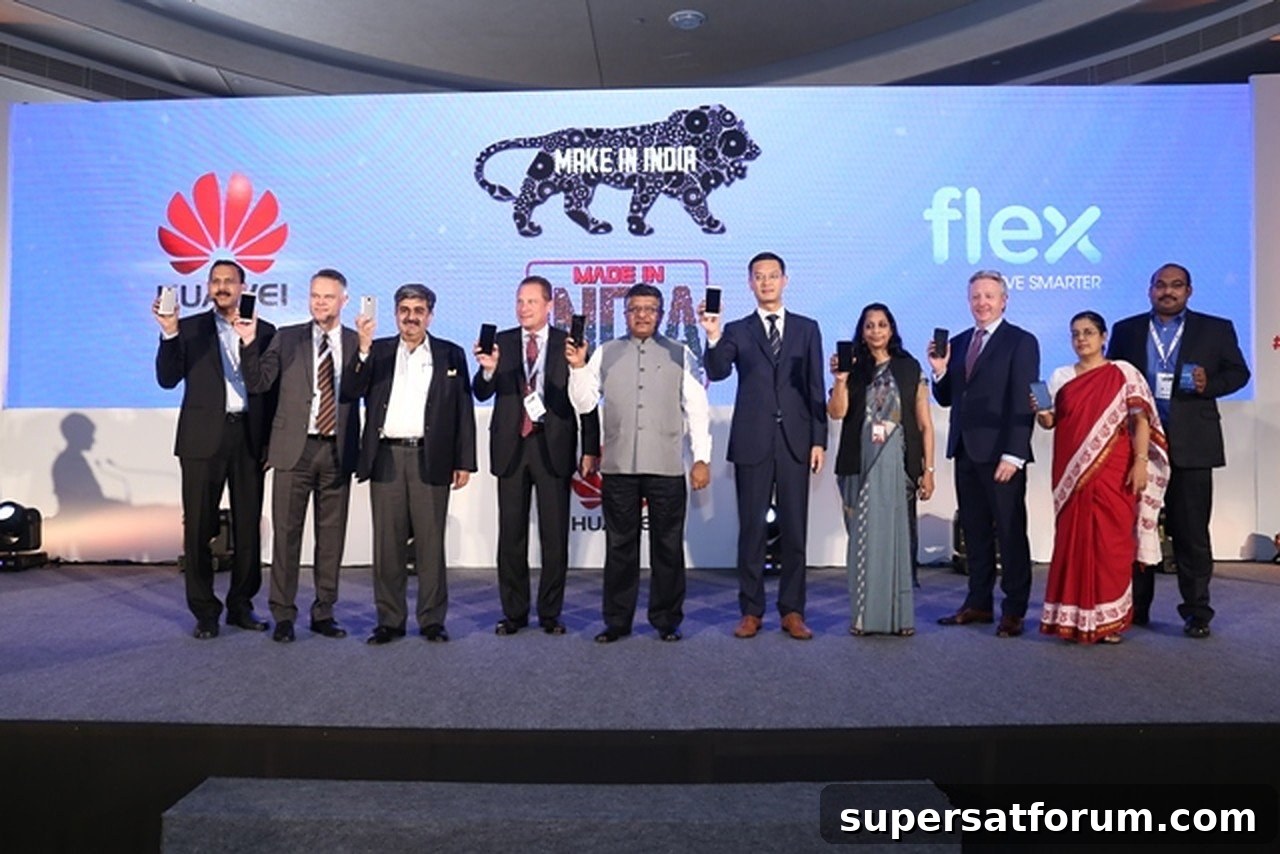
Huawei India CEO Jay Chen urged that India should make its own independent decision about whether to restrict Chinese 5G vendors, rather than follow pressure from other countries.
In an interview with the Economic Times, Chen emphasized Huawei’s confidence in its relationships within India, saying:
“The Indian government, companies and customers all have their full confidence in Huawei. Similarly, we are also confident about our prospects in India. We understand that the Indian government will make an independent, level-playing-field decision that benefits India at the right time.”
The United States has led calls for allies to exclude Chinese firms such as Huawei from their 5G networks, citing concerns that these companies could be influenced by Beijing and pose national security risks. Those concerns have been voiced most strongly within the Five Eyes intelligence partnership—comprising the US, UK, Canada, Australia and New Zealand—where intelligence-sharing arrangements are considered especially sensitive.
Earlier this year, US officials warned they might limit or suspend intelligence cooperation with countries that allow Huawei equipment in core communications systems, arguing that using such suppliers could jeopardize secure information exchange among partners.
Former US Secretary of Homeland Security Tom Ridge has also warned that intelligence-sharing between the US and UK could be damaged if Huawei equipment is deployed in British 5G networks. Speaking in London, Ridge framed the risk in practical terms, suggesting that electronic intelligence exchanges depend on trusted telecommunications systems and that vulnerabilities could create serious problems for allied information sharing.
Ridge expressed surprise that the UK was the only Five Eyes partner to assess the risks from Chinese 5G equipment as manageable. Similar arguments about sovereign decision-making have been made by China’s envoys. China’s ambassador to the UK, Liu Xiaoming, echoed Chen’s view that countries should determine their own course without external pressure.
In a column for the Sunday Telegraph, Liu argued:
“Countries of global influence, like the UK, make decisions independently and in accordance with their national interests. When it comes to the establishment of the new 5G network, the UK is in the position to do the same again—resisting pressure, avoiding interruptions and making the right decision independently based on its national interests and long-term development needs.”
Many nations have yet to reach a final decision on Huawei’s role in their 5G rollouts. Governments weigh economic benefits, vendor competitiveness, and the urgency of upgrading network infrastructure against security assessments and alliance dynamics. Huawei continues to campaign to reassure governments and customers about its equipment and intentions while pursuing market share in the global, high-value 5G market.
Interested in industry discussions on topics like this? Consider attending co-located events such as the IoT Tech Expo, Blockchain Expo, AI & Big Data Expo, and Cyber Security & Cloud Expo World Series, which hold conferences in technology hubs including Silicon Valley, London, and Amsterdam.