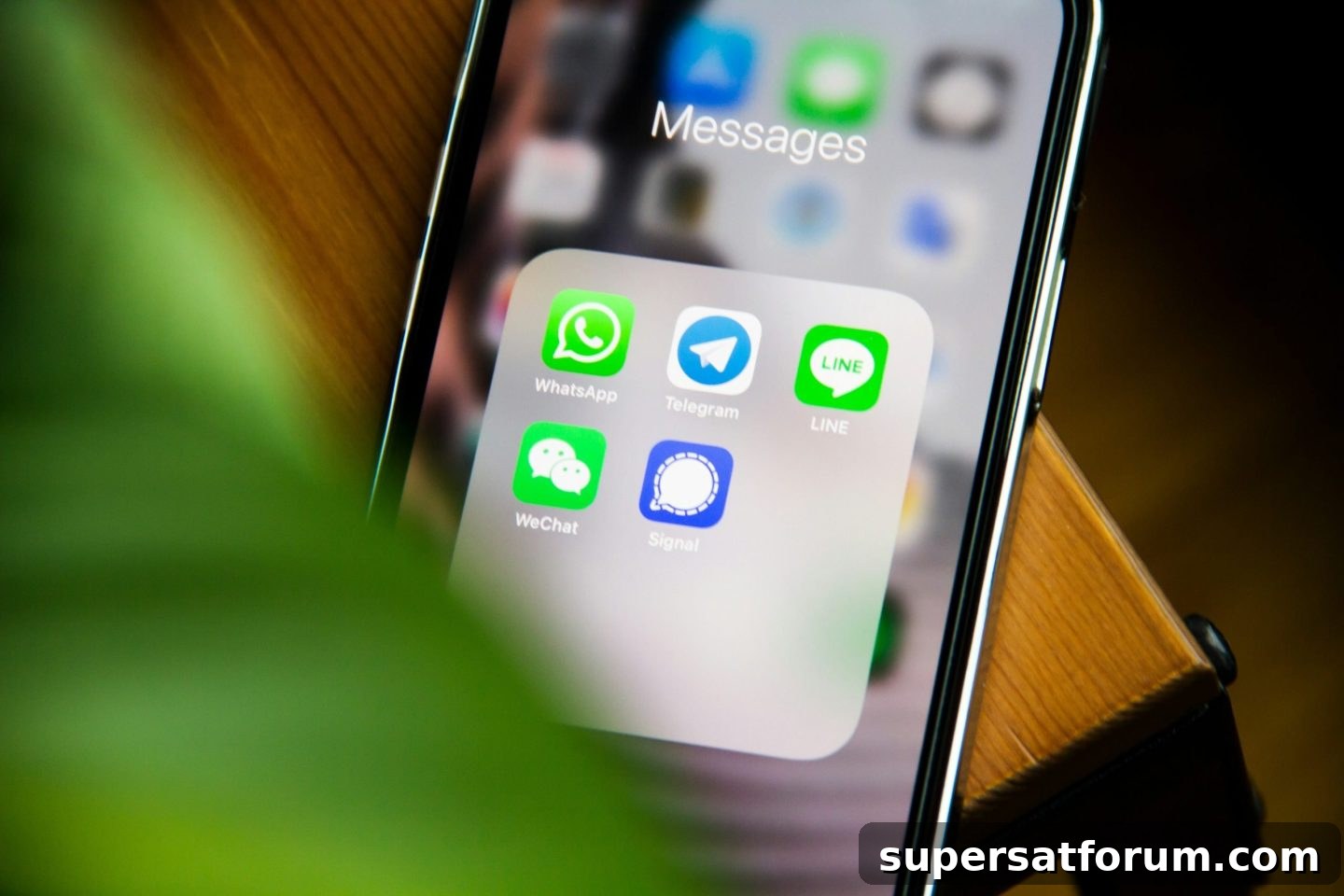
Users of popular messaging platforms Telegram and WhatsApp experienced major access problems in Russia on Wednesday, leaving many unable to send or receive messages during the outage.
Russia’s state communications monitoring service attributed the disruption to a distributed denial-of-service (DDoS) attack, where networks are flooded with malicious traffic from many sources to overwhelm systems and interrupt normal service.
The outage reportedly affected other online services as well, including Wikipedia, Skype and Discord, underscoring persistent challenges in maintaining reliable communications in the country. Authorities said the attack was quickly mitigated and services were restored, but the incident highlighted vulnerabilities in digital infrastructure and prompted debate about the cause.
Notably, major Russian telecom operators — including MegaFon, Rostelecom and VimpelCom — did not report any faults on their networks. That discrepancy complicated the picture: while many users reported they had no internet or messaging access, network operators insisted their systems were functioning normally.
The disruption had an international reach. Reports indicated users in Kazakhstan, Uzbekistan, Serbia and other countries also experienced interruptions, demonstrating how modern digital systems’ interconnectivity can allow a single incident to affect people across regions.
Internet interruptions are not uncommon in Russia, but they frequently serve different purposes: historically, some outages have been used to limit access to Western platforms, often at the direction of authorities. Given that context, the Wednesday disruptions prompted suspicion among analysts and digital-rights advocates that the outage may not have been purely external.
Mikhail Klimarev, director of the Russian Internet Protection Society, publicly suggested the disruptions might reflect government actions rather than an outside attack. Stanislav Shakirov, co-founder and technical director of the digital-rights group Roskomsvoboda, offered a more specific hypothesis: he proposed that attempts by Roskomnadzor to restrict Telegram could have had unintended side effects that disrupted other services.
This incident fits a broader pattern of digital interruptions in Russia, often coinciding with periods of heightened social or political tension. In January, Telegram users experienced similar problems amid protests in Bashkortostan over the imprisonment of blogger and activist Oleg Maksakov. In July, WhatsApp outages in Dagestan were interpreted as local authorities’ efforts to curb the spread of what they described as “calls to participate in extremist actions.”
The relationship between the Russian government and these messaging platforms has long been fraught. Attempts to block Telegram began in 2018 but largely failed to prevent access. Meta Platforms, the parent company of WhatsApp, was designated an “extremist” organization by Russian authorities in 2022; other Meta services such as Facebook and Instagram remain officially banned in Russia, though they are often reachable via virtual private networks (VPNs).
The recent outage follows other digital disruptions in Russia. There have been reports of large-scale issues affecting YouTube availability amid growing government criticism of the platform, and hundreds of Russian users of the secure messenger Signal reported technical problems earlier this month.
See also: Nordic satellites targeted by Russia after Sweden’s NATO accession
Unified Communications is a two-day event taking place in California, London, and Amsterdam that explores the future of workplace collaboration in a digital world. The event is co-located with Digital Transformation Week, IoT Tech Expo, Edge Computing Expo, Intelligent Automation, AI & Big Data Expo, and Cyber Security & Cloud Expo.
Discover other upcoming enterprise technology events and webinars powered by TechForge.