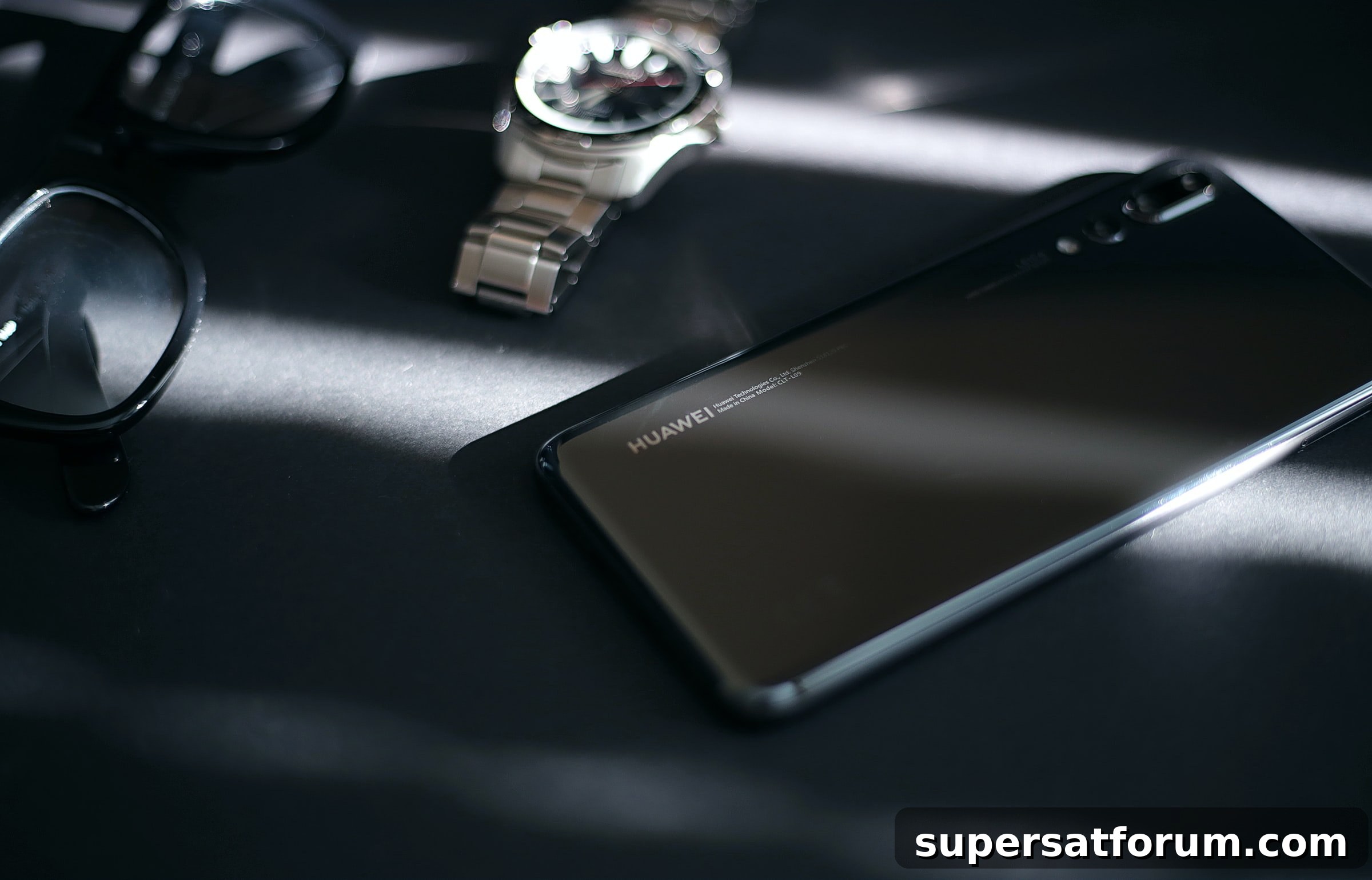
Huawei is the global leader in 5G patents and is now determining how much to charge major smartphone manufacturers like Apple and Samsung to license its valuable intellectual property.
According to industry analysis, Huawei holds the largest share of declared 5G standard essential patents at about 15.39%, followed by Qualcomm (11.24%), ZTE (9.81%), Samsung (9.67%), and Nokia (9.01%). These patent portfolios are central to the rollout and interoperability of 5G technology worldwide.
Reports indicate Huawei has opened negotiations with Apple and Samsung to set royalty rates for use of its 5G patents. Licensing talks of this type can shape handset costs and influence broader industry licensing practices.
Apple has previously been involved in high-profile licensing disputes. In 2019 it settled a long-running legal battle with Qualcomm, after accusing the chipmaker of charging excessively for access to patents Qualcomm asserted were essential to cellular standards. That dispute ended with an out-of-court settlement, and Qualcomm received at least $4.5 billion as part of the resolution.
Given that history, observers are watching to see whether Huawei and Apple will reach a swift agreement or whether negotiations will turn contentious and result in protracted litigation similar to past smartphone patent wars.
Huawei has publicly said it intends to adopt a fair approach to licensing and plans to set rates lower than some other leading 5G patent holders. Jason Ding, head of Huawei’s intellectual property team, stated the company plans to cap per-device royalties at $2.50. If sustained across millions of devices, that cap could still translate into significant annual licensing revenue.
Industry estimates suggest Huawei may collect around $1.2 billion from patent and licensing royalties between 2019 and 2021, reflecting the commercial value of its standard-essential patent portfolio.
Separately, Samsung recently finalized a patent agreement with Nokia that granted Samsung access to Nokia’s innovations in video standards. Such bilateral deals are common in the telecom industry, allowing companies to cross-license technologies and reduce uncertainty over infringement claims.
(Photo by Alex Escu on Unsplash)
Want to hear industry leaders discuss topics like these? Events such as the co-located 5G Expo, IoT Tech Expo, Blockchain Expo, AI & Big Data Expo, and Cyber Security & Cloud Expo bring together experts to debate licensing, standards, and the commercial implications of emerging technologies at conferences held in locations including Silicon Valley, London, and Amsterdam.