Access to radio spectrum influences nearly every long-term decision telecom operators make. It shapes where networks expand, how quickly upgrades occur, and how much investment risk appears on company balance sheets. In Europe, that foundation may be shifting toward greater stability. Draft policy proposals circulating within the European Union indicate a move toward granting operators longer — and in some cases potentially open-ended — rights to use spectrum.
If these proposals advance, they would alter how operators plan and invest in networks. Today, spectrum licences commonly have fixed durations. As those end dates approach, operators face uncertainty over renewal terms, fees, and coverage obligations. That uncertainty frequently factors into investment choices, especially for projects with long payback periods.
Planning networks on shorter clocks
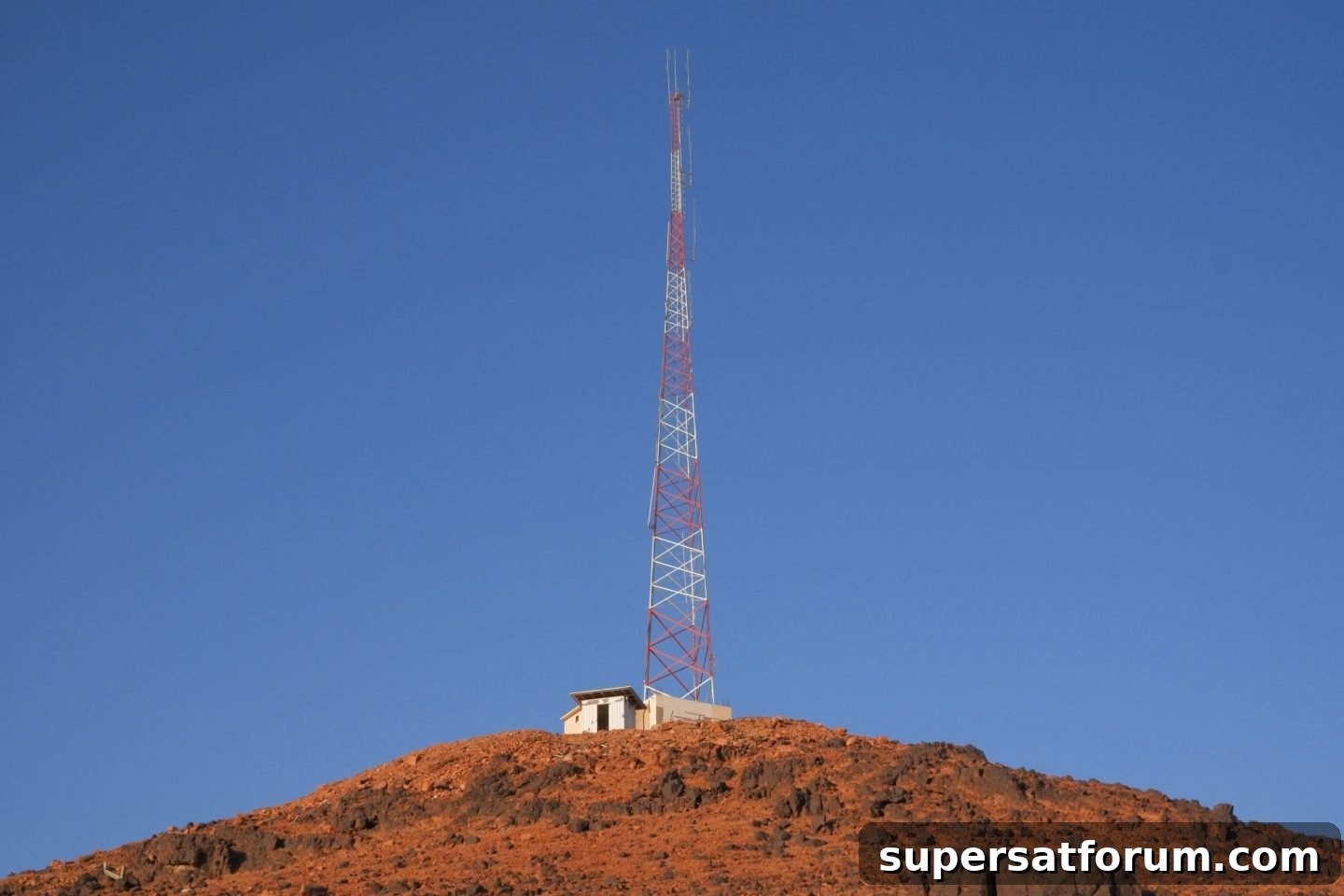
Mobile networks are built to last. Towers, antennas and radio equipment represent long-lived assets that operators often expect to use for decades, while licences are typically shorter. That mismatch complicates planning, particularly outside dense urban markets.
Rural coverage, transport corridors and industrial sites usually deliver slower returns. When operators may lose or have to renegotiate spectrum access mid-investment, they often adopt a cautious stance. Projects can be delayed or scaled back. Extending spectrum rights would not eliminate all challenges, but it could remove a major source of uncertainty.
Under the draft framework, regulators would still set conditions for spectrum use. Coverage requirements, service quality standards and efficient spectrum utilisation would remain central. The key change would be reduced frequency of licence renegotiation, giving operators more predictable continuity.
How longer radio spectrum rights change the role of regulators
Fixed-term licences have long provided regulators with a control mechanism. Auctions and renewals let authorities reassess pricing and competition rules periodically. Moving toward longer or potentially indefinite terms shifts that balance of oversight.
Regulators would need to rely more on continuous supervision rather than episodic reviews. That means regular monitoring to ensure operators meet obligations year after year, not only at licence milestones. For some policymakers, this raises concerns about retaining flexibility, especially in markets where competition is already limited.
Smaller operators and new entrants are central to that debate. Extending long-term spectrum access for incumbent providers could make it harder for challengers to secure capacity. The proposals account for this by preserving regulators’ ability to intervene if spectrum is misused, underutilised or hoarded.
What operators gain from certainty
For operators, the attraction of longer spectrum rights is practical. Network planning must accommodate many unknowns — from energy and equipment costs to supply chain delays. Removing licence renewal risk gives planning teams a firmer foundation for decisions.
Greater clarity could affect upgrade schedules, the timing of new radio site rollouts, and coverage expansions. It can also influence financing: investors tend to view stable, long-term spectrum access as a risk-reducing factor, which can support funding for capital-intensive infrastructure projects.
Longer rights may also encourage deeper network-sharing arrangements. Many European operators already share towers and some radio equipment to control costs. With more predictable spectrum access, cross-operator sharing could expand, especially in regions where building duplicate networks is inefficient.
What changes for users
For end users, immediate effects are unlikely. Network deployment still depends on local permits, backhaul capacity and reliable power. Longer spectrum rights do not by themselves accelerate those practical steps.
Over time, however, improved investment certainty could support more extensive and consistent coverage. Businesses that rely on mobile connectivity for logistics, field operations or private wireless deployments could benefit if operators feel more confident extending services into less commercially attractive areas.
Public services may also gain. Emergency response, transport systems and utilities increasingly depend on mobile networks; better-aligned, stable network planning can help operators prioritise upgrades that support these critical services.
Europe rethinks radio spectrum as long-life infrastructure
The proposals reflect a broader shift in how Europe views spectrum — from a short-term asset that is regularly reallocated to an element of long-life infrastructure more closely aligned with how networks are built and maintained.
Implementation details will matter: national regulators will apply the framework differently, and conditions may vary across countries. Some regulators may adopt the new approach quickly, while others retain tighter controls.
What’s clear is the direction: Europe is reassessing how much certainty operators need to continue investing in mobile networks and how regulators can maintain effective oversight without relying on frequent licence resets.
For telecom operators, the outcome will influence network planning for years. For businesses and consumers, the benefits will depend on whether that regulatory stability translates into broader, more reliable coverage and service — not merely longer licence documents.
(Photo by Imam Abiyyu)

Want to discover how IoT is transforming telecoms and connectivity? Attend the IoT Tech Expo in Amsterdam, California and London to explore developments in 5G, edge computing and IoT that are shaping the future of networks and services. The event is part of TechEx and co-located with other technology conferences.
Telecoms News is powered by TechForge Media. Explore other upcoming enterprise technology events and webinars through TechForge’s events listings.