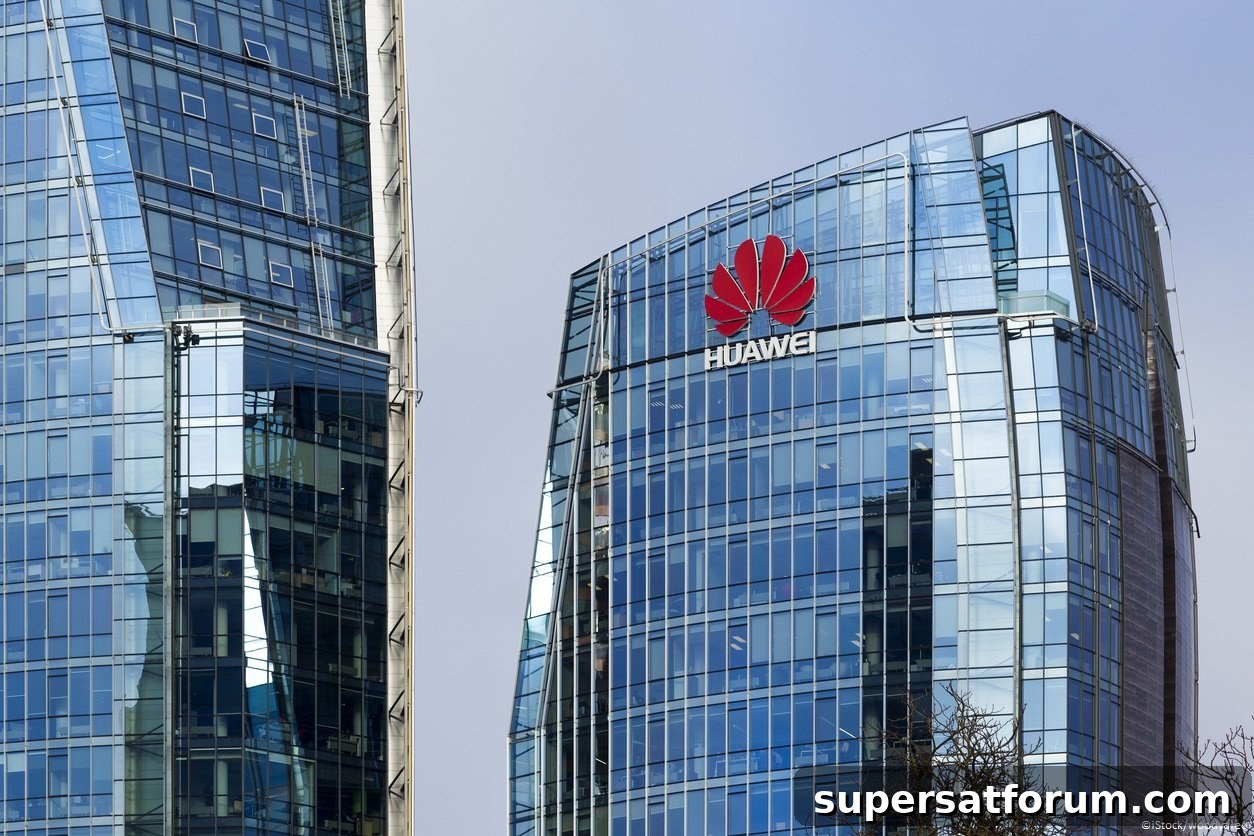
A senior German intelligence official has cautioned against allowing Huawei unrestricted involvement in 5G networks, dimming the vendor’s chances of a broader role across Europe.
Bruno Kahl, head of Germany’s foreign intelligence agency, told a parliamentary committee on Tuesday that critical infrastructure should not be entrusted to a company that cannot be fully trusted. “Infrastructure is not a suitable area for a group that cannot be trusted fully,” Kahl said.
While Kahl did not call for a total exclusion of Huawei from the 5G rollout, he urged that the company be kept away from the “core interests” of German networks. That distinction would permit participation in limited, non-critical segments while shielding vital network functions.
This measured stance reflects similar thinking in the UK, where the previous administration had been reported to favor restricting Huawei to non-core portions of national 5G networks. A committee tasked with making a final decision on Huawei’s role in UK 5G deployment was due to meet this week, but the session has been postponed.
A UK government spokesperson emphasized that the review of the 5G supply chain has been thorough and evidence-driven. “We’ve been clear that the security and resilience of the UK’s telecoms networks is of paramount importance,” the spokesperson said, noting the government’s focus on ensuring a secure and resilient 5G rollout.
Completely banning Huawei’s 5G equipment would be expensive and could slow deployment of next-generation networks across Europe. Many operators on the continent have already started building networks using Huawei gear. Earlier reports found that all four of the UK’s major operators were using Huawei equipment, highlighting the scale of reliance on the vendor among European carriers.
The debate across European capitals centers on whether Huawei presents a genuine national security risk. The United States has taken a firm stance against Huawei and has warned allies that reliance on the vendor could jeopardize intelligence cooperation. Much of this pressure has been focused on the Five Eyes intelligence partners—the US, UK, Australia, New Zealand, and Canada—but Washington also signaled concerns directly to Germany; earlier this year the US ambassador to Berlin warned of potential reductions in security cooperation if Germany allowed deeper Huawei involvement.
Huawei continues to reject claims that it is controlled by the Chinese government, insisting such allegations are unfounded.
Interested in discussions about these topics and related industry trends? Consider attending co-located events that bring together leaders in IoT, blockchain, AI and big data, and cybersecurity and cloud technologies, with conferences taking place in major tech hubs around the world.