FCC commissioners have offered sharply different views on President Trump’s executive order aimed at limiting social networks’ ability to fact-check public posts.
This week, President Trump signed an executive order targeting Section 230 of the Communications Decency Act, the federal protection that shields online platforms from liability for user-generated content. The move was framed as a response to Twitter applying fact-check labels to one of the president’s tweets.
On Tuesday, Trump posted that mail-in ballots would be “substantially fraudulent,” a claim lacking evidentiary support. Twitter added a notice to that tweet indicating the statement was misleading.
Earlier the same day, the president also made unsubstantiated accusations suggesting MSNBC host Joe Scarborough should be investigated in connection with the death of a former staffer. Twitter did not apply the same intervention to that post.
The president reacted strongly to Twitter’s decision to flag one of his tweets as problematic, arguing that he and other conservatives are being unfairly targeted. In a public message he asserted social networks are biased against Republicans and called for Section 230 to be revoked or more strictly regulated.
Twitter is doing nothing about all of the lies & propaganda being put out by China or the Radical Left Democrat Party. They have targeted Republicans, Conservatives & the President of the United States. Section 230 should be revoked by Congress. Until then, it will be regulated!
— Donald J. Trump (@realDonaldTrump) May 29, 2020
It’s important to note that Twitter did not remove the president’s tweet; it appended context and warnings about the content. Critics argue that the executive order amounts to an attempt to restrict platforms’ editorial choices and could chill their own speech decisions.
The order has sparked a contentious debate across political and regulatory spheres, including within the Federal Communications Commission. FCC Democratic Commissioner Jessica Rosenworcel condemned the proposal, saying it “does not work,” while Republican Commissioner Brendan Carr backed the initiative, suggesting it “makes sense.”
If the draft executive order takes effect as written, the FCC would be asked to adjudicate complaints alleging political bias by social media platforms — a significant expansion of the agency’s role into content moderation disputes.
“Social media can be frustrating. But an Executive Order that would turn the Federal Communications Commission into the President’s speech police is not the answer,” Rosenworcel said in a Thursday statement. “It’s time for those in Washington to speak up for the First Amendment. History won’t be kind to silence.”
Evaluating the factual accuracy of everything posted online would be a massive, practically impossible undertaking — particularly if handled impartially. Enforcement would likely focus on high-profile accounts, leaving unanswered questions about how to ensure consistent, nonpartisan application.
In public remarks to CNBC’s Andrew Ross Sorkin, Facebook CEO Mark Zuckerberg took a different stance: “I don’t think that Facebook or internet platforms in general should be arbiters of truth,” he said, arguing that political speech is especially sensitive and that people should easily see what politicians say.
The debate intensified when President Trump weighed in on the Minneapolis unrest following the murder of George Floyd, tweeting that the military was “with” the governor and warning “when the looting starts, the shooting starts.” Twitter placed a visibility restriction on that tweet, stating it violated rules against glorifying violence, but left it accessible with a public-interest notice.
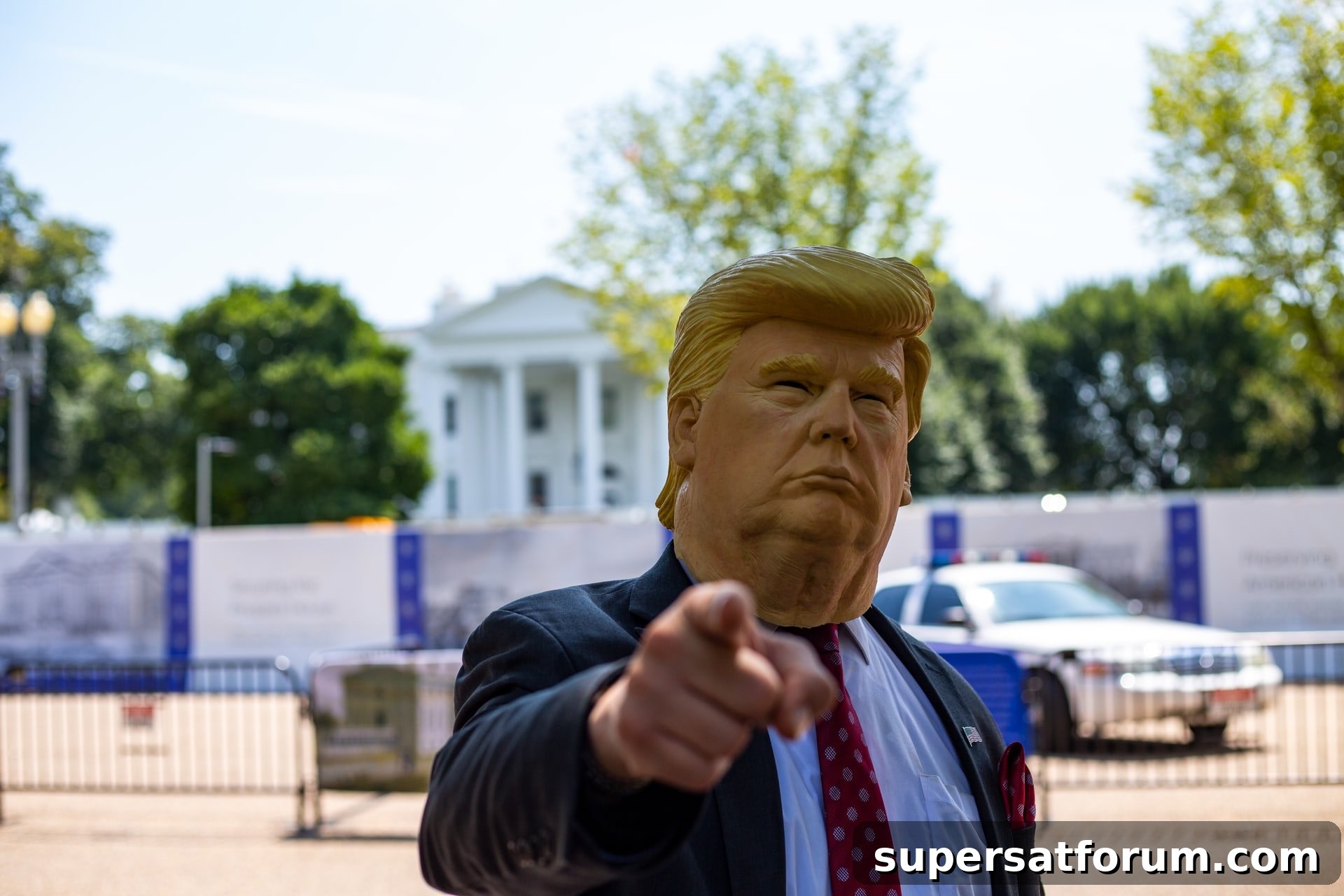
(Photo by Darren Halstead on Unsplash)
Interested in hearing industry leaders discuss subjects like this? Consider attending co-located events such as the 5G Expo, IoT Tech Expo, Blockchain Expo, AI & Big Data Expo, and Cyber Security & Cloud Expo, which take place in cities including Silicon Valley, London, and Amsterdam and explore the intersection of technology, policy, and industry trends.