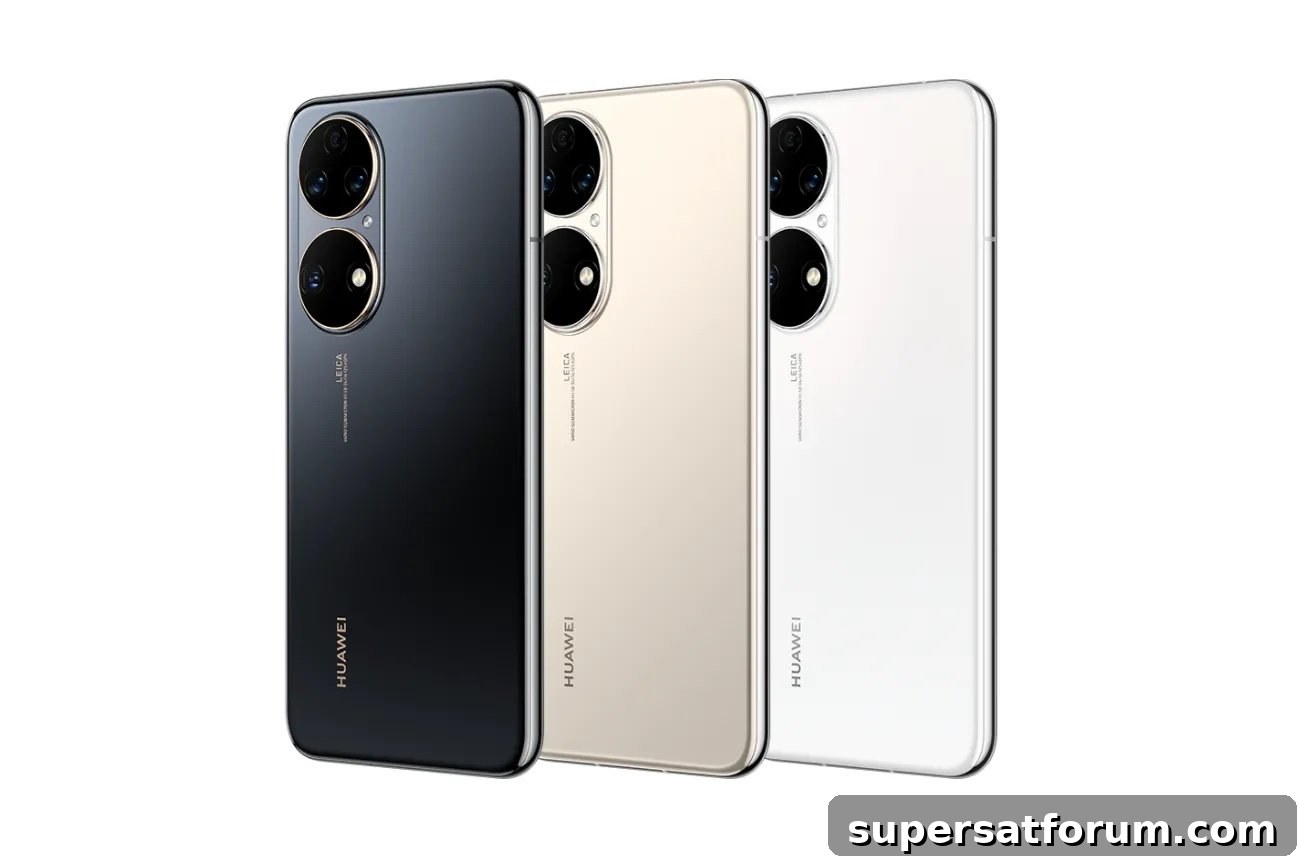
A tipster says Qualcomm plans to offer more 4G-only versions of its flagship chips, a move that could allow Huawei to work around current U.S. sanctions.
Huawei remains on a U.S. sanctions list that restricts its access to many American technologies, particularly components and modules related to 5G. Those restrictions have also hindered Huawei’s ability to produce its own Kirin processors at scale.
Qualcomm’s latest chips typically include integrated 5G modems, leaving Huawei — historically a significant Qualcomm partner — unable to use those full-featured parts under the present rules.
According to the source, Qualcomm will produce a 4G-only variant of the Snapdragon 778G, removing the integrated 5G modem so the chip can be used in handsets that must avoid U.S.-controlled 5G technology. That 4G-only version is expected to appear in Huawei’s upcoming Nova 9 series, which is due to be announced this month.
The Snapdragon 778G targets the mid-range market, and many buyers may not be significantly affected by the lack of 5G given the current stage of network rollout in some regions.
More notably, the tipster claims Qualcomm will also offer a 4G-only variant of the flagship Snapdragon 898. The 898 is anticipated to be built on a 4nm process with a next-generation Adreno 730 GPU and, in its full configuration, would include Qualcomm’s X65 5G modem capable of extremely high theoretical speeds. The 4G-only SKU would omit that modem.
Earlier this year Huawei used a 4G-only Snapdragon 888 in its P50 flagship. At that phone’s launch, Huawei Consumer Business CEO Richard Yu explained that U.S. sanctions made 5G-capable phones impractical for the company, saying they had to “go with 4G by removing the 5G module from our chip design.”
The P50 series also marked one of the first major launches to ship with Huawei’s HarmonyOS, due in part to limited access to Google services. HarmonyOS is widely reported to be derived from Android’s open-source codebase, adapted by Huawei to meet its needs.
Qualcomm’s move takes advantage of a legal pathway to supply advanced processing hardware without the bundled 5G components that fall under U.S. export controls. How long that pathway will remain available depends on future policy decisions and export-control changes.
The current U.S. administration has maintained a firm approach toward China, and those policies have affected companies like Huawei, which some observers view as collateral in broader geopolitical tensions rather than direct security threats in themselves.
Beyond policy considerations, demand uncertainty remains: it’s unclear whether consumers will accept high-end phones that lack 5G as markets increasingly shift toward next-generation connectivity.
(Image Credit: Huawei)
Find out more about Digital Transformation Week North America, taking place on November 9–10, 2021, a virtual event exploring advanced digital transformation strategies for a “digital everything” world.