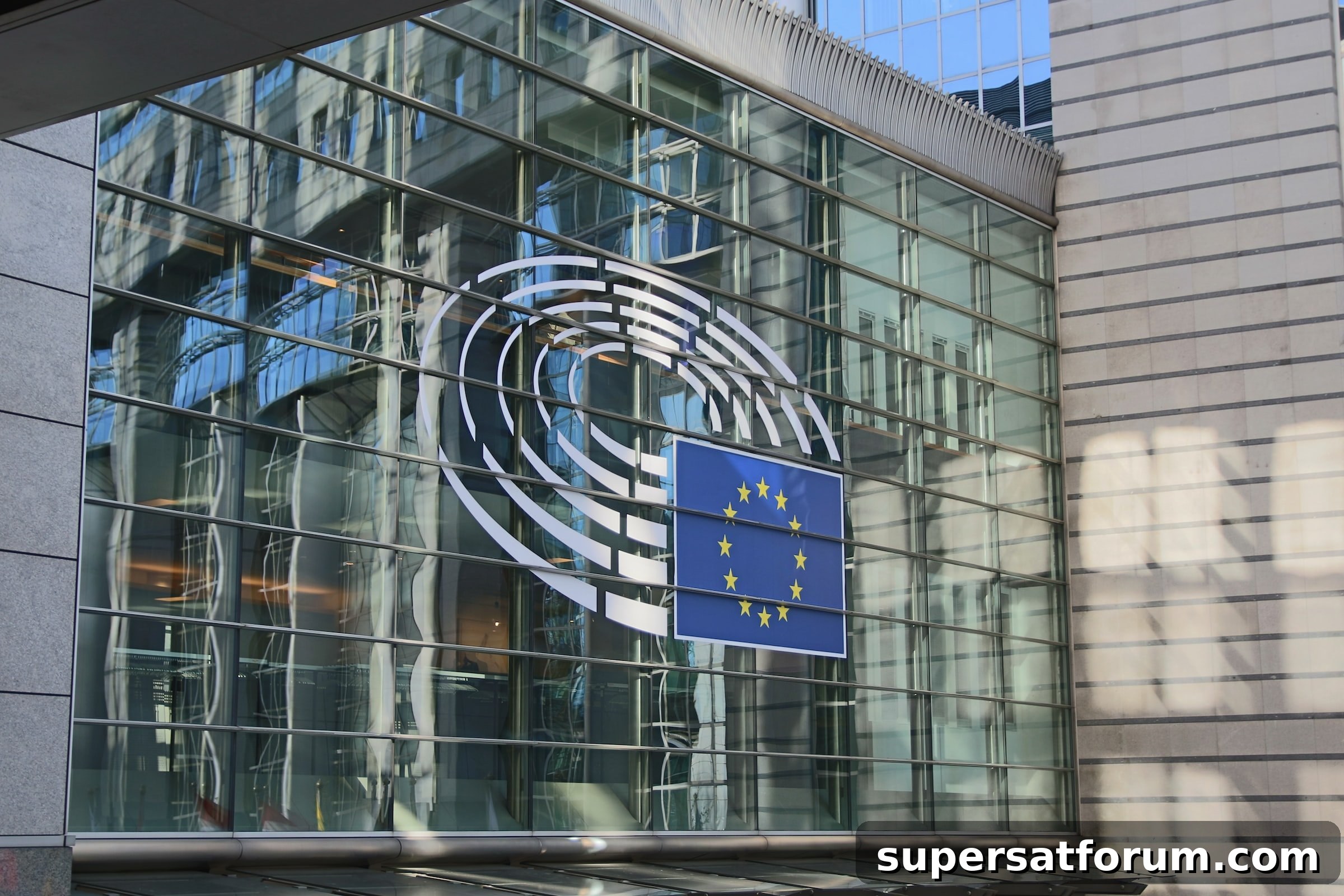
Pro-Kremlin hacking collective KILLNET launched a sophisticated cyberattack against the European Parliament’s website following the Parliament’s decision to designate Russia as a state sponsor of terrorism.
The @Europarl_EN is under a sophisticated cyberattack. A pro-Kremlin group has claimed responsibility.
Our IT experts are pushing back against it & protecting our systems.
This, after we proclaimed Russia as a State-sponsor of terrorism.
My response: #SlavaUkraini
— Roberta Metsola (@EP_President) November 23, 2022
For several hours, users could not access the Parliament’s public website and certain functionalities were disrupted. IT teams worked to mitigate the incident, and public access has since been restored.
KILLNET publicly claimed responsibility via its Telegram channel, following the group’s established pattern of announcing politically motivated distributed denial-of-service (DDoS) attacks.
KILLNET has been associated with multiple politically driven cyber campaigns, including attempts targeting government sites in the United States. The group’s activities form part of a broader trend of state-aligned and state-tolerated cyber operations tied to geopolitical events.
On the day Russia launched its full-scale invasion of Ukraine, pro-Kremlin hackers carried out an operation against satellite operator Viasat that disrupted Ukrainian communications; collateral effects reportedly impacted wind turbines in Germany. That incident highlighted how cyberattacks aimed at one country can have unintended cross-border consequences.
In response to rising threats, the Five Eyes intelligence alliance issued a joint cybersecurity advisory warning of increased Russian attacks on critical infrastructure. The advisory emphasized that operations may focus on countries supporting Ukraine, particularly those supplying conventional arms.
Russia’s invasion also accelerated shifts in European security policy: Sweden and Finland moved to join NATO, and NATO’s Cooperative Cyber Defence Centre of Excellence (CCDCOE) expanded to include more partners beyond the alliance. These moves reflect an effort to coordinate defenses against growing cyber risks.
Recent CCDCOE membership changes include Japan joining the centre in November. Earlier in the year, South Korea, Luxembourg, and Canada also became members, and Ukraine was accepted as a contributing participant following a unanimous vote in March. These additions underscore the increasing importance of international collaboration on cyber defense.
The attack on the European Parliament had limited operational impact but serves as a reminder of the elevated cyber threat environment. Strengthening cooperative institutions and information-sharing arrangements like the CCDCOE will be essential for anticipating and countering evolving cyber threats.
(Photo by Guillaume Périgois on Unsplash)
Interested in cybersecurity and cloud topics from industry experts? Learn more about Cyber Security & Cloud Expo, which takes place in Amsterdam, California, and London.
Find other upcoming enterprise technology events and webinars organized by TechForge through their events listings.