A report from Opensignal finds that mobile users in Singapore are experiencing faster download speeds on 5G than on their home WiFi networks.
Singapore’s first 5G services launched in the second half of 2020, during the COVID-19 pandemic. Like many elsewhere, residents have spent more time at home relying on fibre broadband than on mobile data, but recent measurements indicate 5G is closing the gap—and in many cases surpassing—home WiFi performance.
Opensignal measured average download speeds for its Singapore users and found 5G delivered an average of 179.6 Mbps, compared with 120.9 Mbps on WiFi.
On average, that represents roughly 48.6% faster download speeds over 5G than over WiFi for Opensignal’s sample of Singaporean users.
Beyond raw speed, 5G is promoted as a viable home broadband alternative because it typically offers lower latency than previous cellular generations. Lower latency benefits latency-sensitive applications such as cloud gaming and multiplayer titles that 4G networks sometimes struggled to support smoothly.
Opensignal also assessed gaming performance across WiFi, 5G, 4G and 3G using a Games Experience score that ranges from 0 to 100. This metric evaluates how network conditions—latency, jitter and packet loss—affect multiplayer mobile gaming.
In that comparison, WiFi narrowly led with a Games Experience score of 88.7, while 5G followed closely at 88.3. Both scores fall in the “Excellent” range.
4G achieved a “Good” score of 81.3, whereas 3G performed poorly with a score of 63.4, well below acceptable thresholds for modern multiplayer gaming.
Sam Fenwick, Senior Analyst at Opensignal, summarized the findings in a company blog post, noting that 5G’s arrival means cellular connections are not always inferior to WiFi. He emphasized that average 5G download speeds now exceed WiFi in Singapore and that 5G gaming performance is comparable to WiFi. Fenwick also pointed out that WiFi remains important—especially for backing up files and downloading large apps, due to the typically lower cost of home broadband compared with mobile data. He added that 5G coverage still needs to expand: Singaporean users in Opensignal’s study spent just 9.7% of their time connected to 5G during the 90 days ending 29 October.
Despite these gains, Singapore’s 5G performance trails many other nations. In Opensignal’s global 5G benchmarking published in November, Singapore did not rank among the top 15 markets for overall 5G experience.
In countries with stronger 5G deployments, users may experience even greater advantages from the latest mobile networks compared with WiFi. At the same time, both WiFi and 5G continue to evolve—advances such as WiFi 6 and the rollout of 5G Standalone (5G SA) will influence future performance and user experience.
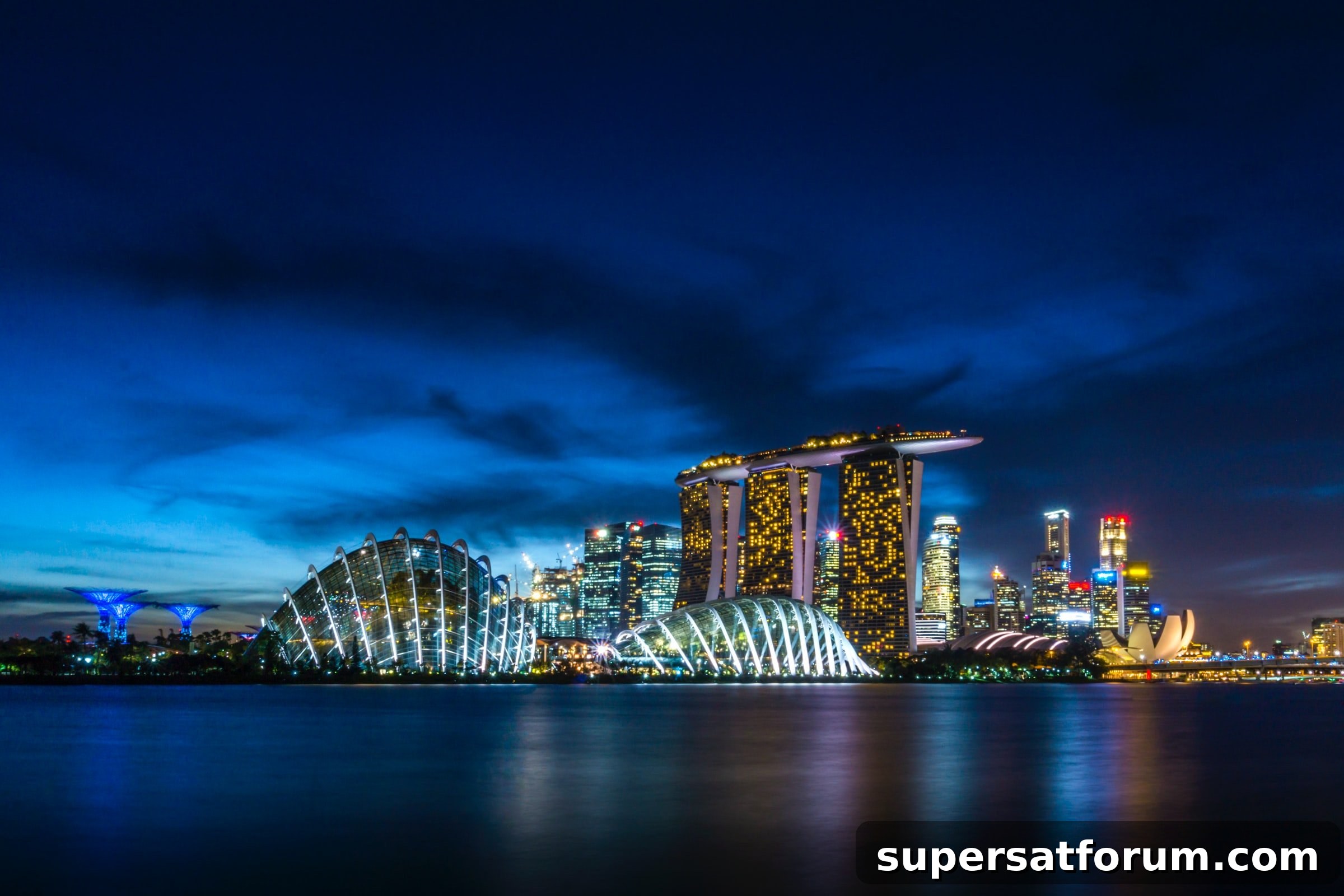
(Photo by Mike Enerio on Unsplash)
Interested in learning more about 5G and the opportunities it creates for industry? Consider attending sector events and expos that bring together experts and vendors to discuss deployment, use cases and emerging technologies in 5G.