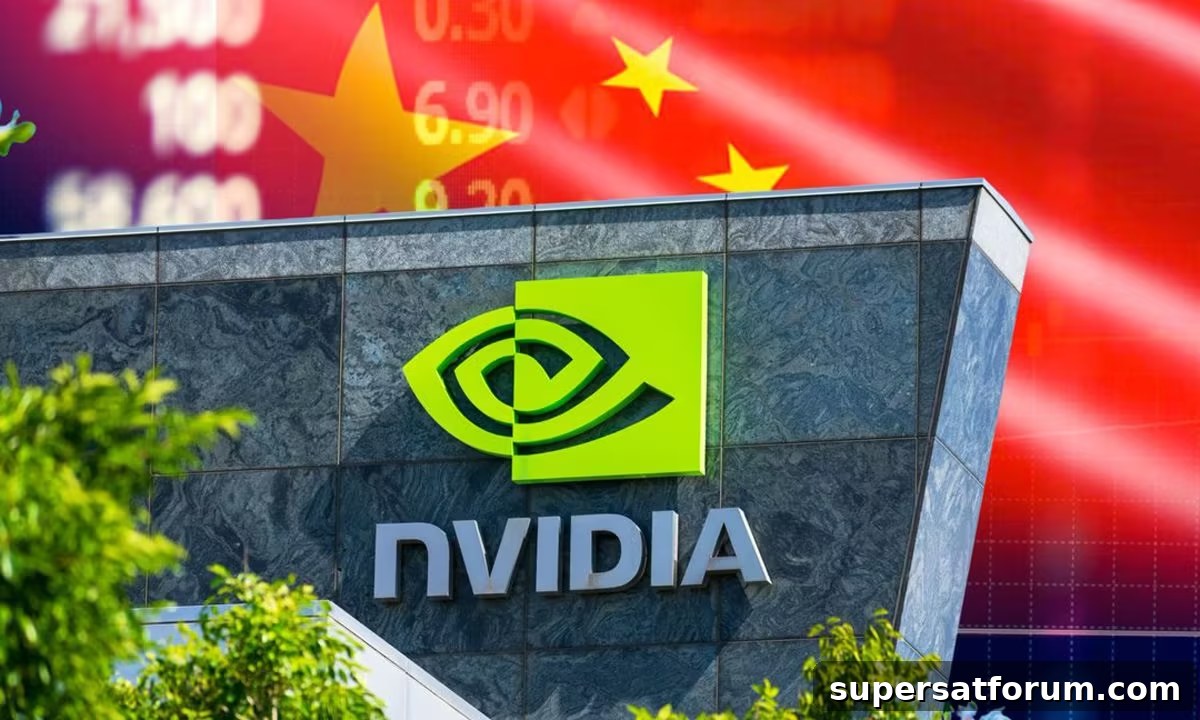
Nvidia CEO Jensen Huang says the company has received approval from the Trump administration to apply for licenses to sell its advanced H20 computer chips used in developing artificial intelligence to China.
The announcement was posted on Nvidia’s company blog late Monday, stating that the U.S. government had “assured” the company that licenses would be granted and that Nvidia “hopes to begin shipments soon.” Shares of the California-based chipmaker rose more than 4% by Tuesday midday.
Huang discussed the move during an interview broadcast on China’s state TV network CGTN, and his remarks were shared on X.
“Today I announce that the U.S. government has approved for us to apply for licenses to begin delivering H20 systems,” Huang told reporters in Beijing.
He noted that half of the world’s AI researchers are in China and described the Chinese market as highly innovative and dynamic. “It’s very important that American companies can compete and serve the market here,” he said.
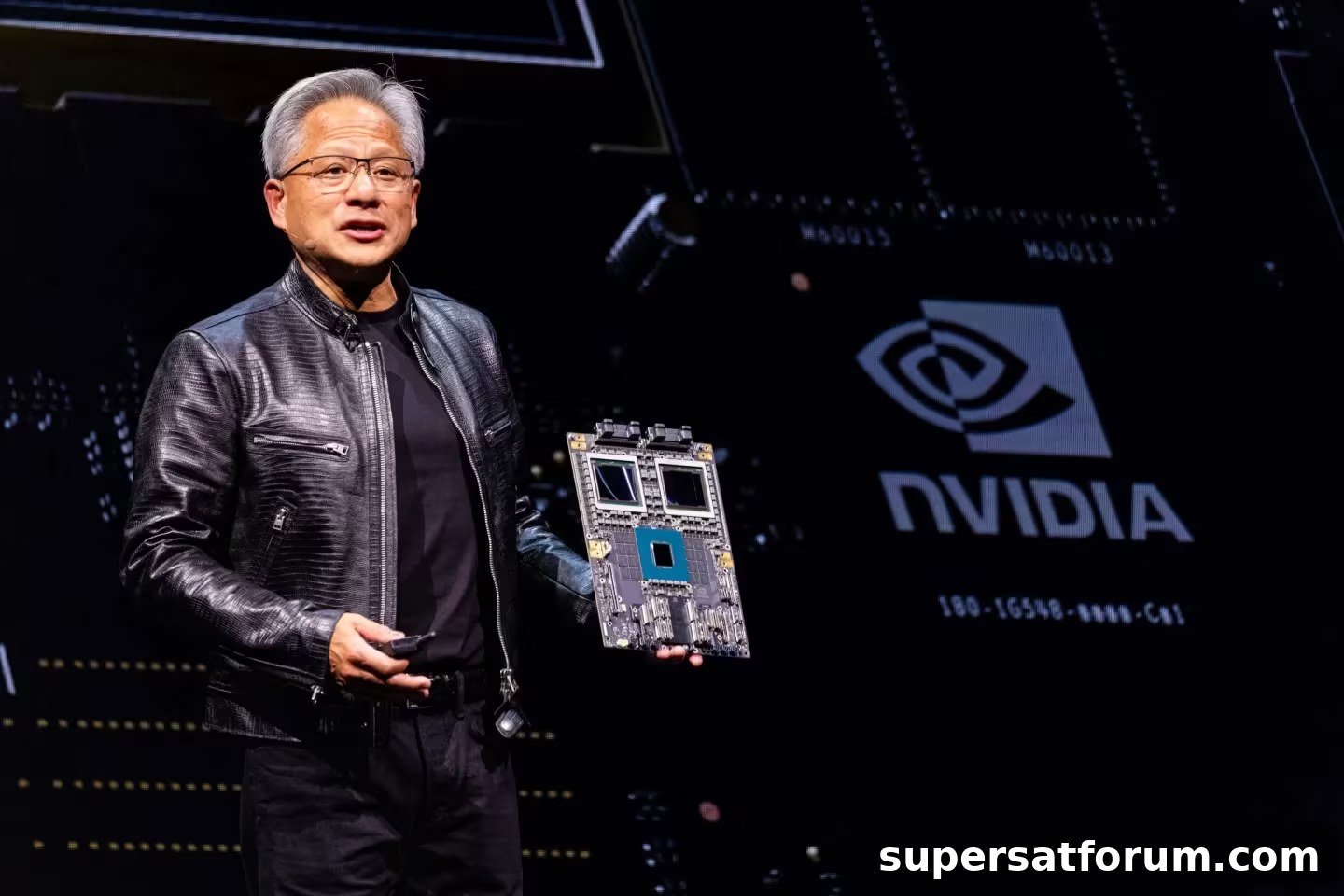
Huang recently met with President Donald Trump and other U.S. officials and is in Beijing this week to attend a supply chain conference and meet with Chinese authorities. The broadcast showed Huang meeting Ren Hongbin, head of the China Council for the Promotion of International Trade, which hosts the China International Supply Chain Expo where Nvidia is an exhibitor.
Nvidia has benefited enormously from the rapid adoption of AI technologies and last week became the first publicly traded company with a market value exceeding $4 trillion. Yet trade tensions between the U.S. and China have cast a long shadow over the industry.
What is Nvidia’s H20 chip?
The H20 graphics processing unit (GPU) is a high-performance AI chip used to build and train a range of AI systems, though it is less powerful than Nvidia’s most advanced semiconductors available today.
The H20 was specifically developed to comply with U.S. export controls on AI chips destined for China. Nvidia’s top-of-the-line chips that deliver greater computing power remain prohibited from the Chinese market under those restrictions.
For years, Washington has tightened controls on exports of advanced technology to China, citing concerns that tools intended for civilian use could be repurposed for military applications. In January, prior to Trump’s second term, the Biden administration rolled out a framework aimed at balancing national security risks with economic concerns for producers and partner countries by limiting exports of advanced chips used for AI development.
Restrictions on selling advanced chips to China have been central to the AI rivalry between the world’s two largest economies, but they are debated. Supporters argue these limits are necessary to slow China enough for U.S. companies to maintain leadership, while critics say export controls contain loopholes and can spur innovation abroad. The appearance of China’s DeepSeek AI chatbot earlier this year renewed concerns that advanced chips could accelerate Beijing’s domestic AI capabilities.
What changed since Trump took office?
In April, the White House announced limits on sales of Nvidia’s H20 chips to China, as well as AMD’s MI308 chips, citing national security. At that time, Nvidia said the tighter export controls would cost the company an additional $5.5 billion. Huang and other tech leaders have lobbied the administration to roll back the measures, arguing they hinder U.S. competitiveness in a major global technology market and risk pushing other countries toward Chinese AI solutions.
Monday’s Nvidia announcement indicates that lobbying may have made headway. White House AI and crypto adviser David Sacks told Bloomberg that allowing Nvidia to resume selling H20 chips in China could help the U.S. compete more effectively overseas, particularly against Chinese firms such as Huawei Technologies.
Trade Secretary Howard Lutnick told CNBC that the renewed H20 chip sales were tied to a trade arrangement between the two countries on rare earth minerals, and said the administration adjusted course from April’s restrictions because the U.S. is still not exporting its “best” technologies to China.
Nevertheless, calls for strict export controls on advanced chips persist among U.S. lawmakers on both sides of the aisle. Senators including Elizabeth Warren and Jim Banks recently wrote to Huang stressing that hardware powering advanced AI is of “enormous strategic significance,” warning that unfettered exports could accelerate China’s military modernization. Legislators have also proposed measures to track restricted chips to prevent them from being diverted to unauthorized users.
Beyond export controls, Nvidia and other tech firms have been swept up in trade disputes and tariff battles. Still, Beijing and Washington recently agreed to roll back certain non-tariff restrictions: China approved exports of some rare earths to the U.S., while the U.S. removed limits on chip-design software and some jet engine technologies.
Nvidia and its CEO have also gained favor with the Trump administration. In April, the company announced plans to manufacture certain AI chips in the U.S. for the first time, with more than a million square feet of production and testing space planned for Blackwell chips in Arizona and AI supercomputers in Texas. Trump praised Nvidia’s move and introduced Huang at a White House “Investing in America” event, calling him a “smart cookie” for helping create U.S. jobs.
Like Nvidia, AMD is preparing to resume sales of its MI308 chips to China. The California-based company told several news outlets that the Commerce Department is processing license applications for those exports and that AMD plans to resume shipments once licenses are approved.