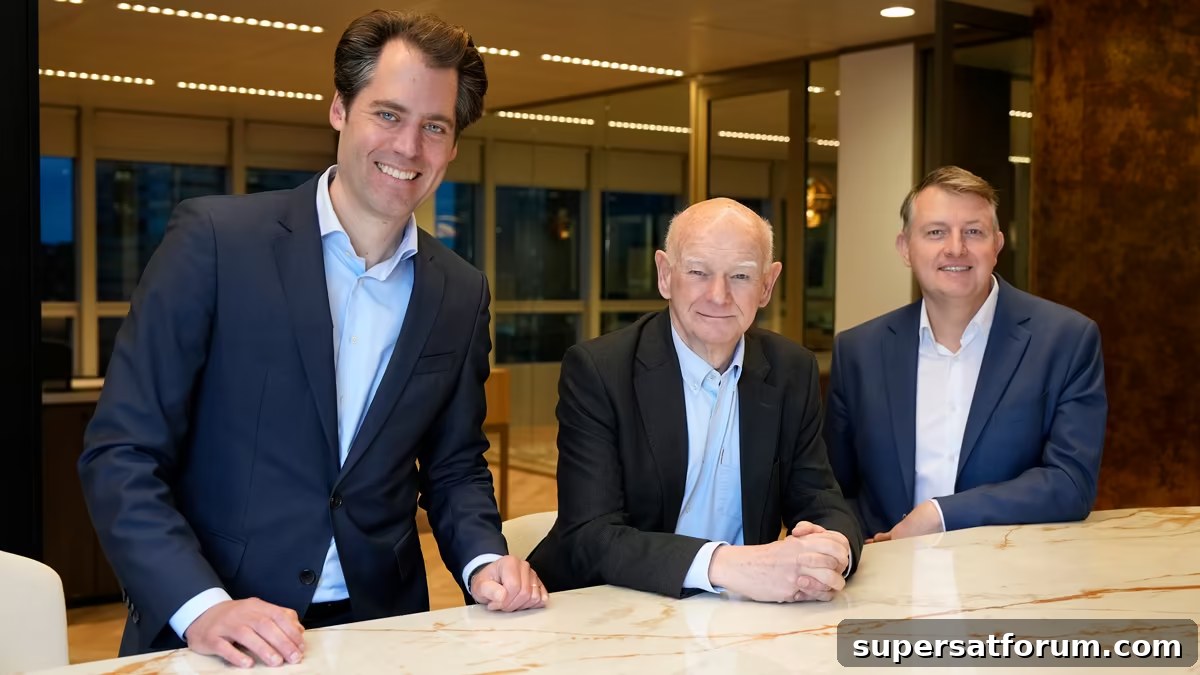
Qivalis euro stablecoin is being prepared for launch in the second half of 2026. Qivalis, the Amsterdam-based company, is working toward MiCAR compliance and authorization from the Dutch central bank as an Electronic Money Institution.
Europe’s largest banks build a shared stablecoin infrastructure
The initiative has drawn broad support across Europe. On 25 September 2025, nine of Europe’s largest banks announced they would join forces to create a regulated stablecoin issuer under the supervision of the Dutch central bank. These banks are Banca Sella, CaixaBank, Danske Bank, DekaBank, ING, KBC, Raiffeisen Bank International, SEB and UniCredit. On 1 December, BNP Paribas joined the consortium, further strengthening the effort.
Official establishment and governance structure revealed
With formal establishment completed, the name Qivalis and the company’s leadership and governance structure have now been announced. This milestone demonstrates that Europe’s leading financial institutions are taking concrete steps to build a secure, regulated digital ecosystem grounded in clear rules and shared credibility.
Seasoned leadership appointed to steer Qivalis
An experienced leadership team has been appointed to guide Qivalis from regulatory approval to commercial launch. Jan Oliver Sell has been named Chief Executive Officer. He brings significant experience in digital assets, fintech and traditional finance. As Managing Director at Coinbase Germany, he secured the first crypto custody license ever issued by the German regulator BaFin. He has also held senior roles at Binance and iFunded, and spent eighteen years in senior positions within asset management in London.
Floris Lugt becomes CFO and Sir Howard Davies to chair supervisory board
At the executive level, Floris Lugt joins as Chief Financial Officer. He previously led Digital Assets Wholesale Banking at ING and has a background in treasury and financial risk management at ING and ING France.
Sir Howard Davies has been appointed chairman of Qivalis’s supervisory board. A prominent British banker and regulator, his career includes serving as the first chairman of the Financial Services Authority, director of the London School of Economics and chairman of RBS. He has also served as deputy governor of the Bank of England and director-general of the CBI. He was knighted in 1999 for services to financial regulation.
All appointments are subject to regulatory approval.
Qivalis calls euro stablecoin a historic milestone
According to CEO Jan Oliver Sell, the launch of a euro-denominated stablecoin backed by a European banking consortium marks a turning point for digital commerce and financial innovation in Europe. He emphasizes that a native euro stablecoin is not just a convenience but a step toward European monetary autonomy in the digital era. It will enable businesses, fintechs, small and medium enterprises and consumers to use digital payments and digital assets in a stable, trusted currency.
Launch planned for the second half of 2026
With its governance structure in place, Qivalis is now advancing toward regulatory approval and preparing commercial operations for a launch in the second half of 2026. The goal is to introduce a secure, fully regulated digital payment instrument built on blockchain technology that supports the next generation of financial services.
Focus on cross-border payments and digital assets
The euro-denominated stablecoin is intended to provide round-the-clock access to efficient cross-border payments, support programmable payments, improve supply chain processes and accelerate settlement of digital assets. It will also be available for tokenized assets and cryptocurrencies, enabling near-instant and cost-effective payments and settlements.
European digital infrastructure with emphasis on stability and regulation
Sir Howard Davies highlights the strategic importance of the project, noting that Europe needs this kind of infrastructure to remain competitive in the global digital economy while preserving economic independence. He says Qivalis aims not only to build modern payment rails but also to ensure European values such as data protection, financial stability and clear regulation are embedded in the digital currencies of the future.
Consortium open to additional banks
The consortium behind Qivalis is open to more banks joining. The shared ambition is to drive innovation in payments, settlement processes and the broader ecosystem for tokenized and digital assets, with transparency, security and accountability at its core.
Ongoing preparations ahead of launch
Qivalis has targeted a launch in the second half of 2026. Over the coming months the company will continue regulatory engagement while focusing on operational and technical readiness for commercial rollout.