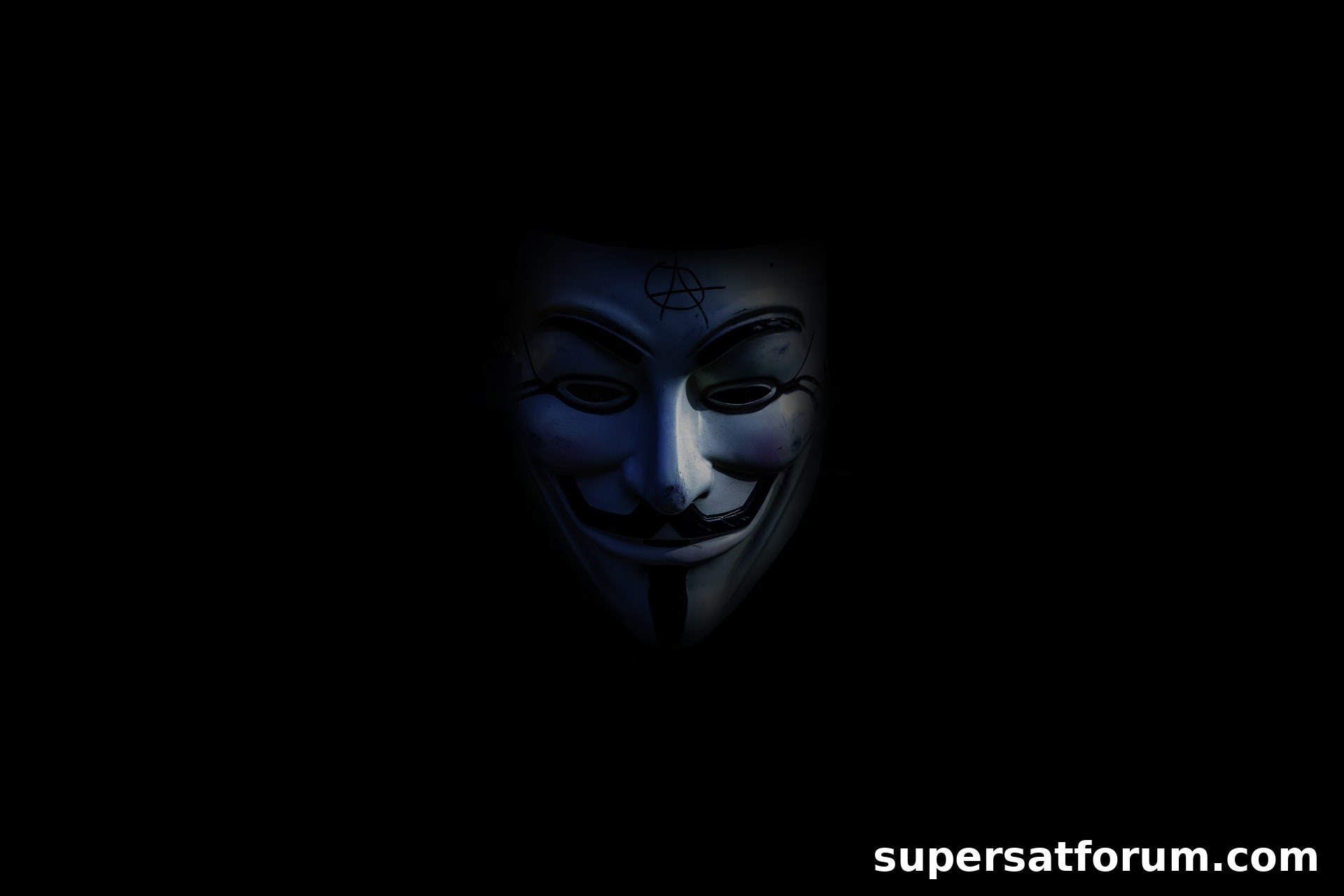
The hacker collective known as Anonymous has resurfaced amid widespread protests sparked by the death of George Floyd.
George Floyd, an unarmed Black man, died after a Minneapolis police officer pressed a knee into his neck until he went into cardiac arrest. The officer faces a charge of third-degree murder. Floyd’s death has prompted protests across the United States and around the world, highlighting persistent concerns about police brutality and racial injustice.
Once frequently in the headlines for its “hacktivism,” the loosely organized group had been relatively quiet in recent years. In response to the outrage over Floyd’s death, Anonymous said it would return to expose what it described as the “many crimes” of the Minneapolis Police Department.
One of the group’s initial actions was to take the Minneapolis Police Department’s website offline through a Distributed Denial of Service (DDoS) attack, a common tactic that floods servers with traffic until they become unresponsive.
Reports have also circulated of a database containing email addresses and passwords allegedly taken from Minneapolis police systems. While the data has been linked to Anonymous by some sources, authorities have not confirmed a breach of the department’s servers.
Website defacement has long been among Anonymous’s signature tactics. The group’s emblem recently appeared on a United Nations agency website that had been altered to display a memorial to George Floyd, including his photograph and the message, “Rest In Power, George Floyd!”
Historically, Anonymous has targeted organizations and groups it accuses of racial discrimination. The collective once announced a campaign against the Ku Klux Klan and published personal details of individuals it identified as Klan members.
The group’s actions have not been uniformly aligned with civil rights movements. In a controversial episode, alleged members of Anonymous targeted the Black Lives Matter movement, undertaking a months-long campaign they claimed was a response to what they described as “anti-white racism.”
Although less visible in recent years, Anonymous’s resurgence in this period of global protest demonstrates that the group remains capable of organizing online actions. Its symbolic imagery, including the Guy Fawkes masks popularized by the film V for Vendetta, continues to be associated with broader movements against perceived injustice.
(Photo by Tarik Haiga on Unsplash)
Interested in hearing industry leaders discuss related topics? Consider attending co-located technology events such as 5G Expo, IoT Tech Expo, Blockchain Expo, AI & Big Data Expo, and Cyber Security & Cloud Expo, which hold conferences in major hubs including Silicon Valley, London, and Amsterdam.