The era of hosting events without a clear purpose is over. A new report from Lyyti, which analyzed more than 91,000 events, shows this clearly. The report highlights five trends that will shape what successful events look like in 2026.
Events are not disappearing, but the way they are designed, executed and evaluated is changing. Lyyti’s new report “Event Trends 2026” shows the industry is shifting away from large, traditional gatherings toward greater focus, precise timing and measurable outcomes.

The report draws on survey responses from event organizers and aggregated event data, and highlights five trends expected to determine successful events in 2026.
The first trend is a clear move toward smaller, more targeted events, particularly in B2B. In 2025 more than 92 percent of events had fewer than 100 attendees, confirming that intimate formats are no longer niche but the norm. Rather than trying to reach a broad audience, organizers deliberately narrow their target group to drive deeper engagement and clearer outcomes.
“We see that clear focus has become a competitive advantage. Companies and organizations host fewer events but invest much more in relevance and quality. When audiences are selective, it is more important than ever to be explicit about who the event is for,” says Petri Hollmén, founder and CEO of Lyyti.
The second trend marks the end of the live-versus-online debate. Instead of choosing format based on habit or trends, organizers select formats based on purpose. Live events remain vital for building relationships and trust; online events are valued for reach and efficiency; hybrid formats play a strategic role when flexibility and accessibility matter. The most effective event strategies now combine formats, each with a clearly defined role.
Timing is the third major trend and an increasingly important differentiator. As the total number of events grows, timing can matter as much as content. Lyyti’s data reveal clear patterns: midweek events continue to dominate, but competition is fiercest in traditional time slots. Midweek mornings may feel like the “safe” choice, yet they are also the most crowded. A well-timed event reflects the audience’s current needs rather than following convention.
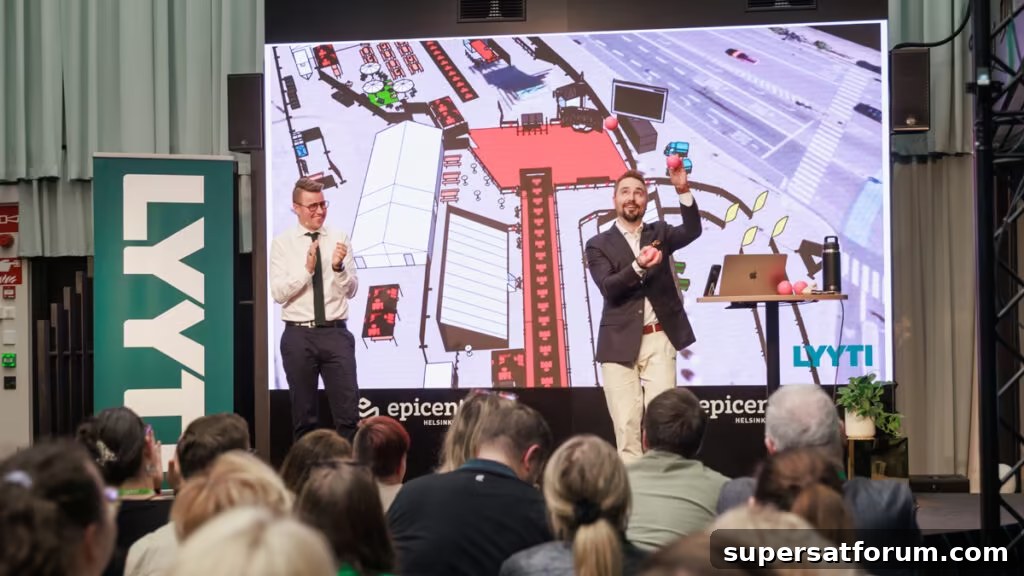
In 2025 online events performed especially well in months like October, when average attendance far exceeded other periods. July proved challenging across formats, with significantly lower attendance per event. After-work events are growing in popularity, and events starting between 17:00 and 19:00 showed the strongest year-on-year growth. The data suggest organizers who actively question standardized scheduling patterns rather than following them are better positioned to capture attention in crowded calendars.
“Timing is no longer a minor detail; it’s a decisive choice that demands careful consideration. In 2026, organizers who understand when their audience is actually willing to show up — and who dare to challenge standard schedules — will have a clear advantage,” explains Petri Hollmén.
The fourth trend concerns how results are measured. Counting registrations alone is losing importance and is being replaced by metrics such as attendance, presence and engagement. Despite millions of registrations, the data show a gap between intent and actual participation, underscoring the need for clear communication, reminders and follow-up to convert registrations into real attendance.
The fifth trend is that event technology is becoming core infrastructure rather than just a support tool. As events consume a significant share of marketing and sales budgets, leadership expects proof of impact. Platforms that integrate registrations, communications, attendee data and CRM systems enable organizers to transform events from cost centers into measurable growth engines.
“In 2026 we will need to demonstrate how important events are. The organizations that succeed will be those that can clearly show how events contribute to relationships, revenue and long-term value,” says Petri Hollmén.
Together, these five trends point to a more mature events industry—one that values intention over tradition and quality over background noise. The message to organizers is clear: events that respect people’s time, earn their attention and prove their impact are the ones most likely to succeed in 2026.