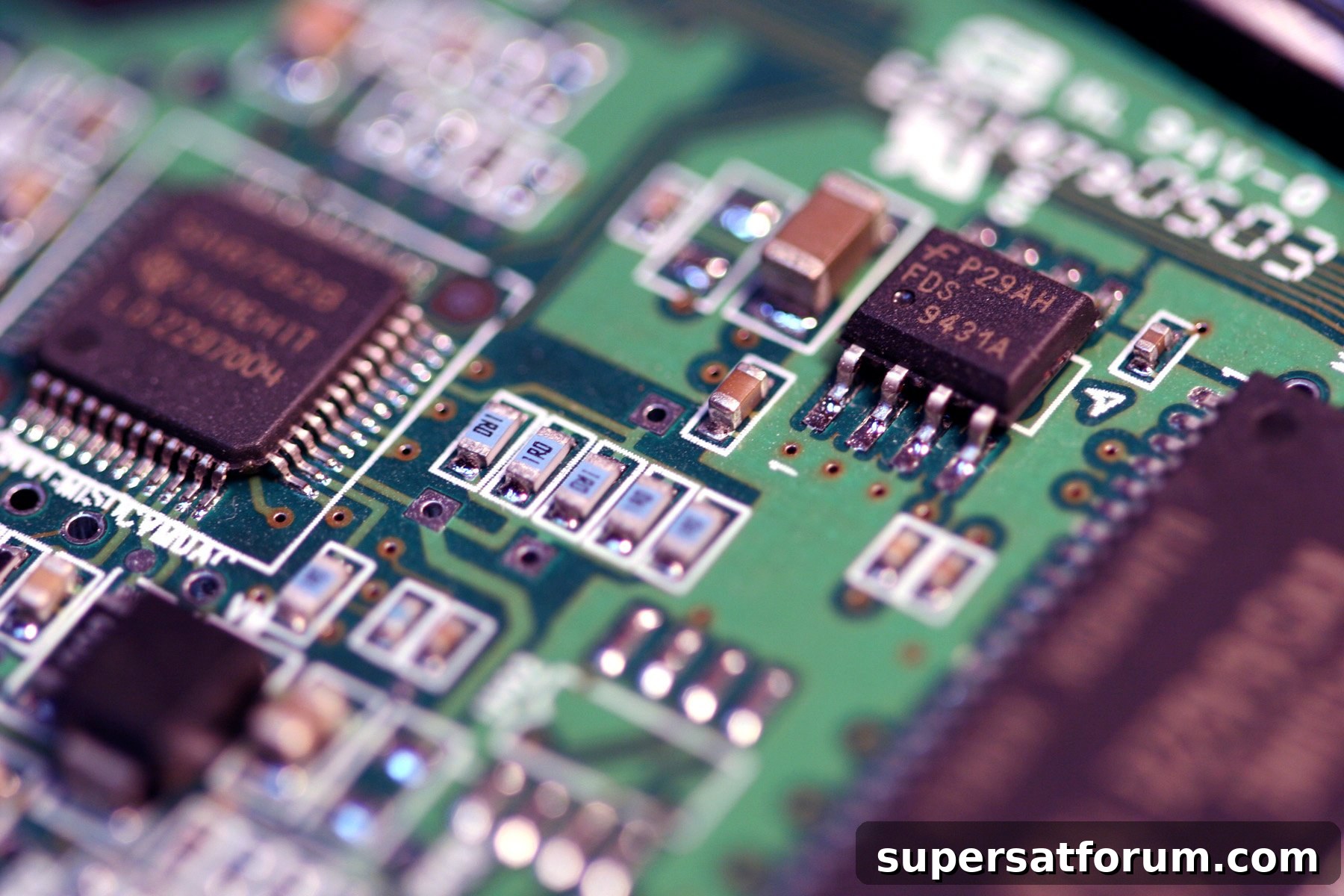
Information technology refers to the use of computers and their applications, encompassing not only computer systems and networks but also related technologies such as television and telephone systems. The term IT covers the development, deployment, management, and everyday use of these technologies across personal, educational, and professional contexts.
In today’s world, strong IT knowledge is a major factor in achieving success. Whether your goals are academic, career-focused, artistic, or personal, a solid foundation in information technology supports more efficient work, clearer communication, and better problem solving.
Expanding your IT skills can take many forms. It may involve learning the latest word processing, spreadsheet, and presentation tools that help you organize ideas and present information clearly for school and work. It can include mastering calculations for budgets and financial planning, using charting and table tools to analyze data quickly, or learning software for editing photos, audio, and video.
Information technology also includes creative and social applications: digital art and music programs, website design and blogging platforms, social networking tools, and collaborative apps that enable real-time interaction and shared projects. For many learners, online universities and continuing-education programs provide flexible paths to acquire these skills.
Economic Impact
Information technology is a cornerstone of modern economies. Computers, software, and the professionals who manage these systems enable businesses and institutions to operate efficiently and at scale. IT powers online banking, e-commerce, inventory management, logistics tracking, and many other essential services. Reliable computer networks and secure systems keep transactions flowing; without them, financial systems and supply chains could quickly falter.
Education
Academic programs increasingly rely on IT for instruction, assessment, and administration. Students across disciplines are expected to use computers to research, create and submit assignments, participate in online discussions, and access course materials. From healthcare to the humanities, institutions set clear standards for technology competency, and students who are comfortable with these tools have a clear advantage in learning and career preparation.
The Arts
Computers have transformed artistic practice as well as the business of art. Digital tools help artists create, edit, and present work in new ways. Photographers use advanced image-editing applications, designers use 3-D modeling and rendering software, and illustrators work in digital studios that simulate traditional media like oil, watercolor, and pastels. Beyond creation, IT supports marketing, distribution, and community-building—allowing artists to reach audiences and manage their careers more effectively.
Personal Relationships
Beyond professional and educational benefits, IT plays a central role in personal connection and community engagement. Communication technologies enable families, friends, and community members to stay in touch through messaging, photo and video sharing, and video calls. For many—especially older adults or those living far from loved ones—these tools are essential for maintaining social ties and accessing services. In some cases, technology becomes a vital lifeline for staying informed and connected.
Whether your aims are professional advancement, academic achievement, creative expression, or stronger personal connections, a practical understanding of information technology offers clear benefits. Building and updating IT skills opens opportunities, streamlines daily tasks, and empowers people to participate fully in a digital world.