A comprehensive Kantar Sifo survey of the Swedish population shows that an overwhelming majority — as many as 86 percent — are willing to contribute to total defence by lending personal technical equipment such as drones and surveillance devices. This demonstrates a strong readiness among citizens to take an active role in the nation’s defence, especially given rising tensions and perceived threats in the surrounding world. Tech company Nexer Group, which commissioned the survey, is now calling on the government and the Supreme Commander to acknowledge and harness this unique opportunity. A coordinated effort could strengthen Sweden’s total defence.
The Kantar Sifo survey, conducted on behalf of Nexer Group in light of the deteriorating global security situation and the war in Ukraine, highlights a significant resource that has so far been underused. The study finds broad public support for contributing to total defence: 86 percent say they would lend digital equipment to the armed forces if Sweden were in a wartime situation.
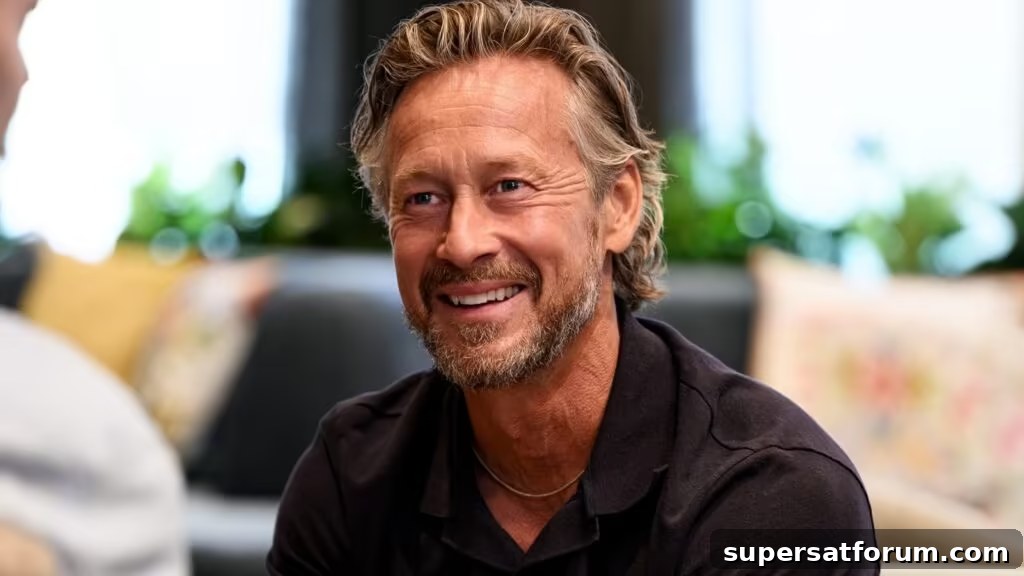
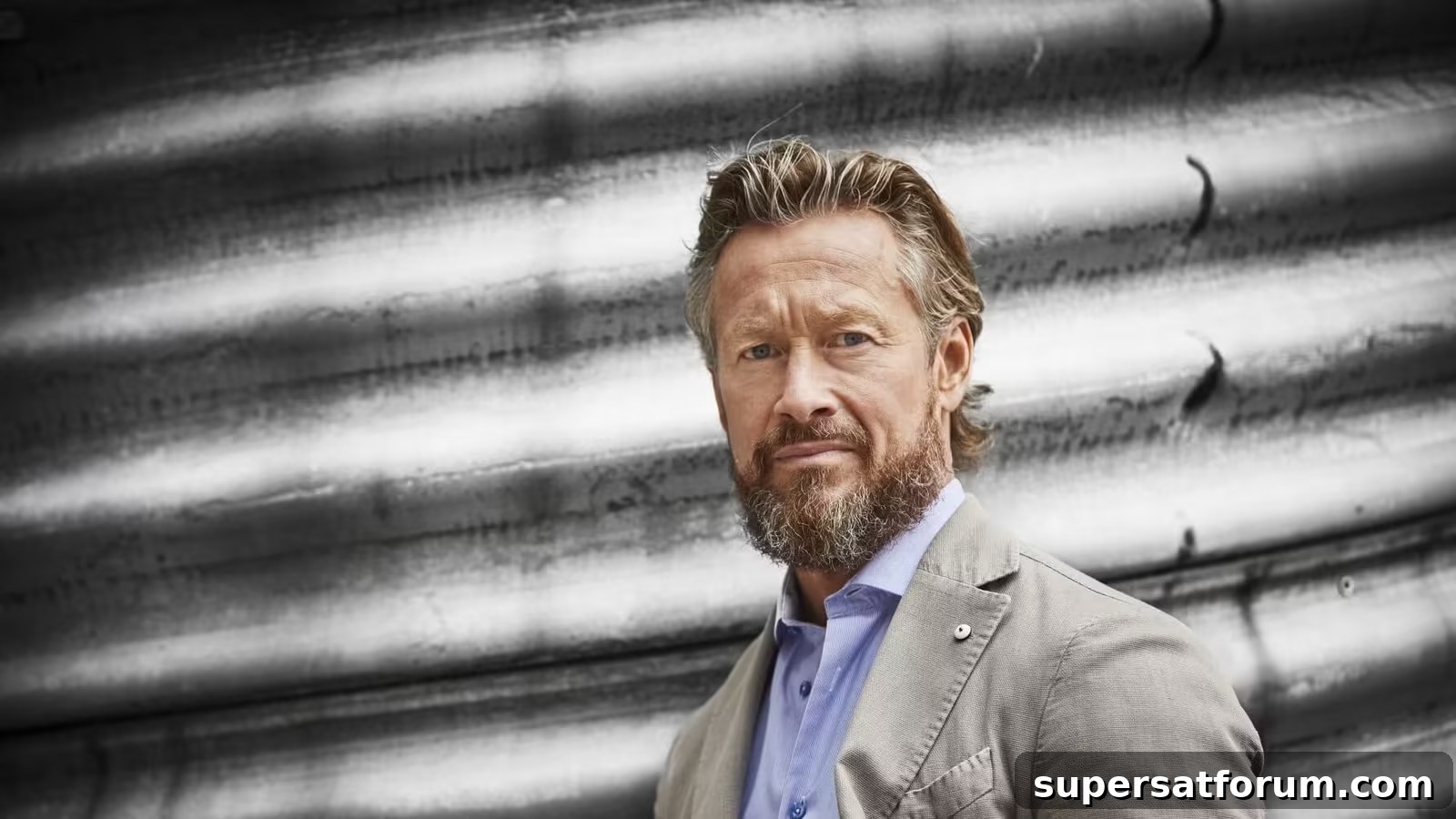
“The results of this survey are a clear sign of the Swedish people’s determination to stand united and be ready to defend our country. It is now up to our leaders to make use of this resource and turn the public’s willingness into practical action,” says Lars Kry, CEO of Nexer Group.
Citizens’ willingness to provide private technology could play a critical role in bolstering the Swedish Armed Forces’ capabilities, particularly in areas such as surveillance and information gathering.
Nexer therefore urges the government and the Supreme Commander to take note of this opportunity. By coordinating and organizing the use of privately owned technical equipment, Sweden could effectively strengthen its defence posture without necessarily requiring large investments in new hardware.
“An initiative like this would not only improve our defensive capabilities but also foster stronger social cohesion and deeper civic engagement in national security,” concludes Lars Kry.