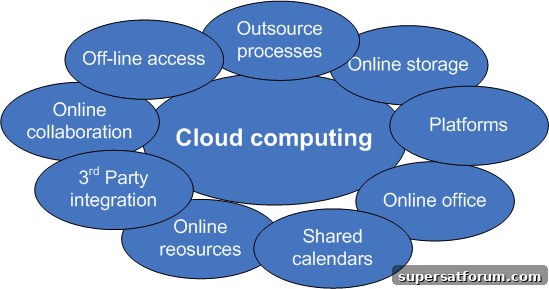
Many business owners hesitate to adopt cloud services, even though they often already use cloud-based tools without realizing it. The cloud itself is not a new invention—the internet’s structure is essentially a cloud. If you use web-based email like Gmail or Outlook, or platforms such as Skype, Vimeo, or YouTube, you are already relying on cloud concepts. Cloud storage is simply another form of sharing and accessing data over the internet, but recent advances—particularly encryption—have made it a secure place to store important company information. Cloud storage helps protect users from threats like viruses, malware, and spyware, and its growing security features have driven adoption across profitable businesses.
Beyond security and the general trend toward an online presence, here are the main reasons your business should be using cloud services today if it hasn’t already.
1. It Saves Money
Reducing costs is a primary business goal, and cloud services offer a clear path to saving money. Cloud storage eliminates the need for costly on-site hardware, ongoing maintenance, and many of the capital expenses associated with traditional IT infrastructure. Instead of investing heavily in servers, cooling, and physical space, companies can shift expenses to scalable, predictable operational costs.
2. Greater Storage Capacity
Cloud solutions offer flexible, often virtually unlimited storage capacity compared with physical hard drives and local servers. As your business grows, you can increase storage on demand without major investments or long lead times. This flexibility lets you adjust your storage footprint precisely to your needs, avoiding both underutilized hardware and sudden capacity shortages.
3. Simplicity and Ease of Use
Using cloud services is easier than many business owners expect. You don’t need extensive technical expertise to get started: most providers handle installation, configuration, and ongoing updates. Automated maintenance and patching reduce the IT burden on your team, letting employees focus on core business activities rather than system administration.
4. Seamless Data Sharing and Remote Access
Cloud storage enables employees to access files from anywhere with an internet connection and a web browser—no need to be on company premises or use a specific device. This makes collaboration across offices, remote teams, and branch locations fast and straightforward. Setting up new branches or expanding operations becomes simpler because cloud services replicate the original setup without complex physical infrastructure.
5. Access to Up-to-Date Software at Lower Cost
Leading software updates and new applications often appear first in cloud environments. By subscribing to cloud services, businesses gain timely access to the latest tools and improvements without large upfront licensing costs. Typically, you pay a predictable monthly or annual fee, which covers upgrades and support—helping you stay current while controlling expenses.
In short, cloud services provide a secure, cost-effective, and scalable foundation for modern businesses. They reduce capital expenditures, expand storage and access options, simplify IT management, and ensure you benefit from the latest software innovations. For companies looking to remain agile, collaborative, and competitive, moving to the cloud is a practical next step.